

“Spider prevention checklist” refers to a structured, step-by-step plan to keep spiders from entering, nesting, and webbing inside your home. It combines sealing entry points, cleaning routines, lighting tweaks, and targeted controls. For Oshawa homeowners, following a checklist reduces indoor webs, bite risks, and anxiety—while making professional treatments work longer.
By Bugman Plus • Last updated: 2026-07-07
Your 2026 Spider Prevention Checklist (Oshawa)
Use a spider prevention checklist to block entry points, remove food sources, and disrupt webbing. Prioritize sealing gaps, maintaining screens, adjusting exterior lighting, reducing clutter, and vacuuming webs. Pair DIY steps with professional service when activity is heavy. This balanced plan prevents re-infestation and keeps living spaces clear through each season.
Here’s how this complete guide helps you go from “webs everywhere” to a calm, clear home. We cover what a checklist is, why it matters in Oshawa, how prevention works, exact steps to follow, what tools to use, and when to call our team for guaranteed support.
Overview
- What a spider prevention checklist includes—and why it beats guesswork
- Step-by-step actions for entry sealing, cleaning, lighting, and monitoring
- Methods compared: DIY vs. hybrid vs. professional service
- Buying guide for caulk, screens, traps, bulbs, and PPE
- Local considerations for Oshawa homes and seasonal timing
What Is a Spider Prevention Checklist?
A spider prevention checklist is a repeatable, seasonal routine that blocks spider entry, removes webs and harborages, and limits attractants. It combines exclusion, sanitation, lighting choices, and targeted controls. The checklist makes prevention measurable, so you can track progress and sustain results across Oshawa’s changing seasons.
Instead of chasing webs room by room, a checklist turns prevention into a system. You evaluate the exterior for gaps, set a cleaning cadence, choose the right bulbs, and place monitors. In our experience with Oshawa homes, a consistent routine removes guesswork and cuts re-webbing cycles noticeably within a few weeks.
- Structure: Exterior inspection → interior inspection → actions → re-checks
- Cadence: Quick weekly touch-ups and a deeper monthly pass
- Outcome: Fewer webs indoors, calmer living spaces, and less need for reactive spraying
We often find homeowners get the best lift when they pair a checklist with a professional baseline treatment and then use the routine to lock in the gains between service visits.
Why Spider Prevention Matters in Oshawa
Spider prevention matters in Oshawa because seasonal temperature swings drive spiders to seek shelter and prey indoors. Small gaps around siding, windows, and utility lines become highways. A prevention routine stops that migration early, keeps webs outside, and reduces stress for families sensitive to bites or clutter.
We see homeowners do everything right inside yet miss one siding gap or torn screen—and that’s enough. In field visits, we frequently identify 3–5 entry points on a single side of a home, often at utility penetrations or under door thresholds. Closing those early prevents persistent re-webbing around basements and utility rooms.
- Seasonality: Late summer and fall push outdoor spiders toward warm interiors.
- Attractants: Night lighting draws flying insects, which draw spiders.
- Complexity: Web removal without sealing gaps usually resets the problem within days.
For families managing multiple pests (ants, wasps, rodents), a prevention checklist unifies the approach and reduces surprises. It also strengthens any warranty-backed interior treatment by keeping new spiders from replacing the ones removed.
How Spider Prevention Works (IPM Basics)
Spider prevention works by using integrated pest management (IPM): identify pressure, block entry, remove harborages, and apply targeted controls only where needed. The cycle is inspect → fix → monitor → refine. Over time, this reduces re-webbing and keeps populations below your comfort threshold.
IPM starts with inspection. We map webs, egg sacs, moisture sites, and light sources. Next, we prioritize mechanical fixes like caulk and screens, then sanitation (vacuuming webs) and habitat tweaks (bulb color, clutter). Finally, we use targeted controls (sticky monitors, precise spot treatments) to mop up stragglers.
- Entry blocking: Weatherstripping, door sweeps, and silicone caulk around gaps under 1/4 inch
- Harborage reduction: Decluttering corners, storage bins with tight lids, dry basements
- Lighting choices: Warm/yellow exterior bulbs to attract fewer flying insects at night
- Monitoring: Low-profile sticky traps near baseboards and utility rooms
In our experience, homes that run a tight IPM loop—weekly web removal plus quarterly exterior checks—maintain clearer interiors and need fewer reactive services over time.
Step-by-Step Spider Prevention Checklist
Follow this spider prevention checklist: inspect, seal, screen, adjust lighting, reduce clutter, vacuum webs, dry damp areas, place monitors, and review monthly. Tackle exterior gaps first, then inside hotspots. Pair the routine with professional service for faster reset and longer-lasting results.
Exterior inspection and fixes
- Circle the home at dusk or early morning and note webs under eaves, soffits, vents, and light fixtures.
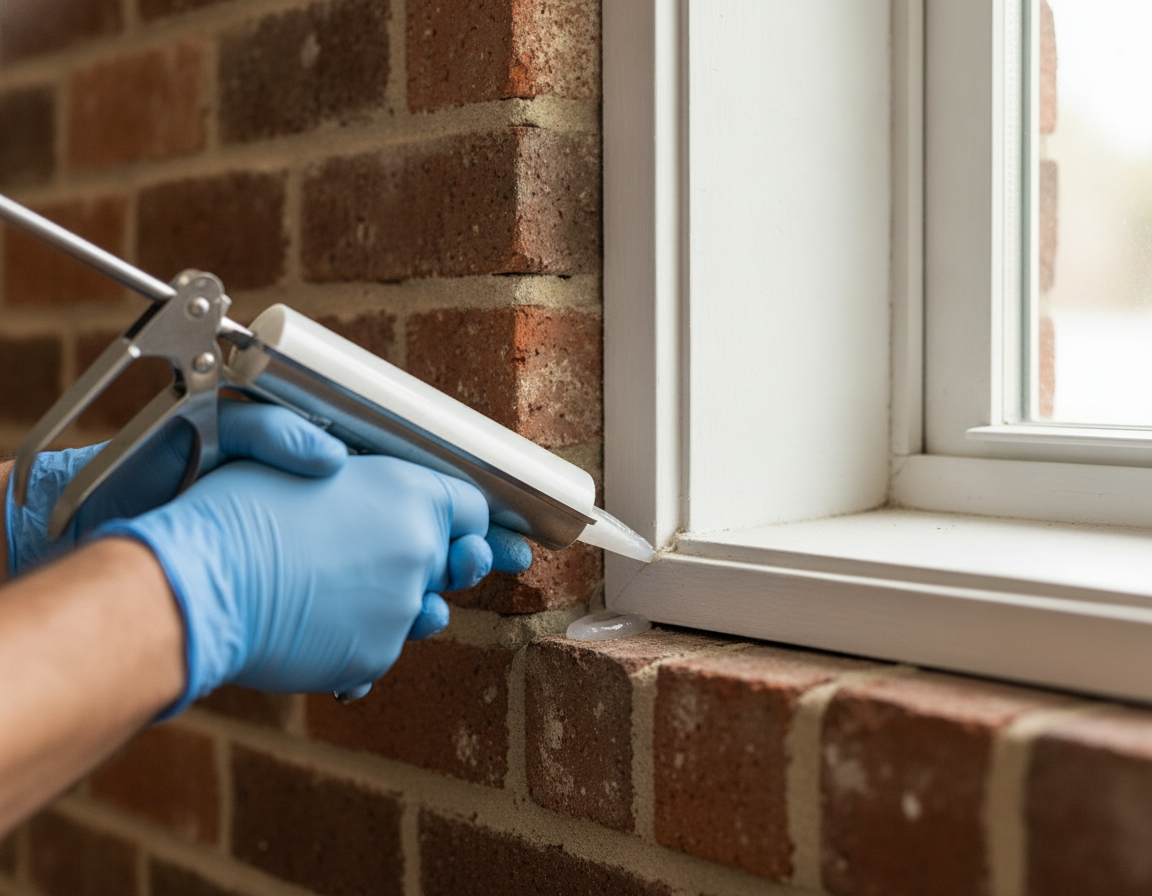
- Seal gaps around windows, doors, hose bibs, conduits, and siding joints with exterior-grade silicone or polyurethane caulk.
- Install or repair door sweeps so bristles or fins make full, even contact with thresholds.
- Maintain screens on windows and vents (fine mesh helps keep flying insects out, too).
- Swap bulbs to warm/yellow LEDs and angle fixtures downward to reduce insect draw.
Precision sealing stops most indoor activity before it starts. We frequently find the worst offenders at foundation-sill gaps, utility penetrations, and aging weatherstripping—areas that take minutes to fix and pay off quickly in reduced webbing.
Interior hotspots and routines
- Vacuum webs and egg sacs weekly using a hose attachment; immediately empty outdoors.
- Declutter corners, basements, and utility rooms; use sealed totes with lids that snap tight.
- Dry damp areas with ventilation and dehumidifiers; keep relative humidity in a comfortable range.
- Place sticky monitors along baseboards and behind appliances; check weekly for activity trends.
- Rotate storage off the floor; leave a 2–3 inch gap along baseboards for easy inspection.
Most interior webs we remove cluster around undisturbed corners and light-rich areas. A 10–15 minute weekly sweep prevents buildup and reveals new entry patterns fast, especially after weather shifts.
Lighting, landscaping, and perimeter
- Trim vegetation so branches and shrubs don’t touch siding or eaves.
- Relocate bright fixtures away from main doors, or use shields to limit glow at entrances.
- Clear debris around foundations and window wells; store firewood off the ground.
Lighting and landscaping choices influence where insects—and therefore spiders—want to be at night. Small tweaks near entrances typically cut web rebuilding around doorframes.
When to call a professional
- Recurring webs indoors within days of cleaning despite sealing and monitoring.
- High-sensitivity households where anxiety or medical concerns make DIY insufficient.
- Large exterior pressure visible under soffits and porch lights season after season.
If you’re seeing constant indoor webs even after the checklist, schedule a warranty-backed reset. Our team pairs targeted interior treatment with exterior recommendations to stabilize activity, then we help you maintain with a simple routine.
For guaranteed support in Durham Region, explore our Spider/Wasp Control service and request a fast quote today.
Spider Prevention Methods and Approaches Compared
Choose between DIY, hybrid, and professional approaches. DIY suits light, seasonal activity. Hybrid pairs homeowner routines with periodic service for steady control. Professional treatment is best for persistent indoor webs, sensitive households, or heavy exterior pressure. Pick the method that matches your time, tolerance, and results goal.
| Approach | What it includes | Effectiveness | Risk/Safety | Time investment | Best for |
|---|---|---|---|---|---|
| DIY | Sealing, screens, web vacuuming, monitors, lighting changes | Good for light pressure | Low if label directions are followed | 1–2 hours monthly | Handy homeowners with mild activity |
| Hybrid (DIY + Pro) | DIY checklist plus periodic professional tune-ups | Very good, sustained | Low; pro-grade precision, clear guidance | 30–60 mins/mo + brief service visits | Most households seeking balance |
| Professional | Inspection, targeted interior treatment, exterior recommendations | High, fastest reset | Low under a structured program | Minimal homeowner time | Persistent webs or high-sensitivity homes |
We often recommend a hybrid plan to lock in wins between services. It maximizes results while minimizing time and stress.
Best Practices and Common Mistakes
Best practices: seal first, then clean and monitor; adjust lighting to reduce insect draw; and keep a simple monthly review. Common mistakes: spraying without sealing, skipping screens, ignoring utility penetrations, and letting clutter rebuild. A steady routine outperforms one-time blitzes.
Best practices we teach homeowners
- Lead with exclusion—sealing and sweeps deliver the biggest, fastest lift.
- Vacuum, don’t smear—removing webbing and egg sacs breaks the cycle.
- Use monitors like sensors—they show where to focus, not just catch stragglers.
- Keep a simple log—note hotspots and re-check after weather shifts.
Frequent mistakes we see
- Only spraying visible webs without sealing; webs return in days.
- Neglecting thresholds and garage doors; gaps here are common highways.
- Leaving bright bulbs at doors that pull insects—and spiders—right to entries.
- Skipping basements and utility rooms during cleaning; these are frequent hubs.
Here’s the thing: consistent small actions beat occasional big ones. A 10-minute web sweep each week plus a monthly exterior pass produces a calmer home than any single weekend of work.
Tools, Materials, and Quick Buying Guide
Stock a prevention kit: exterior-grade caulk, a quality caulk gun, weatherstripping, door sweeps, fine-mesh screens, warm LED bulbs, sticky monitors, PPE, and a hose vacuum. Choose durable, labeled materials that fit your home’s siding, window frames, and gaps.
Checklist: build your kit
- Exterior-grade silicone or polyurethane caulk for siding and trim gaps
- Caulk gun with smooth rod and drip control
- Adhesive weatherstripping and door sweeps
- Window and vent screens with fine mesh
- Warm/yellow LED bulbs for exterior fixtures
- Sticky monitors (low-profile) for baseboards and utility rooms
- Shop vacuum with hose and extendable pole duster
- PPE: gloves, safety glasses, and a basic particulate mask
Mini buying guide tips
- Pick the right caulk: silicone adheres well to nonporous trim; polyurethane shines on wider siding joints.
- Weatherstripping fit: close the door on a test strip; look for even compression without bowing.
- LED bulb choice: warm color temperatures reduce insect draw at night compared with cool whites.
- Monitor placement: use discreet traps that lie flat; avoid placing where pets or kids touch.

When using any cleaners during prep, practice safe handling. This homeowner-focused cleaning hazards guide offers practical reminders on not mixing chemicals and ventilating rooms—habits that pair well with prevention work.
Real-World Examples from Oshawa Homes
Three brief examples show how a checklist plays out: sealing utility penetrations stops repeat webs in a basement; swapping bulbs and trimming shrubs calms porches; and pairing a reset treatment with weekly cleaning stabilizes a high-sensitivity home. Simple steps compound fast.
Basement webs that kept returning
An Oshawa homeowner was vacuuming webs weekly in a utility room. We found two cable penetrations and a 1/4-inch gap along the sill plate. After sealing and adding a door sweep, webbing dropped off within two weeks. Sticky monitors stayed clear through a weather change.
Porch lights pulling insects—and spiders
A family with frequent evening visitors noticed heavy webs around the front door. We recommended warm LEDs, down-angled fixtures, and shrub trimming. Within days, flying insect pressure at the porch eased, and the entrance stayed clear between routine cleanings.
High-sensitivity household
For a family concerned about bites, we performed a focused interior reset, then set up a weekly 10-minute checklist: web vacuuming, corner checks, and dehumidifier monitoring. The home stabilized, and anxiety eased as monitors stayed empty for several consecutive weeks.
Local considerations for Oshawa
- Evening events near Whitby Mall bring light-attracted insects. If you host after dusk, keep porch lights warm-toned and shielded to reduce spider draw.
- Spring to early fall is peak exterior pressure. Set monthly exterior checks during those months to stay ahead of webs.
- When we service nearby parkside streets (e.g., around Prince of Wales Park), we plan for extra vegetation trimming and soffit inspection to offset outdoor habitat.
For Oshawa homeowners who prefer a guided plan, our team provides clear instructions during each visit—and backs interior programs with a 3-month warranty. Learn more about our approach on the About Bugman Plus page or browse our full list of services.
Frequently Asked Questions
These quick answers address the most common spider prevention questions from Oshawa homeowners. Use them to fine-tune your routine, decide when to call a pro, and keep results steady across seasons without overusing products indoors.
How often should I run the spider prevention checklist?
Do a quick pass weekly—vacuum webs, check monitors, and scan corners. Add a deeper monthly exterior check to seal gaps, refresh weatherstripping, and assess lighting. This cadence keeps pressure low and catches small problems before they reset indoors.
Will changing my exterior bulbs actually help?
Yes. Warm/yellow LEDs attract fewer flying insects than bright, cool-white bulbs at night. Fewer insects near doors mean fewer spiders building webs at entries. Angle fixtures down and consider shields so light doesn’t spill across doorframes.
Do I need professional treatment if I already vacuum and seal?
Call a pro if webs reappear indoors within days of cleaning, or if your household has health or anxiety concerns. A targeted reset plus your routine usually stabilizes activity quickly. We back interior programs with a clear warranty for peace of mind.
Are sticky traps safe for pets and kids?
Place low-profile monitors where pets and children can’t reach—behind furniture, along protected baseboards, or in utility rooms. Check weekly. If anything non-target gets stuck, use cooking oil to loosen adhesive and remove safely.
What if I also have ants or wasps?
The same IPM mindset helps: seal, clean, and monitor. We handle spiders and wasps together under our service umbrella and can advise on ants too. We discuss ant treatment options on our blog, including what drives ant control decisions.
Conclusion and Next Steps
A spider prevention checklist turns scattered efforts into a simple, repeatable plan. Seal first, clean and monitor weekly, adjust lighting, and schedule a professional reset when activity persists. This routine keeps webs out of living spaces and peace of mind in.
Key takeaways
- Prevention works best as a repeatable routine—not a one-time push.
- Sealing, screens, and lighting tweaks cut most indoor webbing fast.
- Monitors are your early-warning sensors for new pressure.
- Hybrid (DIY + professional) plans deliver steady, low-stress results.
Need backup? Explore our Spider/Wasp Control service, get in touch with questions, or book a visit. Learn how we support homeowners, our warranty, and our approach across common pests—see the Bugman Plus home page and About.
For broader home routines that dovetail with pest prevention, this Ontario-focused home insurance checklist outlines seasonal maintenance tasks worth scheduling. And if you’re fine-tuning ventilation and comfort while sealing drafts, this practical HVAC note on improving home air quality pairs neatly with IPM habits.


