
Rodent control cost is the total effort to inspect, exclude, and monitor mice and rats so they stop damaging your home. In Oshawa, the biggest drivers are how widespread the activity is, how many entry points exist, and how consistent follow-up is. Focus on sealing, sanitation, and monitoring for the best long-term value.
By Bugman Plus • Last updated: 2026-07-06
Above-Fold Section
Rodent control costs rise with infestation scope, structural gaps, and missed follow-ups. The most effective, efficient plans start with inspection, prioritize exclusion (sealing), and lock in scheduled monitoring. This approach stops re-entry, reduces callbacks, and protects wiring, insulation, and stored goods.
Here’s the thing: chasing rodents without sealing their entry points is like bailing water from a boat with a hole in it. We help Oshawa homeowners “win the war on pests” by pairing precise exclusion with targeted reduction and warranty-backed follow-ups—so progress sticks.
Quick Summary
Rodent control cost reflects four levers: severity, access complexity, sanitation standards, and follow-up length. You can influence each lever. Prepare access, approve sealing, store food tightly, and keep follow-up appointments to shorten timelines and hold results.
- Exclusion first: seal gaps, screen vents, and harden doors.
- Sanitation matters: remove food, water, and clutter that attract activity.
- Monitoring finishes the job: verify closure and adjust placements.
- Warranty-backed service provides accountability and continuity.
What Is Rodent Control Cost?
Rodent control cost is the end-to-end investment required to assess, block, reduce, and monitor rodent activity. It covers inspection, exclusion, targeted devices, sanitation guidance, and scheduled follow-ups. Scope, access, and warranty length shape the overall effort.
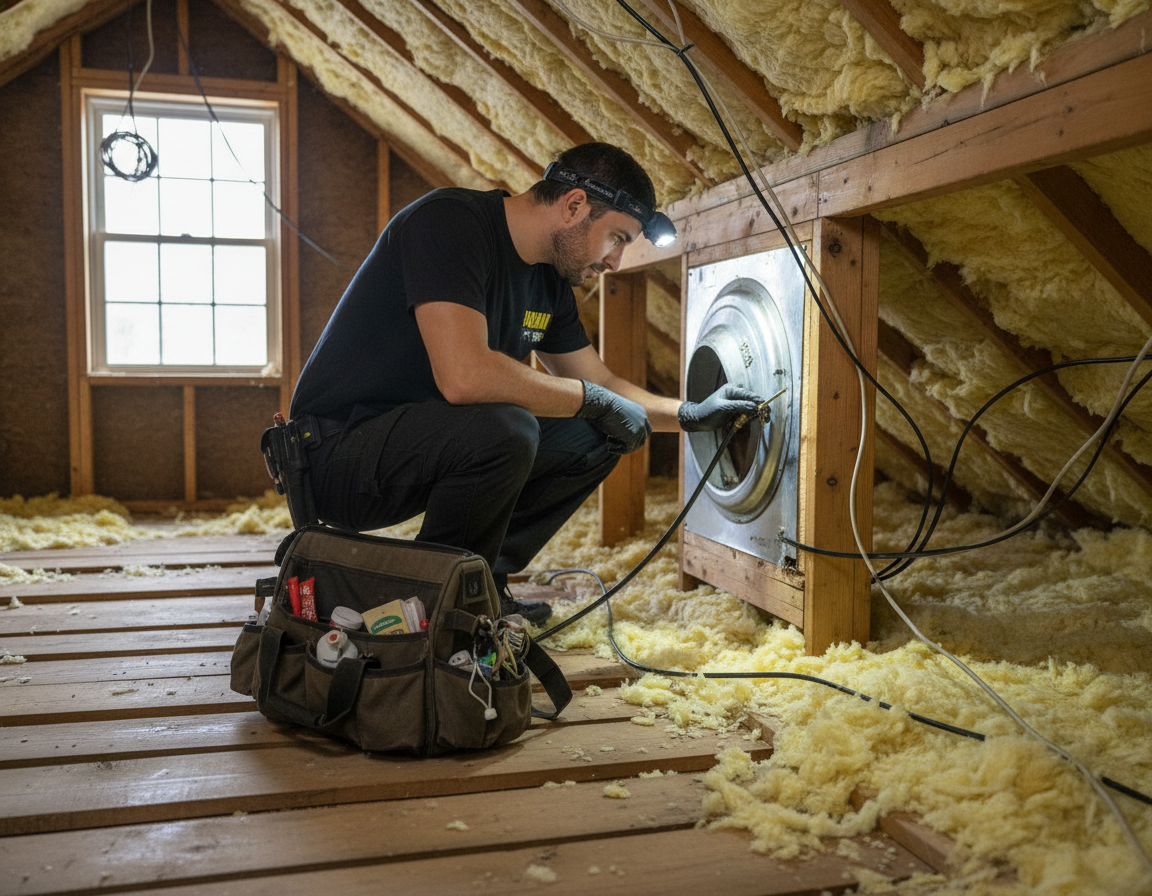
In our experience serving Oshawa homes, “cost” isn’t just one visit. It’s the plan to restore and maintain a rodent-free status. That plan usually includes a detailed inspection, sealing utility penetrations, installing tamper-resistant stations or traps as needed, and follow-ups to confirm closure. Homes with attic or crawlspace activity may need extra time for safe access and sealing.
Bugman Plus backs interior treatment programs with a 3-month warranty. That structure keeps everyone aligned on outcomes and makes the total effort more predictable—especially when homeowners handle simple prep like clearing access and tightening storage.
Why Rodent Control Cost Matters
Understanding rodent control cost lets you prioritize the work that prevents repeat problems. Exclusion and sanitation protect wiring, insulation, and food storage, while monitoring confirms closure. Planning around prevention makes results durable and reduces disruption.
Rodents contaminate surfaces and chew through materials. They’re small enough to exploit tiny gaps and reproduce quickly, which is why a single missed entry point can restart activity. When we frame cost around sealing and verification—not just reduction—the number of visits drops and the results last longer.
For Oshawa homeowners comparing options, the most important question isn’t “How fast can you place traps?” It’s “How fast can you find and close the highway rodents are using?” That’s where value lives.
How Rodent Control Works (Without Numbers)
Effective rodent control follows four steps: assess, exclude, reduce, and monitor. Start with a thorough inspection, seal every active entry point, apply targeted devices by evidence, and schedule follow-ups. This sequence shortens timelines and prevents relapses.
Here’s a simple process table you can use to evaluate any plan.
| Step | What Happens | What Can Extend Timeline | Homeowner’s Role |
|---|---|---|---|
| Assessment | Interior/exterior inspection, pathway tracing, droppings mapping | Cluttered storage, no attic/crawlspace access | Clear access; note sightings, sounds, and times |
| Exclusion | Seal gaps, screen vents, secure utility penetrations | Multiple concealed voids, damaged structure | Approve minor repairs; maintain door sweeps |
| Reduction | Targeted stations/traps where activity is verified | Loose food storage, nearby harborages | Seal food; declutter; fix leaks |
| Monitoring | Follow-up visits, adjustments, proof of closure | New entry points; skipped sanitation | Report activity; keep areas tidy |
We sequence work this way on purpose. When exclusion comes first, stations and traps work faster and monitoring confirms success instead of revealing new problems. That’s how you keep rodent control cost predictable and results steady.
Types/Methods You’ll See in a Professional Plan
A strong rodent plan blends exclusion, trapping, targeted baiting, and sanitation guidance. Exclusion is non-negotiable; devices verify results. When food, water, and shelter are limited alongside sealing, indoor safety and long-term control improve.
Exclusion-first hardening
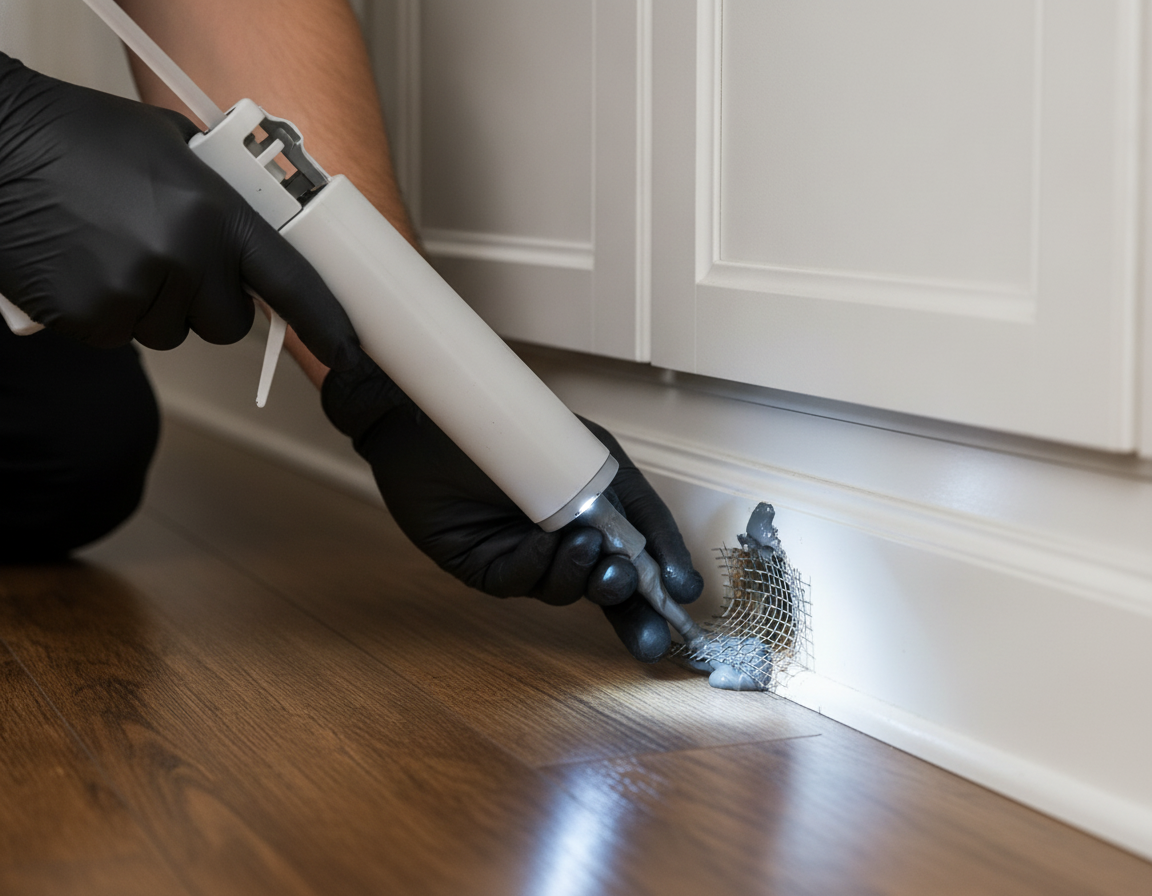
- Sealants and mesh: Exterior-rated sealant and stainless steel mesh close utility penetrations and hairline gaps.
- Vent and weep protection: Screens cover vents while maintaining airflow; weep holes are protected without blocking drainage.
- Door sweeps and thresholds: Tighten door bottoms and garage thresholds to remove easy access.
Evidence-based reduction
- Traps where activity occurs: Snap traps placed along runways, not randomly.
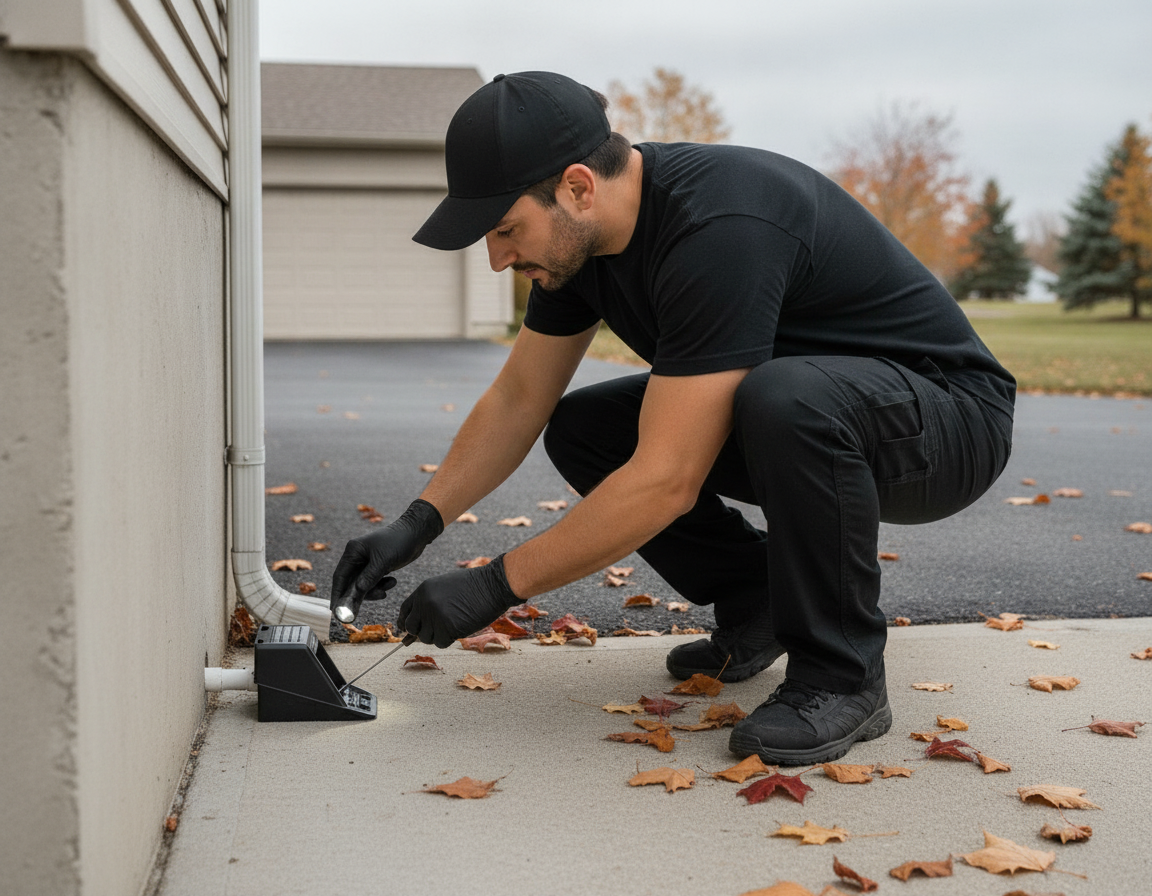
- Tamper-resistant stations: Placed outdoors and in protected spots indoors to keep kids and pets safe.
- Right device, right place: Device type and placement follow droppings, rub marks, and structural cues.
Sanitation and storage
- Food control: Seal dry goods; wipe crumbs; cover pet food; take out trash regularly.
- Moisture management: Fix drips and condensation; dry areas deter activity and many other pests.
- Declutter: Reduce cardboard stacks and dense storage against baseboards.
In our Oshawa projects, exclusion plus simple storage changes consistently reduces indoor sightings between visits. That’s the compounding effect you want.
Best Practices That Keep Projects Efficient
The fastest results come from clear access, thorough exclusion, and consistent monitoring. Document entry points, approve sealing first, and align on simple sanitation routines. This coordination minimizes callbacks and holds a rodent-free state.
What homeowners can prep
- Move items 2–3 feet away from baseboards in kitchens, utility rooms, and garages.
- Empty under-sink cabinets before the first visit so plumbing penetrations are visible.
- Place cereals, rice, and pet food in sealed containers before reduction begins.
What technicians prioritize
- Exterior-to-interior tracing to find the primary highway first.
- Sealing utility penetrations, vent points, and door gaps before heavy device deployment.
- Clear documentation: photos of entry points and a simple graph of placements.
How to avoid backsliding
- Keep lids on trash and compost; wipe counters nightly.
- Monitor garages and sheds, especially near stored bird seed or pet food.
- After storms or freeze–thaw cycles, re-check exterior gaps.
We’ve found that when families follow these basics, follow-up visits are shorter and fewer—and the home stays quiet longer.
Tools/Resources That Influence Effort
Professional-grade sealants, stainless mesh, door sweeps, stations, and evidence-based placement reduce trial-and-error. When paired with a warranty-backed schedule, these tools shorten time-to-control and keep results steady.
Exclusion materials
- Stainless or galvanized mesh for durable gnaw resistance.
- Exterior-rated sealants that remain flexible through seasons.
- Proper vent screens sized to maintain airflow and security.
Devices and safety
- Tamper-resistant stations outdoors and in protected indoor spots.
- Snap traps where runways and rub marks are confirmed.
- Placement logs that verify adjustments between visits.
Inspection technology
- High-lumen flashlights and inspection mirrors for tight voids.
- Moisture and temperature cues to trace conducive conditions.
- Photo documentation for homeowner transparency.
These tools aren’t about overkill—they’re about precision. The right material in the right place is what breaks the cycle.
Key Cost Drivers (No Numbers, Just What Matters)
Four variables shape rodent control cost: scope (rooms and floors), access complexity, sanitation level, and follow-up length. Each adds time and materials. Plans centered on exclusion and routine monitoring stay predictable and deliver longer-lasting protection.
Scope of activity
- Single room vs. whole home: A contained kitchen runway resolves faster than multi-floor movement.
- Attached structures: Garages, sheds, and additions can hide secondary entry points.
- Shared walls: Townhomes and duplexes may require extra monitoring along party walls.
Access complexity
- Attics/crawlspaces: Tight or blocked access extends inspection and sealing.
- Finished basements: Concealed voids require strategic tracing.
- Aging materials: Weathered sills and utility penetrations create more micro-gaps.
Sanitation and surroundings
- Food availability: Open bags, crumbs, and uncovered pet food maintain activity.
- Clutter density: Cardboard stacks and wall-to-wall storage shelter movement.
- Moisture sources: Drips and condensation support rodents and other pests.
Follow-up length
- Neighborhood pressure: Homes near green space or busy corridors benefit from extended monitoring.
- Seasonal shifts: Cold snaps and storms test seals and thresholds.
- Home improvements: New renovations can open fresh penetrations—recheck afterward.
When you understand these levers, you can control them. That’s how you keep rodent control cost aligned with real progress.
Case Studies: Oshawa Homes Weigh Their Options
Real Oshawa homes show that exclusion plus scheduled monitoring outperforms one-off treatments. When access is prepped and sanitation is steady, visits decrease and results hold—even near parks, busy corridors, and older foundations.
Detached home off a busy corridor: Activity in the kitchen and garage traced to a utility gap behind the water heater. We sealed with mesh and exterior-grade sealant and installed stations in the garage. Follow-ups confirmed no new droppings, and the homeowner tightened door sweeps to prevent relapses.
Townhome backing onto green space: Noises in the attic and pantry droppings. Vent screening, door sweep replacement, and targeted traps reduced movement. With dry goods in sealed containers and a quick leak repair, monitoring stayed quiet through subsequent checks.
Bungalow with historic features: Multiple hairline gaps along the foundation and sill. A sealing-first plan with limited device use stabilized the home. We documented closure points with photos so future repairs remain straightforward.
When to Call a Pro vs. DIY
DIY trapping can reduce visible activity, but professional exclusion and monitoring close the loop. Call a pro when you suspect multiple entry points, hear attic or wall movement, or see repeat droppings after DIY attempts—those signs point to hidden pathways.
| Scenario | DIY Is Reasonable | Professional Is Better |
|---|---|---|
| Single kitchen runway | Limited traps and food storage changes | Seal utility penetrations; verify no secondary points |
| Attic activity | Basic visual checks only | Safe access; vent screening; droppings mapping |
| Repeat sightings after DIY | More traps aren’t solving it | Full exclusion and structured monitoring |
If you want help evaluating next steps, our Get a Quote form makes it easy to share details and book a visit.
Homeowner Checklists and Templates
Use simple checklists to keep momentum: prep access, store food tightly, report sightings, and confirm seals after weather events. Consistency between visits is what keeps rodent control cost aligned with results.
48-hour prep checklist
- Clear 2–3 feet along baseboards in kitchens, utility rooms, and garages.
- Empty under-sink cabinets; move heavy appliances a few inches if safe.
- Seal dry goods and pet food; wipe counters and sweep floors nightly.
Between-visit monitoring
- Note any new droppings, noises, or gnawing.
- Check door sweeps and thresholds for light leaks.
- Inspect after storms or freeze–thaw cycles for fresh gaps.
Sanitation rhythm
- Keep lids tight on trash and compost.
- Store bird seed and pet food off the floor.
- Fix minor drips to remove water sources.
Soft CTA: Prefer a guided plan? Visit our Services page or Contact us to schedule.
At a Glance: What To Remember
Rodent control cost aligns with the thoroughness of inspection, exclusion, and monitoring. Prepare access, approve sealing, and follow sanitation guidance. Warranty-backed programs provide structure and accountability that reactive, one-off service cannot.
- Exclusion prevents re-entry; reduction alone can’t hold the line.
- Clear access and tidy storage shrink time-to-control.
- Monitoring catches re-entry early and avoids resets.
- Documentation and photos keep future repairs simple.
Local considerations for Oshawa
- Near Prince of Wales Park? Expect seasonal movement from green space—extra attention to vent screens helps.
- Fall and early winter bump activity as temperatures drop; schedule exclusion checks before the first cold snap.
- Homes off major corridors like Dundas St. @ Thickson Rd. can see steady pressure—monitor garage and utility penetrations.
Frequently Asked Questions
Homeowners ask how long control takes, what they can prep, and whether DIY can replace exclusion. The short answer: prep speeds visits, exclusion is essential, and DIY often misses concealed entry points that pros seal for lasting results.
How long does professional rodent control usually take?
Most homes see a meaningful drop in activity within the first visit after exclusion and targeted reduction start. Follow-ups verify closure and adjust placements. Attic or crawlspace work may add time, but steady sanitation and access prep keep things moving.
Do I need to leave the house during service?
Not usually. Much of the work involves inspection and sealing. When devices are placed, they’re set where kids and pets can’t access them. Your technician will explain what’s happening and confirm any brief room access limits, if needed.
Is DIY trapping enough without exclusion?
DIY trapping can reduce visible activity, but it rarely seals micro-gaps or protects utility penetrations. Without exclusion, new rodents can replace the old. A professional plan prioritizes sealing, which makes devices more effective and results more durable.
What should I do to prepare before the first visit?
Clear access in kitchens, utility rooms, and garages, move stored items off baseboards, and place dry goods in sealed containers. Note any sounds or sightings. This preparation helps the inspection move faster and makes exclusion work more precise.
Conclusion and Next Steps
Focus on inspection, exclusion, sanitation, and monitoring, and rodent control becomes predictable and durable. Choose a local provider with a warranty-backed plan and commit to simple prep steps—you’ll shorten the timeline and protect your home year-round.
Bugman Plus is Oshawa-based and backs interior treatment programs with a 3-month warranty. Learn more About our approach, browse Services, or Get a Quote to start your plan today.
For general home maintenance context and planning ideas beyond pest work, you may find these homeowner resources helpful: seasonal system checks, renovation planning, and safety-first maintenance reminders are all part of protecting a home over time. See an example of a seasonal home system guide, a note on planning renovations thoughtfully, and an industry listing that shows how large franchises publish general tips.


