
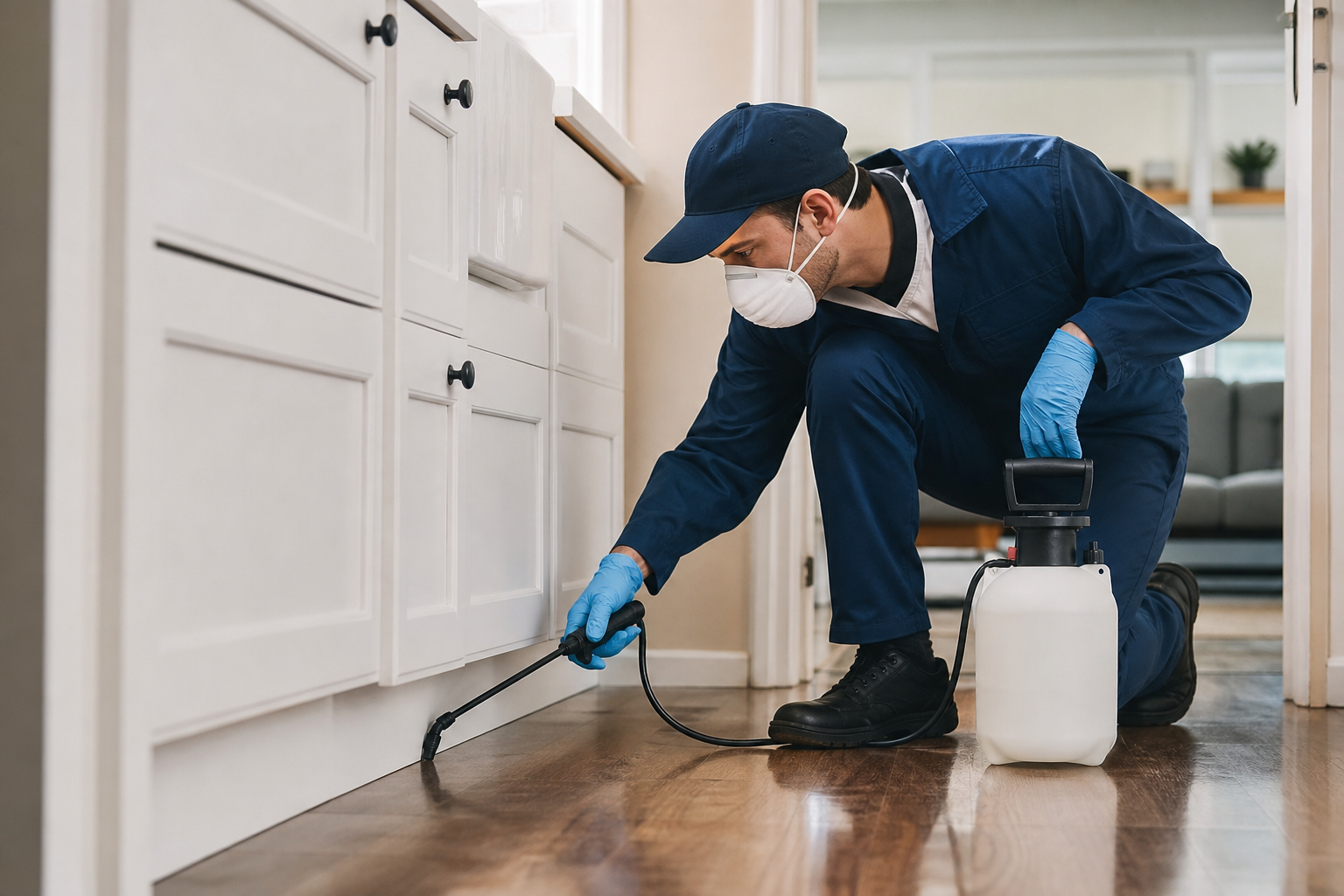
If you are weighing interior pest treatment programs for bed bugs, cockroaches, ants, rodents, spiders, or wasps, this checklist walks you through inspection, treatment planning, safety limits, and provider selection so you can decide with confidence. The process below follows integrated pest management principles and points you to the regulatory guidance that shapes safe indoor pesticide use.
What an interior pest treatment program is and what it includes
An interior pest treatment program targets pests inside a home using a planned sequence of actions, not a single reactive visit. Typical components include a documented inspection, a written treatment plan, targeted product or non-chemical applications, monitoring, follow-up visits, and recordkeeping. Programs may use one or more tools such as targeted liquid applications, baits, dusts, heat treatments for bed bugs, traps, or exclusion work.
Expect clear distinctions between interior-only programs, combined interior and exterior programs, and emergency reactive visits. Interior-only programs focus on the structure and living spaces, and they often include a monitoring schedule. Note that indoor product uses and the scope of an application are governed by product labels and federal guidance, so providers must follow label limits and, where needed, document the rationale for any non-standard application areas as described by the Pest Management Regulatory Agency (PMRA) in Canada Structural pest control products: label updates.
For programs that rely on pesticide applications, provincial guidance recommends integrating treatments into a documented, logical program rather than relying on ad hoc spraying Developing a Treatment Plan for Pesticide Use Permit Applications. That guidance explains how integrated pest management, or IPM, shapes safe, effective programs.
Step 1: inspect and confirm the infestation before committing to a program
What to check yourself
- Bed bugs: rust-coloured spots on mattress seams, live bugs or shed skins near mattress tags, bites clustered on exposed skin.
- Cockroaches: dark droppings in cabinets, grease marks, egg casings, sightings at night.
- Ants: trails to food sources, small piles of soil near foundations, repeated indoor sightings.
- Rodents: droppings in drawers and cupboards, gnaw marks, chewed packaging, nests of shredded material.
- Wasps and spiders: visible nests in eaves or wall voids, webs in corners, or repeated indoor sightings.
Document findings and know when to pause
Collect photos and note locations and times of sightings. If you find evidence that suggests a widespread or hidden infestation, pause before accepting a verbal quote and request a written scope. The Canadian Conservation Institute provides practical inspection procedures and checklists that can help you collect useful evidence for the technician Detecting Infestations.
Step 2: define a treatment plan and check label and regulatory limits
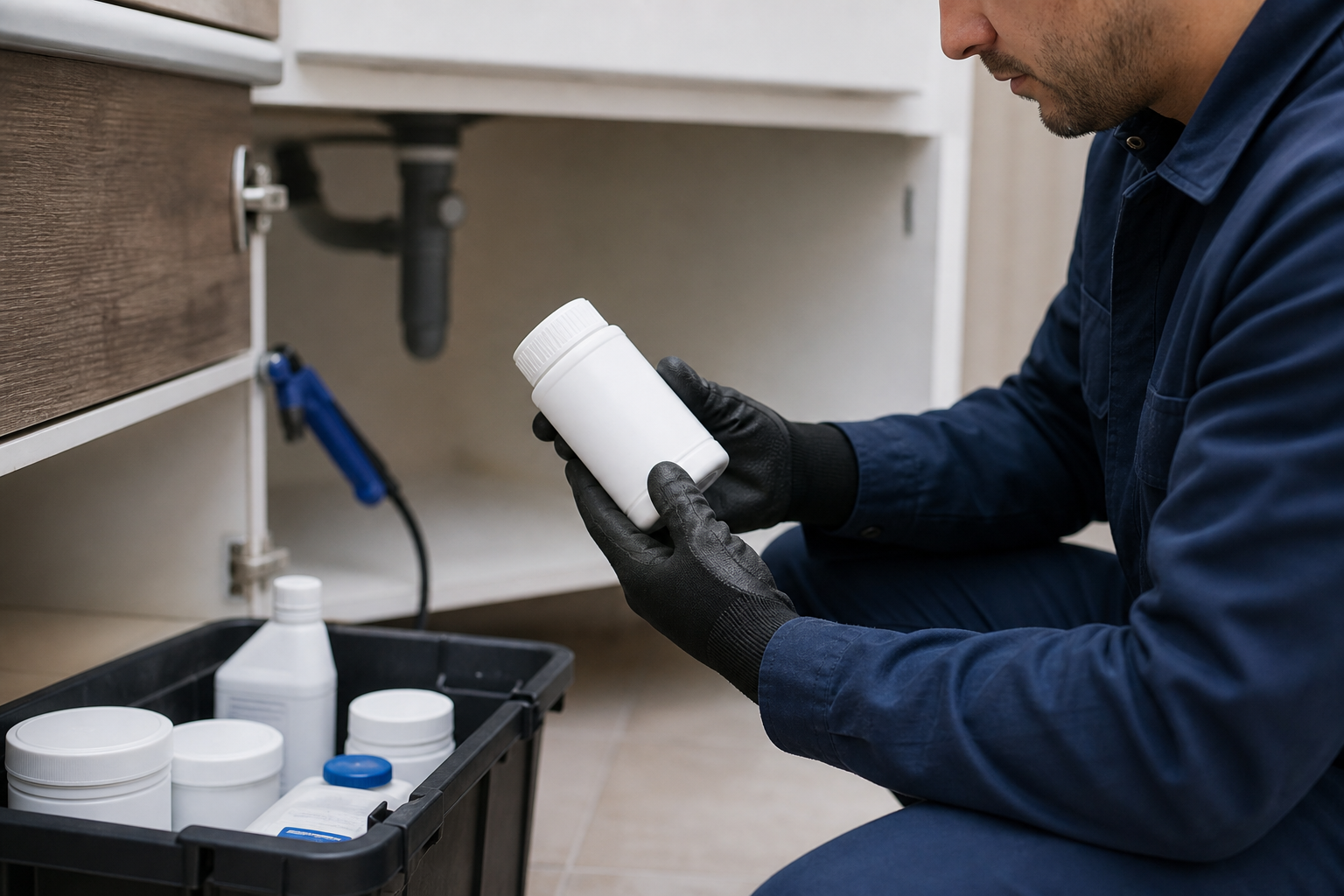
What a clear treatment plan should include
- Target pest and degree of infestation.
- Target areas inside the home where treatments will be applied.
- Methods and product types to be used, and whether non-chemical options are planned.
- Number of visits, follow-up schedule, and success criteria.
- Monitoring traps or devices and recordkeeping commitments.
Verify label-compliant product use
Product labels determine what can be applied indoors, how much product is allowed, and where it is permitted. In Canada, PMRA guidance explains that providers must follow label directions and provide a rationale when they propose non-standard indoor application areas or expanded treatment zones Structural pest control products: label updates. Ask your provider to list product names or active ingredients and to explain how label instructions are met in the home. If a planned application falls outside label directions, require a written rationale and safety measures as suggested by provincial treatment-plan guidance Developing a Treatment Plan.
Step 3: evaluate providers and offers using objective decision criteria
Essential questions to ask each provider
- Can you provide a written inspection report and a written treatment plan?
- Which products or non-chemical methods will you use, and can you show the product labels or data sheets?
- How many visits are included, and what are the follow-up and monitoring steps?
- What is included in cleanup and post-treatment documentation?
- Do you offer a written warranty, what does it cover, and what are the exclusions?
- Can you provide references or local reviews from homeowners with similar problems?
Decision criteria and red flags
- Prefer providers who supply a written plan and label information, and who describe monitoring and recordkeeping, which are core IPM elements Pest monitoring and recordkeeping.
- Value transparency on products and rationale for indoor use, and local responsiveness to follow-up requests.
- Red flags: refusal to provide a written plan, vague answers about products, pressure to accept whole-home spray without inspection, or no warranty documentation.
As an example of a clear warranty term, Bugman Plus documents a 3-month warranty on all interior treatment programs, which you can reference when comparing offers Bugman Plus.
Step 4: prepare your home for an interior treatment
Room-by-room preparation checklist
- Bedrooms: remove bedding from mattresses and place in sealed bags if requested, clear floor space for mattress and bedframe access, and make note of personal items that must remain sealed.
- Kitchen and pantry: clear countertops and food cupboards of exposed food, store pet food in sealed containers, and remove dishes from treatment areas.
- Living areas: clear clutter that blocks baseboards and wall junctions, move light furniture away from walls, and secure electrical components if requested.
- Pets and plants: temporarily relocate pets and sensitive plants if the technician advises it, and follow re-entry guidance after treatment.
- Appliances and access: pull appliances only if requested by the technician, and ensure access to attics, crawlspaces, or wall voids if those are part of the scope.
Follow technician instructions carefully. Do not wash treated surfaces or disturb bait stations unless told to do so. If your home is not prepared, request the provider to document limitations and to reschedule if necessary.
Step 5: what to expect during and after treatment, plus recordkeeping
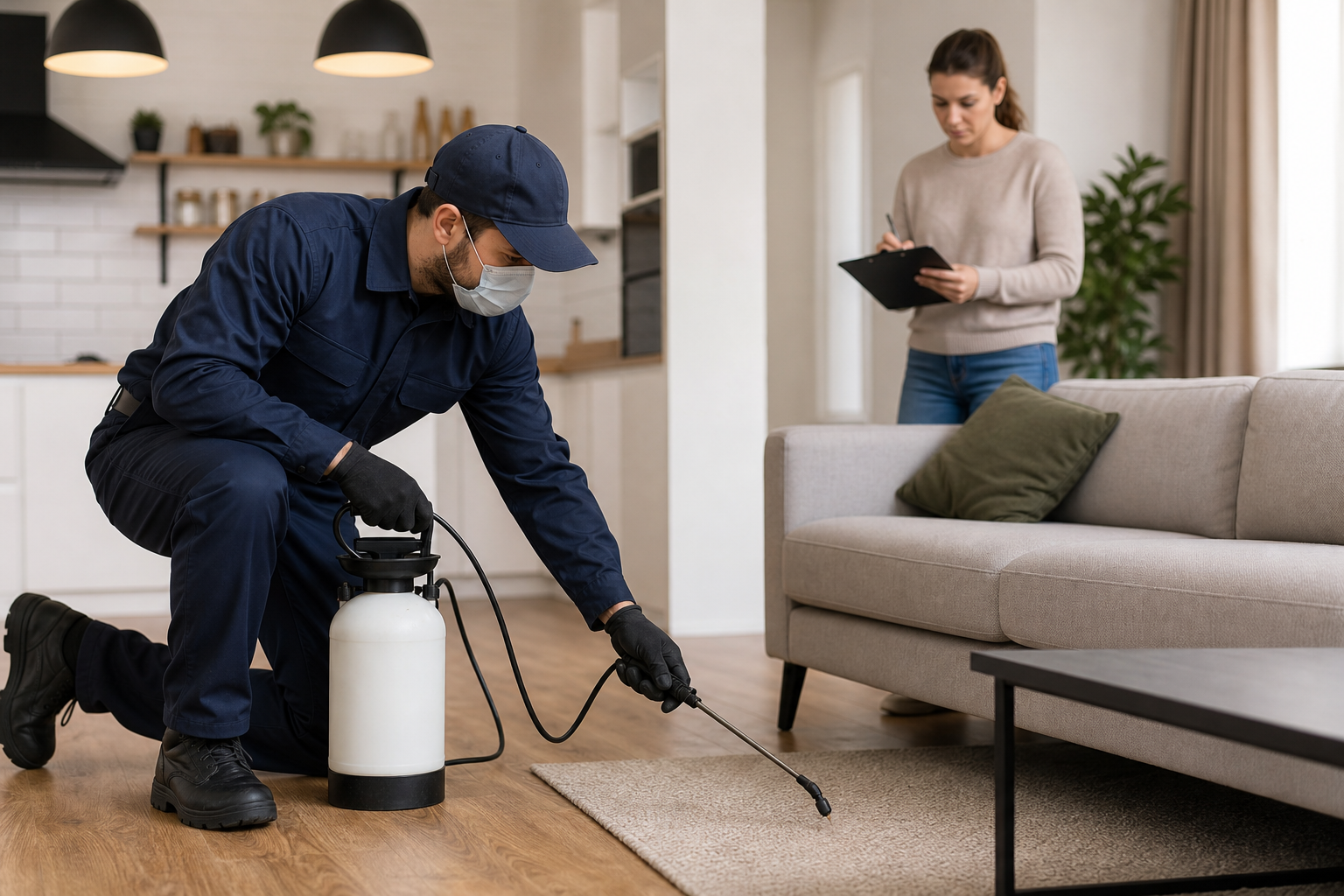
On-site sequence and homeowner actions
- The technician conducts a final inspection and reviews the written plan with you.
- They apply treatments in targeted areas, place baits or traps, and note treated locations on a plan or photo log.
- They explain ventilation, re-entry times, and any temporary restrictions for children or pets.
- They leave a written receipt and a follow-up schedule, and provide instructions on what to watch for after treatment.
Monitoring and warranty claims
Effective programs include monitoring and recordkeeping. Keep copies of inspection notes, photos, and the treatment plan. Integrated pest management guidance stresses consistent monitoring as core to measuring success Pest monitoring and recordkeeping. If an infestation appears to return within the warranty period, follow the provider's written warranty procedure and document new sightings. If a provider refuses to honour a documented warranty, request escalation in writing and, if necessary, seek a second opinion from another licensed provider while retaining your original records.
Addressing common objections, safety concerns, and limits of interior treatments
Safety for children and pets
Safety is managed by following product labels, using targeted applications, and allowing recommended re-entry times. The PMRA and provincial treatment-plan guidance emphasise label compliance and documented rationale when expanding treatment areas indoors PMRA label guidance, provincial treatment-plan guidance. Ask providers to explain how label directions protect occupants and to show where treated areas will be located.
Realistic limits and expectations
No program can promise results beyond the terms in a written warranty. Do not accept verbal guarantees of permanent eradication. Use the written treatment plan, monitoring records, and warranty to set realistic expectations about follow-up visits and timelines.
Final decision checklist and next steps for Oshawa and Durham Region homeowners
Use this ordered checklist before you commit to an interior pest treatment program. Stop and request a written second opinion if any step is incomplete.
- Inspect and document the problem, take photos, and collect evidence as suggested by conservation and inspection guidance Detecting Infestations.
- Request a written inspection report and a written treatment plan that lists methods and product names.
- Confirm products and application areas follow label limits, and request a documented rationale for any non-standard indoor application PMRA guidance.
- Compare providers on transparency, monitoring commitments, warranty length and exclusions, and local responsiveness.
- Prepare your home using the room-by-room checklist above and follow technician directions on re-entry and cleanup.
- Keep records of inspections, treatment plans, and follow-up notes, and use them to make warranty claims if necessary IPM monitoring guidance.
If you want a local, warranty-backed interior treatment option in Oshawa or Durham Region, Bugman Plus documents a 3-month warranty on interior treatment programs and offers inspection-based, quote-driven services for bed bugs, wasps and spiders, cockroaches, ants, and rodents Bugman Plus. For explanations of IPM steps and prevention actions, read the integrated household pest management article on the Bugman Plus blog integrated household pest management.
Frequently asked questions
What does an interior pest treatment program cover and how does it differ from a one-off visit
An interior pest treatment program is a planned sequence of inspection, targeted treatment, monitoring, and follow-up visits intended to control a specific pest problem. A one-off visit is typically a single reactive application without ongoing monitoring or a written plan. Programs use integrated pest management principles to reduce re-infestation risk, which is supported by provincial treatment-plan guidance Developing a Treatment Plan.
How does Bugman Plus’s 3-month warranty on interior treatment programs work and what does it cover
Bugman Plus documents a 3-month warranty on all interior treatment programs. The warranty terms are provided with quotes and specify what follow-up visits or retreatments are included. For full details see the company site and request the warranty wording with your written estimate Bugman Plus.
Are indoor pesticide treatments safe for children, pets, and people with sensitivities
Safety depends on following product label directions and the technician's procedures. Labels describe re-entry times and precautions, and PMRA guidance requires label-compliant applications indoors PMRA guidance. Ask the provider to explain re-entry times and steps to reduce exposure.
How should I prepare my bedroom and mattress before a bed bug interior treatment
Remove bedding and launder items in hot water where appropriate, place washed items in sealed bags, clear floor spaces for mattress access, and follow any written instructions from the technician. Do not attempt to move or treat mattress foam yourself without guidance. The technician will explain specific preparation and re-entry steps during the pre-treatment review.
What should I do if the infestation returns after treatment and the provider refuses to honour the warranty
Keep all inspection and treatment records, photos, and communications. Ask the provider for a written explanation for refusal. If the provider will not resolve the issue, get a second written opinion from another licensed provider and keep documentation. You may also escalate through consumer protection channels if necessary.
Bugman Plus offers local inspections and warranty-backed interior treatment programs in the Oshawa and Durham Region area. Call 905-924-2847 or request a quote on the website to schedule an inspection or to get the written treatment plan and warranty terms before you decide.


