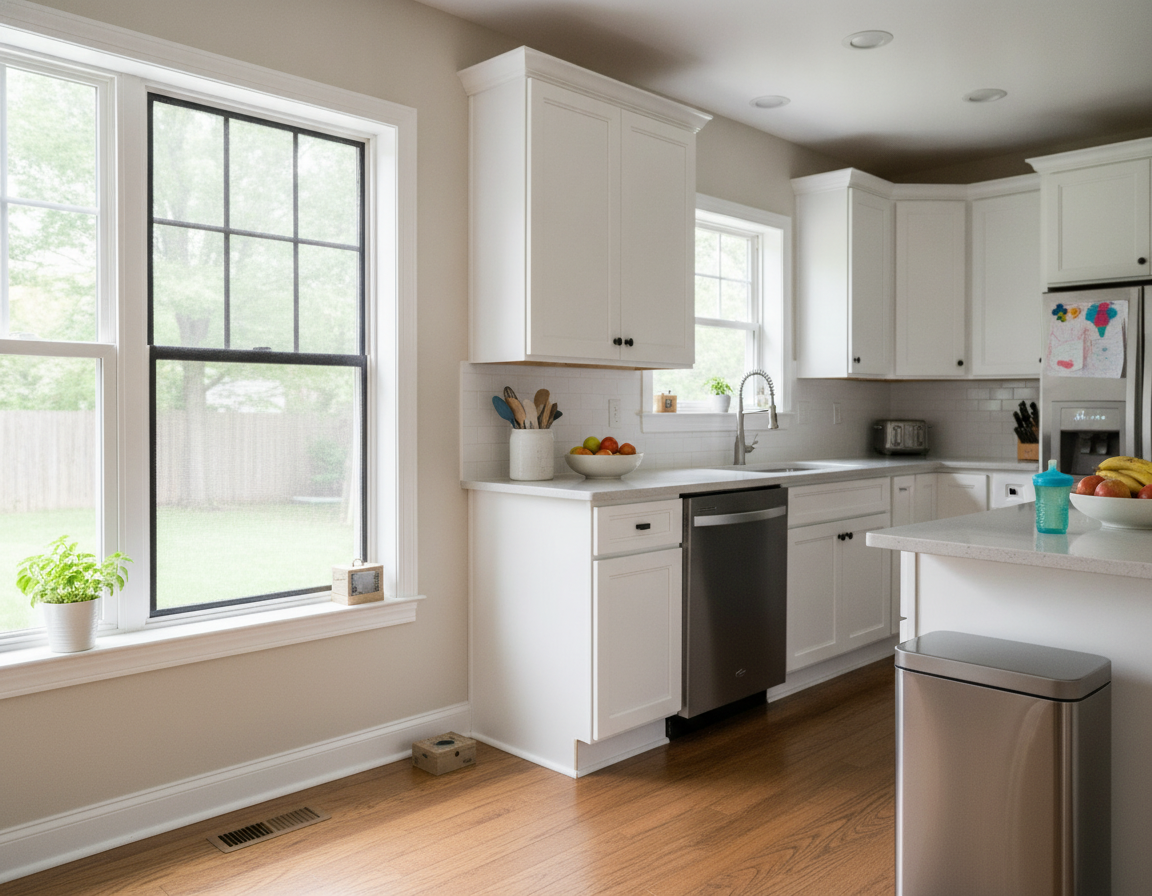
Integrated household pest management (IPM) is a preventive, science-based way to control pests using inspection, sanitation, exclusion, monitoring, and targeted treatments. It reduces risk to people, pets, and property while keeping insects and rodents below action thresholds. For Oshawa homeowners, IPM pairs smart home habits with Bugman Plus’s warranty-backed interior treatments.
By Bugman Plus • Last updated: July 1, 2026
Overview and Table of Contents
Integrated household pest management uses prevention first and precise, least-risk treatments only when needed. This guide explains what IPM is, why it matters for health and safety, how it works step by step, best practices for Oshawa homes, recommended tools, and real case examples from Bugman Plus technicians.
Here’s how this complete guide will help you make a safer, pest-free home using integrated household pest management principles while staying aligned with how our technicians in Oshawa service real homes every day.
- What IPM is and how it differs from “spray and pray”
- Why IPM matters for safety, allergens, and durability
- How IPM works: inspection to proofing to targeted control
- IPM methods: sanitation, exclusion, mechanical, and more
- Best practices for Oshawa homes (seasonal tips)
- Tools and resources we actually use
- Case studies from Bugman Plus
- Frequently asked questions
- Key takeaways
- Next steps and related services
What is Integrated Household Pest Management?
Integrated household pest management is a strategy that prevents and controls pests by combining inspection, sanitation, exclusion, monitoring, and precise treatments. Instead of routine blanket spraying, IPM targets the source and uses the least-risk option first, escalating only as needed to keep pest levels below action thresholds.
IPM shifts the focus from reacting to infestations to preventing them. It blends building science, biology, and practical home habits to interrupt food, water, and shelter for pests. When we apply interior treatment programs, we match products and methods to the species, the infestation level, and the room conditions for safer, lasting results.
- Prevention-first approach: Close entry points, remove food/water sources, and reduce harborage zones.
- Action thresholds: Take action only when pest counts or damage risk passes a set trigger.
- Species-specific control: Treatment and tools change with ants, cockroaches, bed bugs, spiders/wasps, or rodents.
- Verification: Follow-up inspections confirm that steps worked and that pest levels remain low.
In our experience in Oshawa homes, a single well-placed exclusion bead can stop hundreds of ants in a season, while a forgotten 1/2-inch gap can invite mice repeatedly. That’s why IPM prioritizes sealing and sanitation before any treatment.
Why Integrated Household Pest Management Matters
IPM protects health, reduces chemical exposure, and preserves your home by fixing root causes of infestations. By tightening entry points and maintaining sanitation, you prevent re-infestation, stretch the impact of any treatment, and keep pests below levels that trigger damage or disease concerns.
Why does this matter for families? Because the biggest wins in household pest control come from low-risk steps that lower allergens and block access. For instance, sealing door sweeps can cut incoming crawling insects dramatically. Mice can fit through openings the size of a dime, so closing 1/4-inch gaps eliminates repeat entries.
- Health benefits: Reducing cockroach and rodent allergens helps sensitive family members breathe easier.
- Safety benefits: Targeted baits or dusts, used precisely, lower exposure compared with wide spraying.
- Durability benefits: Fixing moisture issues and closing gaps protects cabinets, wiring, and insulation.
- Better outcomes: Monitoring and thresholds prevent over-treating and improve long-term control.
We’ve found that homes with a simple weekly monitor check and a tidy kitchen have far fewer service callbacks. That consistency pairs well with our interior treatment programs backed by a 3-month warranty.
How Integrated Pest Management Works (Step-by-Step)
IPM follows a repeatable cycle: inspect, identify the pest, set thresholds, prevent (sanitize and exclude), deploy least-risk controls, and verify results. You escalate only if monitors show activity above threshold. This targeted approach saves time, lowers exposure, and sustains control season after season.
Here’s the step-by-step sequence our Oshawa technicians use inside homes. It’s practical, measurable, and designed to prevent rebound infestations while using the fewest interventions necessary.
- Inspect and map: Note droppings, frass, harborages, moisture, and entry points; place sticky monitors at hotspots.
- Identify the species: Ant vs. roach vs. rodent vs. bed bug; each has different behaviors and controls.
- Define thresholds: Set a trigger (e.g., two rodents on cameras in one week) before escalating treatments.
- Sanitize and dry: Remove crumbs/grease; fix drips; keep humidity under 50% in basements and baths.
- Exclude and proof: Seal 1/4-inch+ gaps, add sweeps, repair screens, and close pipe penetrations.
- Targeted controls: Use baits, traps, dusts, or insect growth regulators where pests live and travel.
- Verify and document: Re-check monitors in 7–14 days; adjust tactics only if activity persists.
| IPM Step | What You Do | Typical Timing | Helpful Tools |
|---|---|---|---|
| Inspect | Check kitchens, baths, utility rooms, and exterior walls; place monitors | Initial visit; every 2–4 weeks if active | Flashlight, sticky traps, mirror |
| Identify | Confirm species and life stage | Same visit | Hand lens, pest ID guide |
| Threshold | Decide when to escalate | Same visit | Logbook, phone notes |
| Sanitize | Degrease, declutter, dry wet zones | Day 1–3 | Degreaser, HEPA vac, dehumidifier |
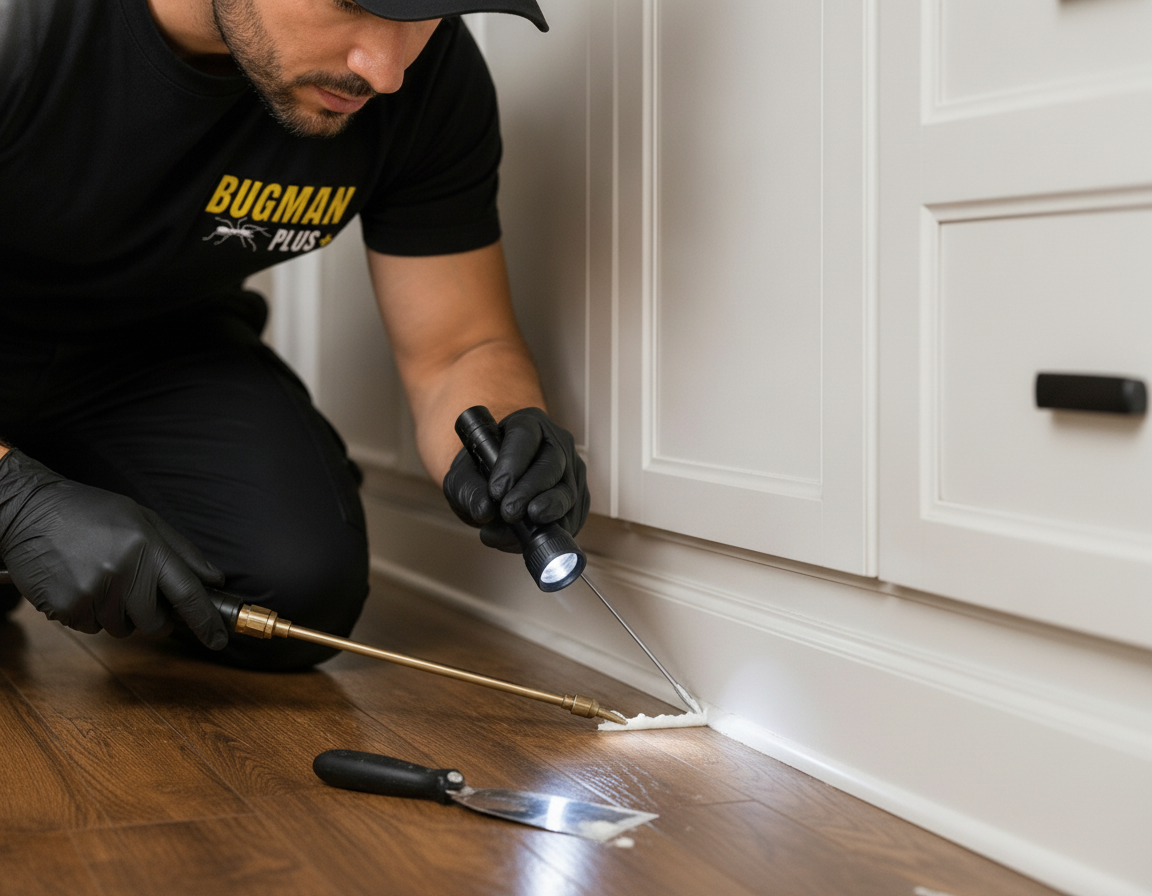
| Exclude | Seal cracks, fit sweeps, repair screens | Day 1–7 | Silicone/foam, steel wool, sweeps |
| Control | Place baits/traps or apply targeted dusts | Day 1–7 | Bait stations, snap traps, dust applicator |
| Verify | Re-inspect and adjust tactics | Day 7–14 | Monitors, moisture meter |
When needed, Bugman Plus pairs these steps with our bed bug, cockroach, ant, spider/wasp, and rodent services so Oshawa homeowners get a clear plan plus a 3‑month warranty on interior programs.
IPM Methods and Approaches You Can Use Today
Effective IPM combines sanitation, exclusion, environmental tweaks, mechanical traps, and species-specific baits or dusts, with chemicals reserved as a last step. The emphasis is on disrupting food, water, and shelter so infestations collapse naturally and don’t rebound after treatment.
Sanitation and moisture control
- Degrease stove sides and cabinet bottoms; roaches thrive in grease films as thin as a credit card.
- Run a dehumidifier to keep basements near 45–50% RH; many pests spike above 60% humidity.
- Store pantry goods in gasketed bins; a single open cereal box can feed ants for weeks.
Exclusion and building proofing
- Install door sweeps with no visible daylight; even a 1/8-inch gap admits small insects.
- Seal pipe penetrations with silicone plus steel wool for rodents; mice compress through dime-sized holes.
- Repair tears in window screens; a 1/4-inch rip is enough for wasps or flies to enter.
Monitoring and thresholds
- Place 4–6 sticky monitors in kitchens and bathrooms; check weekly and log counts.
- Use motion cameras for rodents; two hits in seven days may trigger escalation.
- Document hot spots on a simple floor plan to focus controls where activity is highest.
Targeted controls (least-risk first)
- Baits for ants and cockroaches along foraging routes; avoid contaminating with cleaning sprays.
- Desiccant dusts in wall voids where children and pets can’t access.
- Snap traps in protected stations for rodents; pre-baiting can lift catch rates within 48 hours.
For homeowners who want professional backup, our Get a Quote page connects you with a Bugman Plus technician who will match methods to your specific pest situation, then stand behind the work.
Best Practices for Oshawa Homes
In Oshawa homes, best-practice IPM means season-proofing entry points, staying ahead of moisture swings, and tailoring tactics to local pests like ants, wasps, bed bugs, roaches, and rodents. Consistent weekly checks and quick fixes prevent small problems from growing into recurring infestations.
- Kitchen routine: Nightly wipe-downs, sealed bins, and degreased appliances reduce roach and ant pressure.
- Basement routine: Dehumidify to 50% RH and seal rim joists; rodents and silverfish both love damp, cluttered areas.
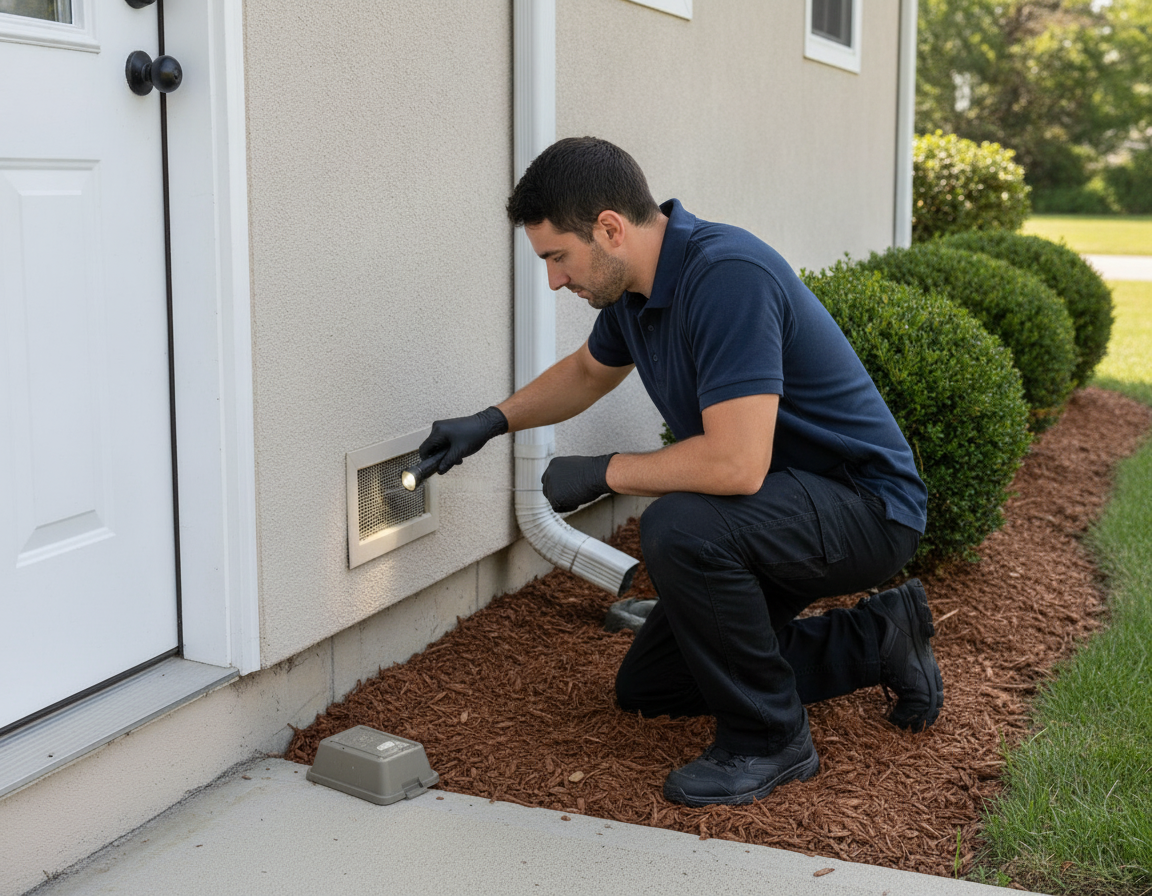
- Exterior routine: Keep 12–18 inches of clear space between mulch and siding; trim shrubs back to stop bridge routes.
- Action triggers: If monitors catch more than 3 roaches in a week or you see repeat ant trails, escalate to targeted baits.
- Service backup: Pair these habits with warranty-backed interior treatments when activity crosses thresholds.
Local considerations for Oshawa
- After spring thaws and heavy rains, check foundation cracks and door sweeps; moisture swings often push ants indoors near areas like Prince of Wales Park neighborhoods.
- Late summer wasp activity peaks near outdoor shopping areas like Kendalwood Park Plaza; cover bins tightly and inspect eaves weekly.
- Before the first hard frost, seal 1/4-inch+ gaps to deter mice seeking warmth; focus on utility lines and garage door corners.
Tools and Resources Our Technicians Recommend
Start with monitors, a bright flashlight, silicone or acrylic-latex sealant, steel wool, door sweeps, lidded bins, and a dehumidifier. Add targeted baits and traps matched to the species. Keep a simple log to track counts and dates so you know when to escalate or call in a pro.
- Inspection gear: High-lumen flashlight, hand mirror, hand lens, sticky monitors.
- Proofing kit: Silicone/foam sealant, steel wool, escutcheon plates, window screen patches, door sweeps.
- Moisture control: Dehumidifier, fan, hygrometer; aim for 45–50% RH in basements.
- Targeted controls: Species-matched baits, snap traps in stations, desiccant dusts for voids.
- Documentation: Simple paper log or app to record catches and sightings.
Digital record-keeping helps homeowners track patterns and results over time. If you prefer a tech-forward approach to logging, browse a general overview of pest control apps and tools for ideas on organizing notes and reminders.
When activity crosses your threshold—or you want the confidence of a warranty—book a service through our Get a Quote page. Our About page explains our founder-led approach and 3‑month warranty on interior programs.
Free home readiness checklist: When you schedule service, ask our technician for the in-home IPM checklist we use during inspections. It outlines exactly what to sanitize, seal, and monitor between visits.
Contact our team or start on the Get a Quote page.
Case Studies and Real-World Examples
IPM works best when small, precise steps stack together. These quick Oshawa examples show how sanitation, sealing, and targeted controls solve persistent problems—and how warranty-backed interior treatments keep results steady after the initial fix.
1) Kitchen cockroaches reduced by sanitation and baits
An Oshawa family reported nightly sightings of small roaches around the oven. The grease film at the cabinet toe-kick and a leaky sink trap were fueling the issue. After a deep degrease, pipe repair, monitor placement, and gel baits under hinges, monitor captures dropped sharply within two weeks.
- Why it worked: Food and water removal weakened the population; correctly placed baits finished the job.
- Pro support: Our cockroach control service verified the result with follow-up monitoring.
2) Ant trails stopped with one bead of sealant
Persistent spring ant trails appeared at a basement window frame. A 3/16-inch gap along the sill plate was the highway. One continuous silicone bead—plus exterior mulch pulled 18 inches from the wall—ended the trails, with no baits required.
- Why it worked: Exclusion cut the route to indoor food; outdoor landscaping removed the moisture bridge.
- When to escalate: If trails continue after exclusion, baits placed along foraging lines help clear satellite colonies.
3) Rodent rub marks traced to a garage corner
Rub marks and droppings led to a finger-width gap at a garage door corner. After installing a tight door sweep, sealing conduit penetrations with steel wool plus sealant, and placing stations outside, camera hits went from nightly to zero over 10 days.
- Why it worked: Proofing eliminated entry while exterior stations intercepted stragglers.
- Pro support: Our rodent control team confirmed no re-entry on a two-week recheck.
4) Bed bug harborage isolated and treated
A cluster of bites indicated activity near a headboard. Interceptions under bed legs captured nymphs within 48 hours. Decluttering, a methodical vacuum, encasements, and a targeted interior treatment resolved the issue. Interceptors stayed clear through the 3‑month warranty window.
- Why it worked: Interceptors mapped the problem; targeted treatment and encasements removed the refuge.
- Get help: See our bed bug control service for professional support.
For homeowners comparing DIY to pro support, remember: complexity, species, and access dictate results. If you’re weighing ant treatment options or wondering about ant control cost drivers like infestation size and access, start with an inspection and thresholds, then lean on our ant control service if activity persists.
Frequently Asked Questions
IPM answers common homeowner questions with practical steps: fix moisture, seal entry points, monitor activity, and use targeted controls only as needed. Below are direct answers to the questions we hear most in Oshawa homes.
What is the first step in integrated household pest management?
Start with inspection and identification. Map where you see droppings, frass, or live insects, and confirm the species. Then place sticky monitors in kitchens and baths. With a clear picture, you can set thresholds and focus on sanitation and sealing before using any targeted treatments.
How often should I check pest monitors?
Check weekly when activity is present, then every two to four weeks once counts drop below your threshold. Log dates and numbers so you can see trends. If captures spike or you see new droppings, escalate to targeted baits, traps, or call for professional service.
Will IPM reduce chemical use in my home?
Yes. IPM prioritizes sanitation and exclusion, then uses the least-risk controls only where pests live and travel. That means fewer broad applications and better long-term control. Many issues resolve once food, water, and shelter are addressed and only precise treatments are needed.
When should I call a professional instead of DIY?
Call a pro when you confirm bed bugs, see rodent rub marks and multiple droppings, find persistent cockroach activity after sanitation, or when wasp nests are hard to reach. Complex or recurring infestations benefit from professional tools, species-specific products, and a warranty-backed plan.
Key Takeaways
IPM works because small, consistent steps block food, water, and shelter before treating. Monitor weekly, fix moisture, seal entry points, and deploy targeted controls only when counts exceed your thresholds. Pair DIY with a trusted, warranty-backed service if activity returns or complexity rises.
- Prevention, not just reaction, drives durable control.
- Sanitation and exclusion lower pest pressure fast.
- Monitoring and thresholds prevent overuse of treatments.
- Professional support adds species expertise and a warranty.
Next Steps and Related Services
If you’re ready to apply IPM at home, start with inspection, sanitation, and sealing this week. If activity continues or you want a warranty-backed plan, schedule service with Bugman Plus. We’ll document findings, treat precisely, and verify results with follow-ups.
Explore our service options for bed bugs, ants, cockroaches, spiders/wasps, and rodents, learn about our founder and values on the About page, or request a quote now. If you’re curious about industry examples and tools, see this overview of digital programs in pest control and general guidance on pesticide safety and testing considerations in broader contexts.