
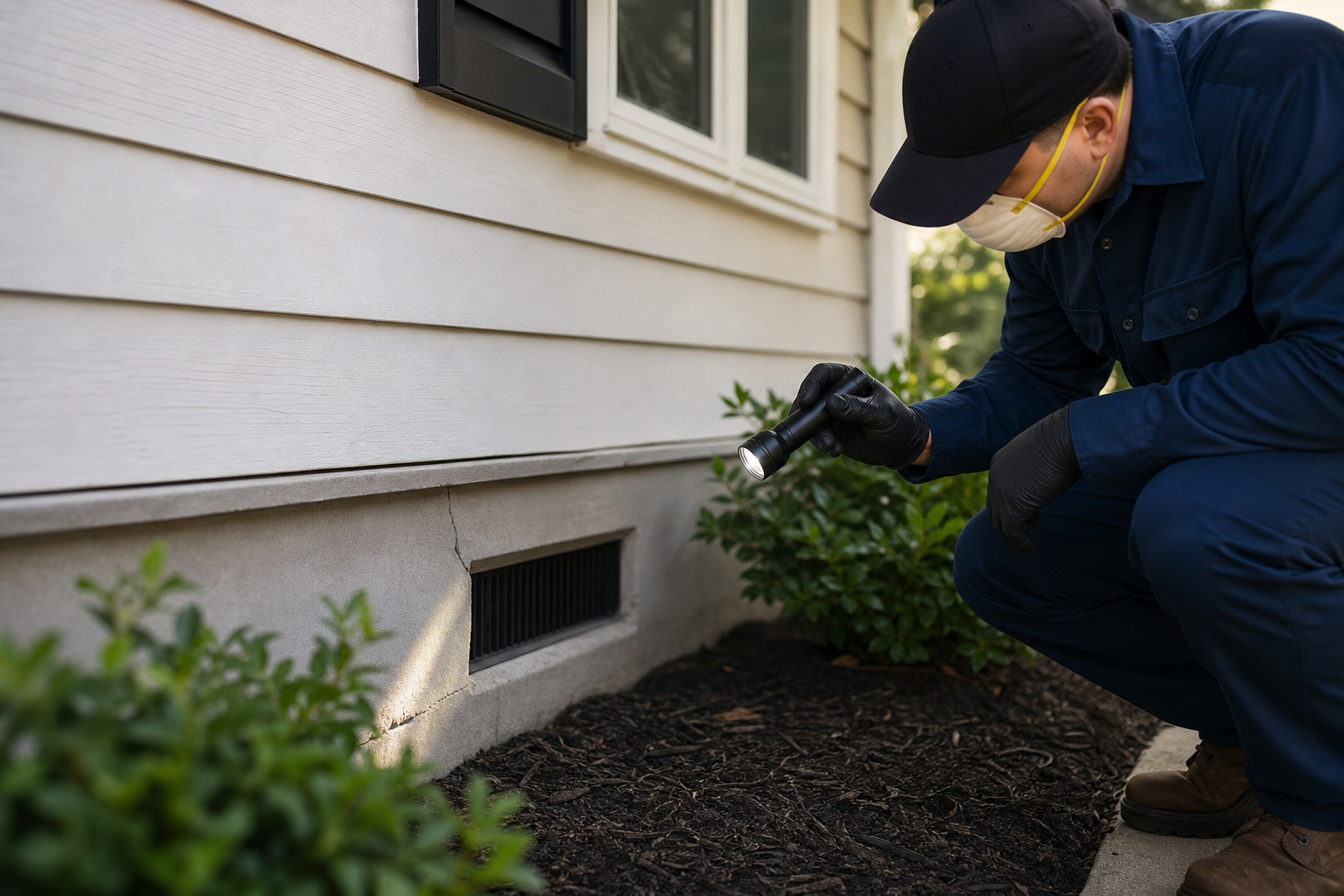
A clear, repeatable checklist helps homeowners prevent small pest problems from becoming costly, disruptive infestations. The aim of this guide is simple: give you a structured process you can run monthly and seasonally. You’ll learn what to look for, where to look, how to reduce attractants, and how to keep useful records so you can spot trends early.
Start with a simple assessment
Begin by answering a few baseline questions. This fast assessment takes 10–15 minutes and shapes where you focus next.
- What have you seen lately? Note any live insects, droppings, gnaw marks, damaged packaging, small piles of sawdust, shed wings, or webbing.
- Where did you see it? Record exact locations: room, wall, corner, shelf, appliance, or exterior area.
- When did it occur? Date, time of day, and frequency (once, occasional, daily).
- What changed recently? New food sources, clutter, water leaks, renovations, yard work, deliveries, secondhand items, or weather shifts.
Use this initial snapshot to prioritize inspections in high-risk areas and to choose the most relevant prevention steps below.
Prevention basics: exclusion and sanitation
Most pest pressures can be reduced with two categories of action: keeping pests out (exclusion) and removing what attracts them (sanitation). Work through this mini-checklist monthly.
Exclusion checklist
- Doors and weatherstripping: Ensure door sweeps touch thresholds without gaps. Replace brittle or crushed weatherstrips.
- Windows and screens: Repair tears; confirm tight fits. Seal gaps around frames with appropriate caulk.
- Pipes, cables, and vents: Seal wall penetrations with pest-resistant materials sized to the opening. Check dryer and stove vents for intact covers.
- Foundation and siding: Look for cracks, missing mortar, and warped panels. Seal or repair as needed.
- Attic and roofline: Confirm intact soffit and ridge vents with snug screening. Replace missing roofline screens or vent hoods.
- Garage and crawlspace: Install door sweeps; close gaps along slab edges; ensure crawlspace vents have fitted screens.
Sanitation checklist
- Food storage: Use sealed, pest-resistant containers. Wipe shelves and bins before refilling.
- Waste handling: Keep lids closed. Rinse containers before discarding. Move bins away from doors and windows if possible.
- Water control: Fix leaks under sinks, behind toilets, and at hose bibs. Dry damp areas and improve airflow.
- Grease and crumbs: Clean stovetops, drip pans, oven interiors, and floor edges. Pull out appliances quarterly to clean underneath.
- Pet care: Store kibble in sealed containers. Clean bowls daily. Manage litter and outdoor waste promptly.
- Clutter reduction: Recycle cardboard; store items in lidded plastic totes; maintain clear floor and wall space in closets and utility rooms.
Room-by-room checklist
Target the most common harborages and signs in each space. Bring a flashlight, a notepad, and disposable gloves.
Kitchen and pantry
- Inspect under sinks for moisture, frayed lines, and droppings. Tighten fittings and dry basins.
- Check pantry staples (flour, cereals, rice, pet food) for damaged packaging, webbing, or beetles. Repackage into sealed containers.
- Look behind and under appliances for crumbs, grease, egg cases, or shed skins. Vacuum and clean thoroughly.
- Examine backsplash and cabinet joints for gaps. Caulk where needed.
Bathrooms and laundry
- Search around plumbing penetrations for gaps and moisture. Seal and dry.
- Check for silverfish activity in cabinets and along baseboards. Reduce humidity; store paper goods off the floor.
- Ensure dryer and exhaust vents have intact covers and close properly.
Bedrooms and closets
- Inspect bed frames, headboards, mattress seams, and nearby baseboards for specks, cast skins, or other unusual signs.
- Declutter under beds; store items in sealed containers instead of cardboard.
- Check closet floors and corners for droppings or gnaw marks; elevate fabric storage.
Living areas and utility rooms
- Look behind electronics and inside cable pass-throughs for gaps; seal as appropriate.
- Check HVAC closets and water heater areas for droppings, nesting material, or chew marks on insulation.
- Inspect baseboard-to-floor seams for gaps; caulk or add trim seals.
Garage, basement, and storage
- Scan overhead door bottoms and side seals for light leaks; replace worn sweeps.
- Elevate stored goods on shelves; switch to lidded totes. Avoid stacking cardboard on floors.
- Look for small entry points around utility lines and sill plates; seal with suitable materials.
Exterior and yard
- Trim vegetation back from siding and rooflines to reduce bridges.
- Remove leaf piles, wood stacks against walls, and debris that can harbor pests.
- Ensure gutters and downspouts move water away from the foundation; fix pooling areas.
- Check outdoor lighting placement; manage brightness and bulb type as needed to minimize attraction to entry points.
Seasonal pest control checklist
Layer your monthly routine with seasonal tasks to match changing pressures throughout the year. Adjust as needed for your climate and property type.
Spring
- Seal overwintering entry points uncovered by winter contraction. Recheck caulked seams.
- Clean gutters; remove debris along foundations. Refresh door sweeps and screens.
- Inspect sheds and attics for new nests or activity. Remove yard debris.
Summer
- Increase kitchen and outdoor cooking sanitation; empty bins more frequently.
- Monitor for stinging insect activity around eaves and play areas; keep distance from any nests you find.
- Inspect pet areas and outdoor feeding stations daily for spills and ants.
Fall
- Close gaps at utility penetrations before cooler weather drives pests indoors.
- Store firewood away from structures and off the ground.
- Install or refresh door sweeps and check thresholds for light leaks.
Winter
- Monitor warm mechanical rooms and basements for rodent signs.
- Check attic vents and roofline screens after storms; repair promptly.
- Continue moisture control indoors to deter pests that thrive in humidity.
Monitoring and documentation
Good records turn guesswork into targeted action. Keep a simple log and use low-impact monitors where appropriate.
What to track
- Date, time, and location of any signs or sightings.
- Type of sign: live insect, droppings, gnaw marks, webbing, damaged food packaging, wings, or stains.
- Actions taken: sanitation steps, sealing, traps placed, product applications.
- Follow-up results: reductions, continued sightings, or spread to other rooms.
Monitoring ideas
- Sticky monitors: Place discretely along wall edges behind appliances and in utility areas; label with date and location.
- Snap or enclosed traps for rodents: Position along walls where droppings or rub marks are seen; check frequently.
- Visual inspection cadence: Schedule brief weekly walk-throughs of kitchens, utility rooms, and entry points.
Compare logs month over month. If activity persists in the same area, expand your inspection radius and revisit exclusion steps.
Safe application and storage of products
If you choose to use consumer pest control products, handle them carefully. Always read and follow the product label. Do not mix products or reuse containers for other purposes.
- Targeted use: Apply only where activity is observed or where labels specify. Avoid broad, unnecessary applications.
- Ventilation: Ensure adequate airflow during and after use as directed by the label.
- Protective measures: Wear recommended personal protection listed on the label. Wash hands after handling.
- Child and pet safety: Keep products out of reach; store in original containers with intact labels.
- Disposal: Follow local guidance and product directions for disposal. Do not pour into drains unless the label instructs.
If you have health-specific questions about exposures or medical concerns, consult a qualified medical professional. This guide provides general information and is not a substitute for professional advice or treatment.
When to handle it yourself vs. seek help
Many minor issues respond well to better sanitation, sealing entry points, and simple monitoring. Consider additional help when any of the following apply:
- Persistent activity after you’ve completed exclusion and sanitation steps for several weeks.
- Spreading to multiple rooms or adjacent units.
- Electrical, plumbing, or structural risks (e.g., chewing near wiring or pipes).
- High-risk areas like nurseries, elder care spaces, or where sensitive individuals may be exposed.
- Stinging insect nests on structures or in high-traffic areas.
- Evidence of nesting inside walls, attics, or HVAC systems.
If you’re uncertain about identification or safe treatment options, a licensed pest control professional can provide an inspection and explain available approaches. Avoid disturbing nests or sealed harborages until a plan is in place.
Emergency and special situations
Some scenarios require heightened caution. Prioritize safety and keep distance as appropriate.
- Stinging insects: Avoid close inspection if you see numerous insects entering a hole, soffit, or cavity. Keep people and pets away from the area.
- Sightings near electrical systems: Do not open energized panels or disturb wiring. Consider shutting off affected circuits if safe and consult qualified professionals.
- Wildlife remains or contamination: Limit access to the area. Use gloves and appropriate precautions for cleanup; if in doubt, seek guidance.
- Strong odors or unusual stains: Ventilate and investigate cautiously; rule out leaks and contamination before cleaning.
For medical emergencies, contact local emergency services. For legal or regulatory questions about wildlife or restricted materials, consult appropriate authorities or qualified professionals.
FAQ
How often should I run this checklist?
Do a brief monthly walkthrough for sanitation and exclusion, plus a more thorough seasonal pass at the start of each season. If you log activity in a specific area, increase inspections there to weekly until it resolves.
What are the first three actions that usually make the biggest difference?
Fixing moisture issues (leaks and condensation), sealing obvious gaps at doors and utility penetrations, and improving food and waste storage typically reduce activity quickly. These steps also make any additional measures more effective.
How do I know if the problem is getting better?
Use dated monitors and a simple log. You should see fewer captures or signs over consecutive checks, shrinking from daily to occasional, then to none. If activity shifts to new areas or remains constant after several weeks of corrective actions, reassess entry points and consider expert input.
Is it safe to treat on my own?
Many consumer products are designed for limited, targeted use when you follow label directions precisely. Always read and follow labels, use protection as directed, and keep children and pets away from treated areas. If you are unsure about identification, treatment choice, or safety precautions, consult a qualified professional.
What’s the best way to store food to avoid attracting pests?
Transfer open dry goods into sealed, pest-resistant containers, wipe spills promptly, rotate stock so older items are used first, and keep shelves clean. Avoid leaving bowls of pet food out overnight.
A practical next step
To discuss the options that apply to your situation, contact Bugman Plus and request the relevant details before moving forward.


