
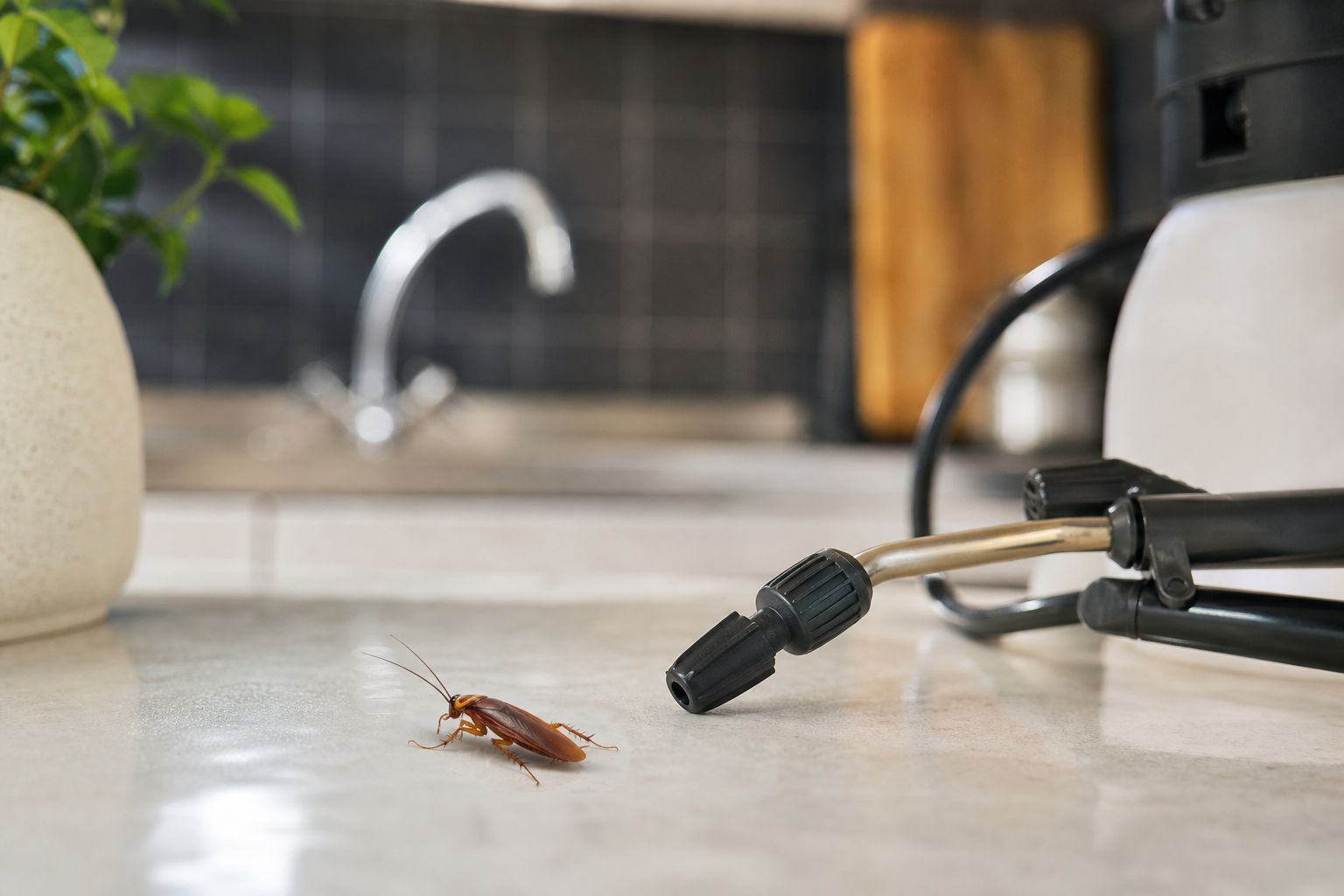
When an unwanted pest appears, speed matters. A fast, organized response can limit spread, reduce damage, and make any follow-up treatment more effective. This guide outlines practical, safety-first steps you can start immediately—plus simple checklists, quick wins for common pests, and clear cues for when to escalate to a qualified professional. For regulated topics like pesticide selection and application, this article provides general information only; always follow product labels and seek guidance from a licensed professional for your specific situation.
Assess the situation fast
Before you reach for a spray or trap, pause for a rapid assessment. A 2–5 minute check can keep you safe and make the next steps far more effective.
- Confirm what you’re seeing: one stray insect or signs of an infestation? Look for droppings, damaged packaging, shed skins, egg cases, nesting material, or multiple live insects.
- Note the room and hotspots: kitchens (sinks, appliances), bathrooms (pipe penetrations), bedrooms (mattress seams), basements/garages (walls, storage), and exterior entry points.
- Rate urgency: active stings or bites, electrical or fire risks (rodents chewing wires), contamination of food, or pests in sleeping areas all heighten priority.
- Protect people and pets: move children and pets away from the area before you begin any cleanup or product use.
Document with quick photos. You’ll use them to verify progress, decide if the issue is recurring, and share helpful details with a professional if needed.
Prioritize by risk and species
Different pests call for different response speeds and tactics. Use this simple triage to direct your first actions:
- High-risk, act immediately: stinging insects near entryways or living spaces; rodents inside; cockroaches in kitchens; bed bugs in sleeping areas.
- Low-risk, monitor then act as needed: occasional invaders (e.g., a single beetle or fly) with no recurring signs.
When in doubt, treat as higher risk until you can rule out hazards like contamination, bites/stings, or spread to sensitive areas.
Quick actions for common pests
These immediate steps help you contain problems quickly while staying within general, non-specialized actions. Always follow product labels and local guidance when using any pesticide and consider consulting a qualified professional.
Cockroaches
- Declutter and dry out: reduce hiding spots; fix moisture sources (leaks, standing water, wet rags).
- Sanitation first: vacuum crumbs, wipe grease, and store food in sealed containers.
- Target hotspots: behind/under appliances, inside cabinets (especially under sinks), and around wall penetrations.
- Use sticky monitors: place glue traps near suspected routes to gauge activity quickly and inform next steps.
Rodents (mice, rats)
- Remove immediate hazards: secure food, pet bowls, and accessible garbage; isolate chewable items (cardboard, soft plastics).
- Identify runways: look for droppings, rub marks, and gnawing; these guide placement of consumer traps.
- Seal what you can safely: steel wool or hardware cloth can help with small gaps; avoid blocking active main egress without addressing the interior population.
- Use caution: if you detect strong odors, heavy droppings, or possible contamination, limit disturbance and consult a qualified professional due to potential health risks.
Bed bugs
- Contain first: bag and seal bedding or clothing from the room; wash and dry on high heat per fabric care instructions.
- Inspect seams and edges: check mattresses, box springs, headboards, and nearby furniture joints.
- Reduce spread: avoid moving items between rooms; minimize guests until the situation is assessed.
- Monitor: place bed bug interceptors under bed legs and reduce clutter around sleeping areas.
Wasps and spiders
- Stay safe: keep distance from active nests or aggressive behavior; do not disturb if anyone nearby has sting allergies.
- Limit attractants: cover food and drinks outdoors; use tight-fitting lids on trash; repair screens.
- Remove webs with care: for spiders, vacuum webs and egg sacs where safely reachable; dispose of vacuum contents outdoors.
- For wasps: avoid DIY nest disturbance in confined or high-traffic areas; consider contacting a qualified professional for nest removal.
Build a rapid-response kit
Having supplies ready saves time and reduces mistakes. Assemble a small, clearly labeled tote you can access within minutes.
- PPE: disposable gloves, protective eyewear, and a basic dust mask for cleanup tasks.
- Cleaning essentials: heavy-duty trash bags, paper towels, microfiber cloths, a scrub brush, mild detergent, and disinfectant.
- Tools: flashlight, tape measure, utility knife, caulk and gun, steel wool, screwdriver set.
- Monitoring: glue boards/sticky traps, a small notepad or phone checklist for logging sightings.
- Storage: airtight food containers and resealable bags to isolate items.
- Optional consumer products: species-appropriate baits or traps. Read and follow labels exactly; store locked and out of reach of children and pets.
Review your kit every six months. Replace used items, check product expirations, and confirm instructions are still legible.
The first 24 hours checklist
Use this quick sequence to act decisively without overreaching.
- Protect people and pets; ventilate the area if you’ll be cleaning.
- Photograph evidence and note locations, times, and suspected species.
- Remove food and water sources; store in sealed containers.
- Declutter immediate zones; bag trash and dispose outside.
- Clean affected surfaces to erase trails and reduce attractants.
- Place monitors (glue boards or interceptors) to gauge activity.
- Seal obvious entry points you can safely access.
- Deploy consumer traps or baits if appropriate and labeled for your pest, following all instructions.
- Set calendar reminders to recheck monitors in 24–48 hours.
Prevention hardening in 48 hours
Once you’ve contained the immediate issue, harden your space to prevent rebounds.
- Seal and screen: repair window screens; weather-strip exterior doors; caulk cracks around pipes and utility lines.
- Dry it out: fix slow leaks; run exhaust fans; keep sink areas dry overnight.
- Food discipline: decant pantry items into airtight containers; clean under and behind appliances.
- Waste control: use lidded bins; take trash out regularly; rinse recyclables.
- Exterior tidy-up: trim vegetation away from siding; move firewood off the ground and away from walls; reduce standing water.
Monitor, measure, and adjust
Fast response is only complete when you verify results. Use simple, evidence-based follow-through.
- Recheck traps and monitors at 24–48 hours, then weekly for a month.
- Log counts and locations. A downward trend suggests you’re on track; a plateau or increase signals you may need to escalate.
- Rotate tactics if allowed by product labels (for example, switching bait formulations) to avoid stagnation.
- Do a weekly “crumb-and-clutter sweep” in kitchens and bathrooms until activity stops.
Safety first and product use
Many pest control measures are regulated. The following is general information only and is not a substitute for professional, product-specific, or medical advice.
- Always read labels: use only products labeled for the specific pest and location (indoor vs. outdoor), and follow all directions.
- Avoid mixing products: combining chemicals can be dangerous and reduce effectiveness.
- Ventilate: open windows or use fans when cleaning or using products as directed by labels.
- Store securely: keep all products in original containers, locked away from children and pets.
- If exposure occurs: follow the product’s first-aid guidance and seek medical attention as appropriate.
When to escalate to a professional
Some problems require licensed expertise, specialized equipment, or targeted strategies. Consider contacting a qualified professional if you encounter any of the following:
- Stinging insect nests in walls, attics, soffits, or high-traffic areas.
- Rodent signs near electrical systems, persistent odors, or widespread contamination.
- Confirmed bed bug activity in multiple rooms or continuing bites after initial containment.
- Recurring cockroach activity despite improved sanitation and consumer-grade controls.
- Unidentified insects, structural concerns, or suspected health risks.
When you reach out, share your notes, photos, and trap counts. Clear, factual details can shorten the diagnostic process and support faster, more precise treatment decisions.
Frequently asked questions
How fast should I act after seeing the first pest?
Begin with a quick assessment immediately and complete basic containment within the first 24 hours. Remove food and water sources, clean affected areas, place monitors, and seal obvious entry points you can access safely. Early action limits spread and improves any follow-up efforts.
Are DIY sprays the best first step?
Not always. For some pests—like ants—indiscriminate spraying indoors can scatter the colony and make results harder to achieve. Start with sanitation, trail removal, and monitoring. If you use consumer products, choose ones labeled for the target pest and follow directions closely. When in doubt, consult a qualified professional.
What if I’m not sure which pest I have?
Use sticky monitors and take close-up photos of the pests and their signs (droppings, damage, shell casings). Note the room, time of day, and activity. Many professionals can identify pests from clear photos and context, helping you avoid ineffective steps.
Can I handle a small rodent problem myself?
You can begin by removing attractants, sealing small gaps you can safely reach, and placing consumer traps along runways. If you see heavy droppings, smell strong odors, suspect wiring damage, or experience repeat catches without decline, consult a qualified professional due to potential health and safety risks.
How do I prevent re-infestation once things look quiet?
Keep up weekly sanitation sweeps in kitchens and bathrooms, maintain airtight food storage, fix moisture issues, and monitor with a few discreet traps for 30 days. Recheck seals around doors, windows, and utility lines each season or after major weather changes.
Next steps
A practical next step
To discuss the options that apply to your situation, contact Bugman Plus and request the relevant details before moving forward.


