
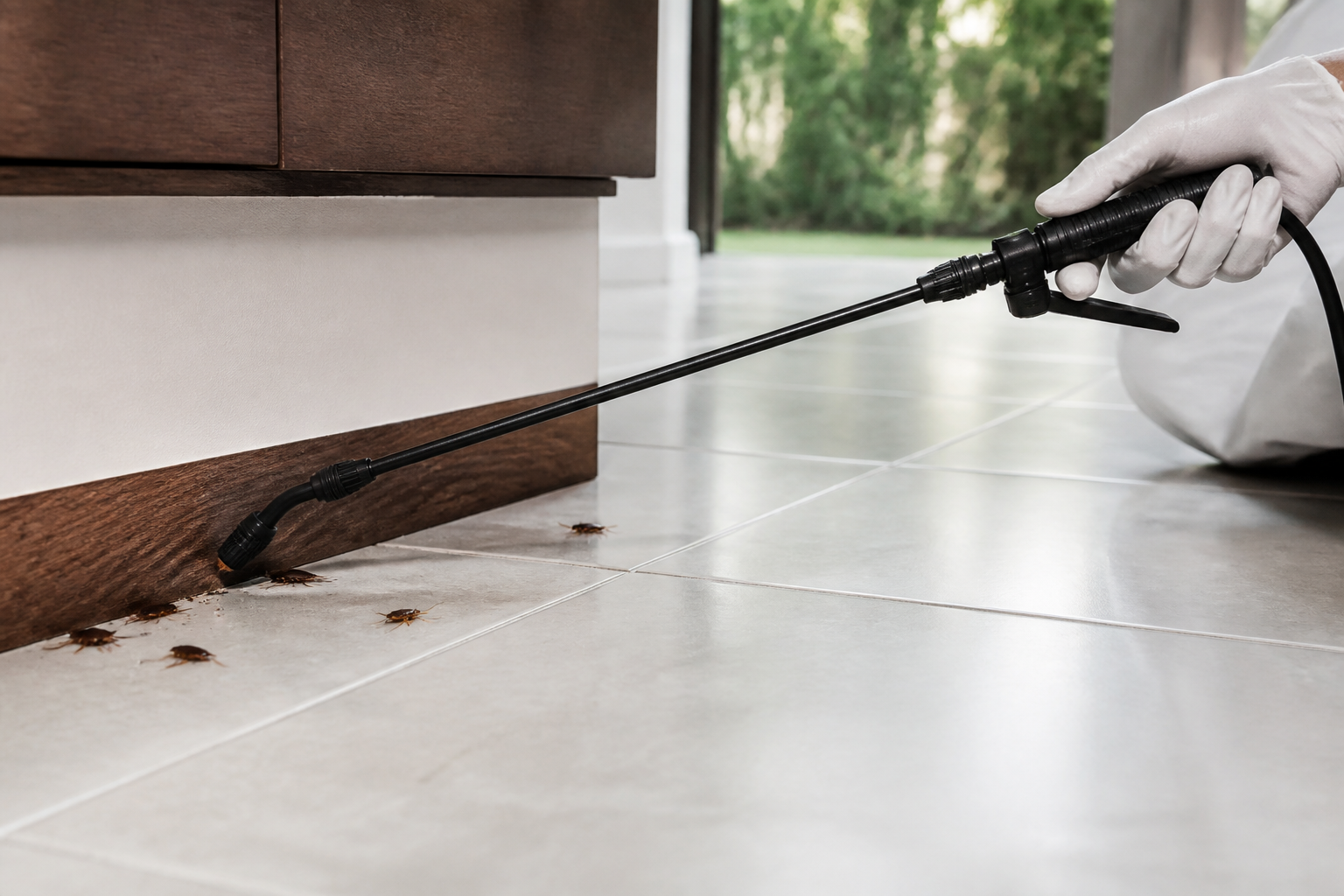
If you’re searching for “exterminator Oshawa,” you likely want two things: fast relief from pests and clarity on what you’re buying. This guide gives you a decision framework you can use with any provider, so you can compare quotes side by side, understand treatment choices, prepare your home effectively, and keep problems from coming back.
What exterminators do and why it matters
Professional exterminators diagnose the source of an infestation, choose appropriate control methods, and apply treatments safely and effectively. A solid service typically includes inspection, a targeted plan based on pest type and severity, and follow-up guidance. The goal isn’t just to remove visible pests—it’s to interrupt the life cycle and address the conditions that let pests thrive.
- Inspection: Identify species, map activity zones, and estimate population levels.
- Treatment plan: Choose methods matched to pest biology and your home’s layout.
- Communication: Explain preparation steps, safety precautions, and what to expect after treatment.
- Follow-up: Assess results and recommend next steps or preventative measures.
How to compare exterminator quotes in Oshawa
Quotes vary by pest type, home size, infestation severity, and treatment approach. To compare apples to apples, ask each provider to itemize the same elements. Use the checklist below when requesting and reviewing quotes.
What to include in your request
- Pest type(s) observed and where you’ve seen them
- Home details: square footage, number of floors, access points like attics or crawl spaces
- Timeline: how long you’ve noticed activity and any DIY steps you’ve already tried
- Household considerations: pets, sensitive individuals, or areas that need special care
What the quote should spell out
- Inspection details: what will be inspected and how long it typically takes
- Treatment plan: interior and/or exterior areas, products or methods, and any preparation required from you
- Number of visits: initial service plus any scheduled follow-ups
- Monitoring: traps, inspections, or other checks after treatment
- Exclusions: spaces or conditions not covered unless noted (e.g., inaccessible wall voids)
- Documentation: service report format and what it will include
Red flags when comparing
- Vague scope without specifying pests, areas, or methods
- No preparation instructions or safety guidance
- One-size-fits-all plans that don’t account for your property’s specifics
- Lack of follow-up or monitoring options
Treatment options explained
Understanding common approaches helps you interpret quotes and ask sharper questions. Below are typical components you’ll encounter for frequent household pests.
Bed bugs
- Inspection focuses on sleeping areas and adjacent rooms, with attention to seams, cracks, and furniture joints.
- Treatments may combine targeted applications, encasements, and follow-up inspections to disrupt life cycles.
- Preparation can include laundry on high heat, decluttering, and isolating beds from walls per provider guidance.
Cockroaches
- Inspection maps moisture sources and harbourage sites like kitchens and bathrooms.
- Control often uses baits and targeted applications in cracks and crevices, paired with sanitation steps.
- Monitoring with sticky traps helps confirm reductions between visits.
Ants
- Identification matters: different ants respond to different baits and strategies.
- Plans may include interior baiting and exterior perimeter treatments, plus exclusion recommendations.
- Food and moisture control is crucial for long-term results.
Spiders and wasps
- For spiders, removing webs, reducing outdoor lighting that attracts prey, and targeted treatments are common.
- For wasps, nest identification and careful removal methods are used; avoid disturbing nests before service.
Rodents
- Expect a mix of exclusion (sealing entry points), strategic trapping or baiting, and habitat modification.
- Follow-up visits are often scheduled to adjust placements and document results.
If you’re dealing with seasonal or less common invaders, you can review resources like other pests commonly treated in Oshawa homes or read about specific issues such as boxelder bug control.
Questions to ask before you book
Use these questions to assess clarity, professionalism, and fit for your situation.
- Inspection and identification: How will you confirm the pest species and locate nesting or harbourage areas?
- Treatment details: Which products or methods will you use, and why those over alternatives?
- Preparation: What do I need to do before and after service to maximize effectiveness?
- Access: Which rooms, utility spaces, or exterior areas will you need to reach?
- Visit schedule: How many visits are planned, and what occurs at each?
- Monitoring: What indicators will you track to measure success?
- Documentation: Will I receive a service report outlining findings and work performed?
- Limitations: Are there conditions or spaces that can’t be treated without additional steps?
- Safety: What precautions should household members and pets follow during and after treatment?
Preparing your home for a visit
Proper preparation helps the technician work efficiently and reach the right areas on the first visit. Always follow the specific instructions your provider gives you, and use the list below as a general starting point.
- Clear access: Move items away from baseboards, sinks, and utility areas. Unlock gates and provide keys or codes if needed.
- Reduce clutter: Bag loose items where instructed; clutter can shelter pests and block treatment.
- Kitchen readiness: Clean counters and floors, store food in sealed containers, and empty garbage before service.
- Laundry guidance: If advised for pests like bed bugs, launder textiles on the hottest safe settings and bag them after.
- Pet plan: Arrange temporary relocation or confinement as instructed and cover aquariums where appropriate.
- Ventilation: Be prepared to ventilate treated areas if recommended.
- Follow-up access: Keep traps and monitors undisturbed for accurate readings between visits.
Signs you need an exterminator now
Some problems escalate quickly or pose heightened concerns. Consider scheduling professional help promptly if you notice:
- Nightly bites or visible bed bug activity on beds and furniture
- Frequent roach sightings during the day or in multiple rooms
- Ant trails that persist despite cleaning and DIY baiting
- Active wasp nests on structures or in wall voids
- Rodent droppings, gnaw marks, or sounds in walls and ceilings
- Recurring infestations that return after short-term DIY measures
Avoiding reinfestation and maintenance
Even the best treatment plan benefits from everyday habits that reduce pest pressure. Build these steps into your routine:
- Food and waste: Wipe up crumbs promptly, store food in sealed containers, and take out garbage regularly.
- Moisture control: Fix leaks, run exhaust fans, and keep basements and bathrooms well ventilated.
- Exclusion: Seal gaps around pipes, doors, and windows; repair screens; and add door sweeps where needed.
- Yard care: Trim vegetation away from the home’s exterior and reduce debris that can shelter pests.
- Storage: Use lidded bins instead of cardboard and keep items off the floor where feasible.
- Monitoring: Periodically check known hotspots—under sinks, behind appliances, utility rooms, and attics.
For additional reading on professional pest management concepts, you can review an industry overview from A.R.D Pest Control.
FAQ
How many visits does pest control usually take?
It varies by pest and severity. Some issues can be addressed in a single comprehensive visit with monitoring, while others—such as bed bugs or established rodent populations—often involve an initial service plus one or more follow-ups. Ask your provider to outline the planned visit schedule and the goal for each appointment.
Is professional treatment safe for my family and pets?
Providers use products and methods according to their labels and safety guidance. You may be asked to leave treated areas for a period of time, ventilate rooms, protect aquariums, or relocate pets temporarily. Request written preparation and re-entry instructions and follow them closely.
Should I try DIY before calling an exterminator?
Basic sanitation, sealing entry points, and over-the-counter baits or traps can help with minor issues. However, widespread activity, biting pests, structural nesting, or repeated failures of DIY methods typically warrant professional assessment to identify sources and apply targeted treatments effectively.
What should a good inspection include?
A thorough inspection identifies the pest species, maps hotspots and harbourage, evaluates contributing conditions (such as moisture or clutter), and sets a baseline for monitoring. You should also receive preparation guidance and a plan that explains the steps and areas to be treated.
What if pests return after treatment?
Follow-up assessment helps determine whether you’re seeing normal post-treatment activity, new introductions, or untreated harbourage. Keep notes on where and when you see pests and share them with your provider; that information guides adjustments to methods, placements, or preparation.


