
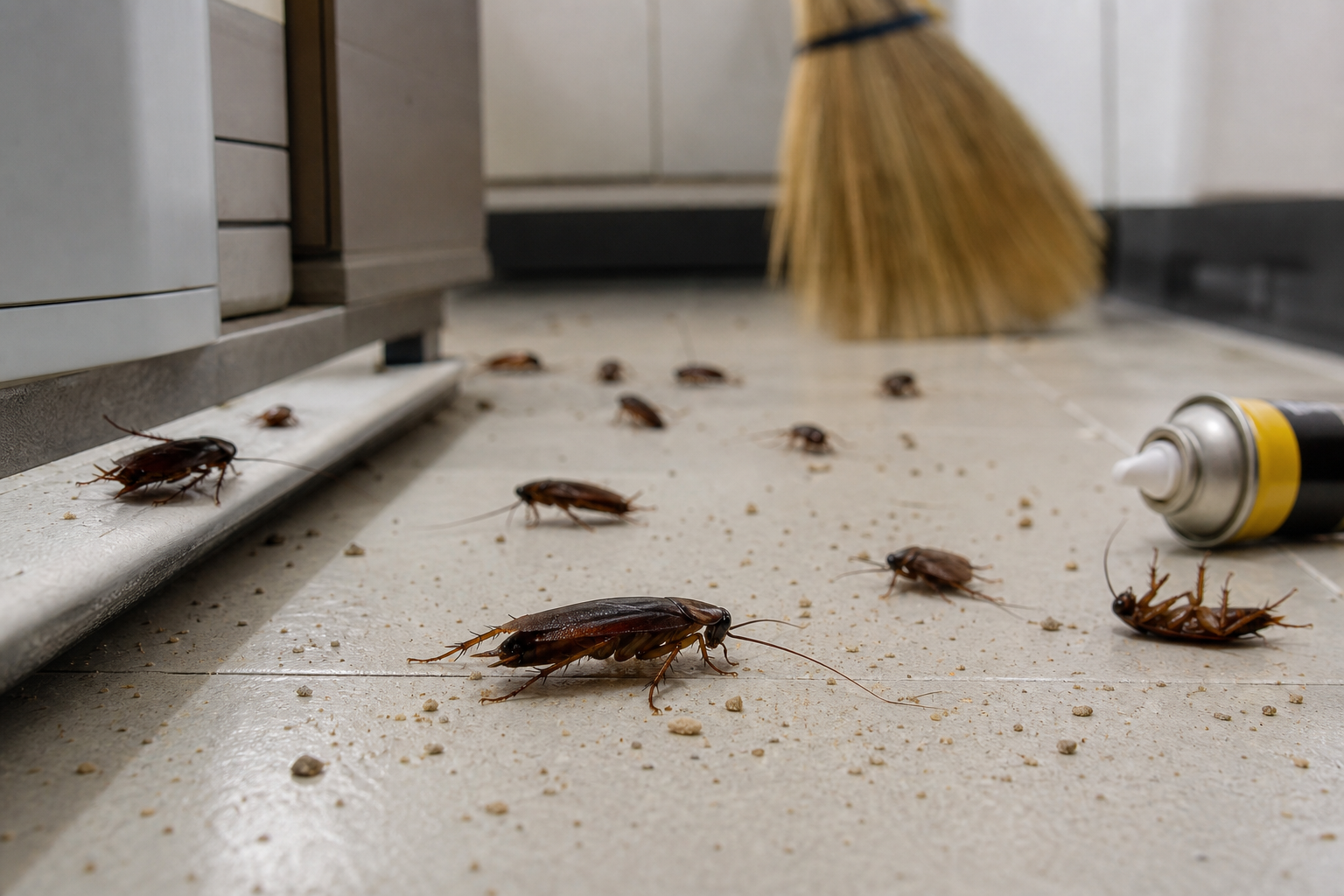
Cockroaches are persistent because they exploit small gaps in routines—missed crumbs, leaky pipes, poorly placed baits, and quick spray fixes. This guide highlights the most common mistakes homeowners make, why those missteps backfire, and what to do instead. You’ll come away with a clear plan you can apply methodically and safely to improve results over time.
Misidentification and underestimating the problem
Not all roaches behave the same, and numbers rarely stay static. Two common early errors are misidentifying the species and assuming you’re dealing with a small, isolated issue. Different species vary in preferred hiding spots, moisture needs, and typical travel routes. If you guess wrong, you can waste effort treating the wrong places or using the wrong formulations.
- German cockroaches: Often found in kitchens and bathrooms, especially near warm appliances and tight crevices. They reproduce quickly and require thorough, precise baiting and sanitation.
- American cockroaches: More associated with basements, utility areas, and drains; they roam farther and often signal moisture or structural access issues.
- Other species: Behavior and harborage vary, so the principle remains—observe where you actually see activity, frass (droppings), egg cases, and shed skins.
Correction: Before acting, gather evidence. Use sticky monitors along walls, behind appliances, inside under-sink cabinets, and near suspected harborage. Check them weekly. The pattern of captures tells you which rooms are active and helps separate an isolated visitor from a breeding population.
Overreliance on contact sprays
It’s tempting to chase visible roaches with aerosol sprays. Unfortunately, this can scatter insects deeper into walls, disrupt bait acceptance, and create a false sense of progress. Spraying baseboards or open surfaces where roaches rarely rest does little to impact the population in hidden harborages.
- Contact-only mindset: Prioritizing quick knockdown over long-term population reduction rarely eliminates infestations.
- Repellency conflicts: Some residues may deter roaches from eating baits placed nearby.
- Coverage gaps: Roaches spend much of their time in cracks and voids; broadcast sprays often miss these zones.
Correction: If you choose to use pesticides, always read and follow the product label exactly. Favor a bait-first strategy and reserve targeted, label-approved crack-and-crevice applications for well-defined harborages. Avoid spraying over or too close to baits.
Weak sanitation and moisture control
Even the best bait won’t win against a buffet of crumbs, grease, and accessible water. Another common mistake is focusing on products while overlooking the daily conditions that sustain roaches.
- Food sources left overnight: Pet bowls, snack plates, dish drainer scraps, and garbage lids left ajar.
- Grease films: Range hoods, stove sides, and the floor under appliances act as reliable feeding spots.
- Moisture: Dripping traps, sweating pipes, sponge caddies, and constantly damp mops are water stations.
Correction: Reduce what roaches need to survive. This raises bait value and weakens the infestation.
- Nightly reset: Wipe counters, sweep the floor, run the dishwasher or wash dishes, empty or seal garbage, and dry sinks.
- Appliance perimeter clean: Pull out the stove and refrigerator periodically to clean grease and food debris from sides and floors.
- Moisture fixes: Repair leaks, insulate sweating pipes, and store mops and sponges dry.
Poor baiting practices
Baits are powerful tools, but only when used and placed correctly. Common errors include using too much bait in a few spots, placing it on dusty or greasy surfaces, or setting it where residents will wipe it away during normal cleaning.
- Over-portioning: Large globs dry out faster and are easier for roaches to avoid.
- Bad placement: Baits on hot, greasy, or dirty surfaces lose palatability and effectiveness.
- Too few placements: Sparse applications miss key travel routes and harborages.
- Never rotating: If acceptance drops, some homeowners keep reapplying the same bait rather than trying a different formulation as directed by labels.
Correction: Think “many small, near the nest and on the route.” Apply small bait spots or beads in numerous discrete locations—inside cabinet corners, hinge areas, under sinks, along the back edges of shelves, behind and beneath appliances where label allows, and in other protected crevices. Keep bait off recently cleaned-with-chemicals surfaces and away from heat. Revisit and refresh as needed per label directions.
Ignoring entry points and structural gaps
Kitchens and bathrooms are full of tiny openings that allow roaches to commute between wall voids and food or water. A frequent mistake is tackling only the insects you can see without closing the door on the ones you don’t.
- Unsealed penetrations: Gaps where plumbing or wiring enters walls and cabinets.
- Loose escutcheon plates and kick plates: Easy hideouts and routes.
- Broken weatherstripping and threshold gaps: Ground-level access for larger species.
Correction: After your first monitoring pass, seal what you can safely access. Use appropriate sealants or gaskets for small cracks, wall penetrations behind sinks, and cabinet junctions. Fit door sweeps and repair torn screens. This both blocks new arrivals and concentrates existing roaches near remaining openings where your baits and monitors are placed.
Skipping monitoring and documentation
Another widespread mistake is treating by guesswork. Without a baseline and follow-ups, you won’t know whether you’re winning, where to intensify efforts, or when to stop.
- No baseline: Starting treatments without trap counts or hotspot mapping leads to inefficient placement.
- No schedule: Infrequent checks allow rebounds to go unnoticed.
- No notes: Relying on memory instead of a simple log makes it hard to spot trends.
Correction: Use a simple, repeatable system.
- Map hotspots: Number each monitor location and mark it on a quick sketch of the room.
- Weekly checks: Record captures per location. Refresh or relocate traps to tighten coverage.
- Bait log: Note where and when you applied bait and when you refreshed it. Correlate with trap trends.
Unsafe or improper DIY chemical use
Using more product than directed, mixing incompatible products, or applying them in the wrong places can be unsafe and counterproductive. Overapplication may also increase residues in areas where people and pets spend time.
- Ignoring labels: Directions and precautions exist for a reason; they describe where, how much, and how often to apply.
- Indiscriminate foggers: Total-release foggers seldom reach harborages, can contaminate surfaces, and may be hazardous if misused.
- Children and pets: Bait placements and any pesticide use must account for curious hands and paws.
Correction: Follow every product label exactly and choose child- and pet-inaccessible placements. If anyone in the home is sensitive to chemicals, or if you are unsure how to apply a product safely, consult a qualified professional. This guide is for general information only and is not a substitute for professional advice or for reading and following product labels.
Expecting overnight elimination
Impatience often leads to over-treating, moving baits too soon, or abandoning a sound plan. Even well-targeted programs usually require multiple weeks of consistent sanitation, bait maintenance, and monitoring to show a sustained drop.
- Too soon to judge: Baits may need time to circulate through the population.
- Inconsistent routines: Skipping the nightly reset or letting leaks persist can undo progress.
- Stopping early: Halting efforts after the first quiet week risks a rebound.
Correction: Set realistic timelines. Keep the system running until traps show near-zero captures for several consecutive checks. Then transition to a preventive rhythm of sanitation, exclusion, and periodic monitoring.
A simple recovery framework
Use this step-by-step approach to correct common mistakes and build momentum. Adapt it to your home’s layout and the evidence you find.
- Survey and stage. Declutter under sinks and inside lower cabinets. Vacuum cracks and crevices with a crevice tool to remove debris, shed skins, and egg cases. Place sticky monitors along baseboards, behind appliances, inside sink cabinets, and at pantry kick plates.
- Baseline and map. After 3–7 days, record trap counts and mark hotspots on a simple sketch. Identify rooms with the highest captures and the likely harborages (warm motors, tight hinges, wall penetrations).
- Sanitation reset. Do a deep clean focusing on food, grease, and moisture. Pull appliances where safe, clean drip pans and floor edges, degrease stove sides and hood filters, and repair any leaks. Establish a nightly routine to starve the infestation.
- Bait placement. Apply small bait spots in many discrete locations near identified harborages and along travel routes, following label directions. Keep bait off hot, greasy, or recently cleaned chemical surfaces and out of reach of children and pets.
- Exclusion. Seal cracks, wall penetrations, loose escutcheon plates, and kick plate gaps you can access safely. Add door sweeps where needed.
- Targeted follow-up. Recheck monitors weekly. Refresh or rotate baits as directed if acceptance drops. Consider label-approved crack-and-crevice applications only to specific, high-activity voids—never over baits or in open areas where not permitted.
- Evaluate trend. Look for a week-over-week decline in trap counts and sightings. Maintain the routine until captures stay near zero for several weeks.
- Prevention rhythm. Once controlled, keep a few monitors in place, repeat the nightly reset, and inspect quarterly for new gaps or moisture issues.
Signals you need extra help
Some situations require additional expertise, tools, or time you may not have. Consider reaching out to a qualified professional if any of the following apply:
- Activity persists despite several weeks of correct baiting, sanitation, and monitoring.
- You’re finding egg cases and nymphs across multiple rooms, suggesting widespread harborages.
- There are structural or moisture problems you cannot access or repair safely.
- There are health sensitivities in the household that make DIY pesticide use inappropriate.
- You need a comprehensive plan for multi-unit housing where adjoining units complicate control.
If you decide to seek help, ask clear questions: What will the inspection cover? Which methods and placements will be used? How will progress be measured? What preparation is required of you, and how will follow-ups be scheduled?
FAQ
How long should I give a baiting program before judging results?
With good sanitation and strategic placements, you should see fewer sightings within 1–2 weeks and a clear decline in trap counts over several weeks. Keep monitoring and maintaining until captures remain near zero for multiple checks before scaling down.
Can I use sprays and baits together?
Yes, but placement and timing matter. Sprays can interfere with bait acceptance if applied on or too near baited areas. If you use a spray, limit it to label-approved crack-and-crevice applications in specific harborages and keep it away from bait placements. Always follow product labels exactly.
What if I only see roaches at night?
That’s typical. Use nighttime sightings to guide where you place monitors and baits the next day—along their routes to food and water. Even if you rarely see them in daylight, trap captures and signs (droppings, egg cases, shed skins) will reveal active zones.
Do I need to throw out kitchen items if I have roaches?
Not usually. Wash and dry dishes and food-contact items before use, store food in sealed containers, and clean cabinets where you find activity. Focus on eliminating food, water, and access while deploying baits correctly. Discard only items that are water-damaged, heavily soiled beyond cleaning, or otherwise unsafe to keep.
How do I keep roaches from returning after I’ve controlled them?
Maintain a simple prevention rhythm: nightly kitchen resets, quick leak repairs, periodic deep cleans under and behind appliances, sealed food storage, door sweeps where needed, and a few monitors checked monthly. Early detection and fast correction prevent small introductions from becoming infestations.
Next steps
A practical next step
To discuss the options that apply to your situation, contact Bugman Plus and request the relevant details before moving forward.


