
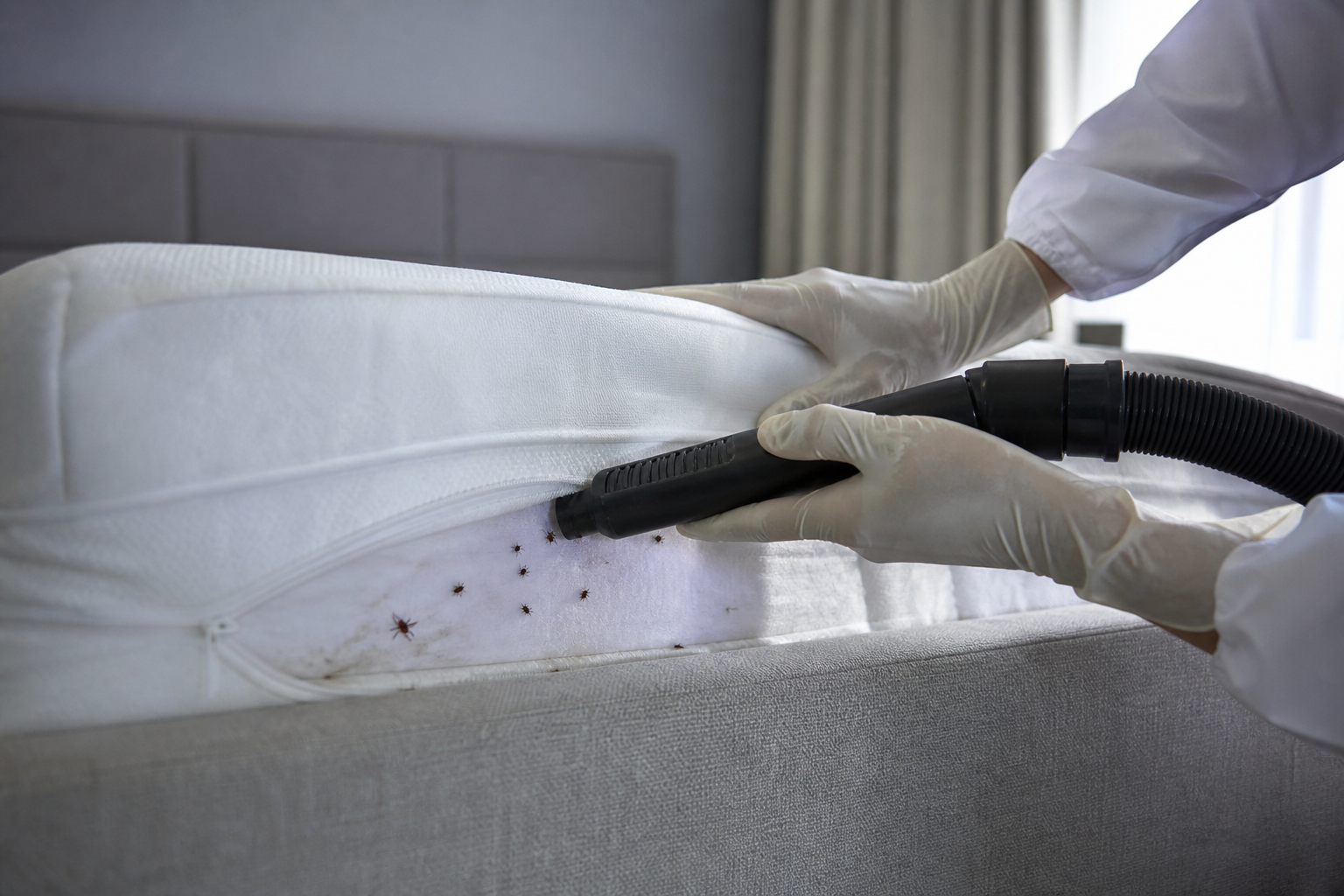
If you’re dealing with bed bugs, the most useful question isn’t “Which product is best?” It’s “Which bed bug treatment methods fit my situation, and in what order should I use them?” Bed bugs hide well, move easily between rooms and furniture, and can survive weeks without feeding. That’s why isolated tactics often disappoint. This guide explains the core methods available, what each does well, where they fall short, and how to combine them into a sequence that clears bugs, contains spread, and confirms results.
Understand bed bugs and why they persist
Before choosing a treatment path, it helps to know what you’re up against. Bed bugs typically shelter close to where people rest: mattress seams, box springs, bed frames, headboards, nearby baseboards, and upholstered furniture. They are small, flat, and adept at squeezing into tight cracks. Eggs are tiny and often cemented onto rough surfaces, which makes them stubbornly resistant to casual cleaning.
Key implications for treatment:
- You need direct contact or sustained lethal conditions (such as sufficient heat) to kill all life stages, including eggs.
- One-time actions rarely finish the job. Success comes from repetition and layering methods that serve different purposes: removal, isolation, and residual control.
- Monitoring is not optional. Interceptors and inspections tell you what’s working and when you’re truly clear.
Proven non-chemical methods
Non-chemical options are the backbone of most plans because they reduce population and limit spread without relying on products. They’re also helpful in sensitive environments.
Vacuuming
Use a vacuum with a crevice tool to target visible bugs, cast skins, and debris along mattress seams, bed frames, couch folds, and baseboards. Work slowly and deliberately. Immediately seal and dispose of vacuum contents outdoors. Vacuuming won’t reach deep cracks or eggs adhered to surfaces, but it quickly reduces live bugs.
Laundering and heat-drying
Bag up bedding, clothing, and washable soft goods before moving them through the home. Wash on a hot cycle when possible and dry on high heat long enough that items are thoroughly heated. Heat from a dryer is valuable because it reaches into folds and seams. After drying, place clean items into sealed bags or bins to keep them bug-free while you continue room treatments.
Mattress and box spring encasements
Encasements trap any bugs already inside a mattress or box spring and remove their harborage value. They also simplify inspection: any new activity becomes easy to spot on the smooth, light-coloured surface. Choose encasements designed to be bed bug-proof and keep them on long-term.
Bed isolation and interceptors
Pull the bed slightly away from walls and keep linens from touching the floor. Place interceptor cups under each bed leg to capture bugs attempting to climb up or down. Interceptors both reduce bites and provide data—counting what you catch helps you track progress across weeks.
Decluttering and sealing
Clutter creates hiding spots and makes any treatment less effective. Reduce items around sleeping and seating areas. For necessary belongings that cannot be laundered, consider sealing them in bags or bins for several weeks while active treatments proceed. Seal obvious cracks and crevices around baseboards and bed frames to remove harborage over time.
Targeted steam
Dry steam (low moisture, high temperature at the tip) can kill bugs and eggs on contact when applied slowly to seams, tufts, and cracks. Move the nozzle at a pace that lets heat penetrate but avoids blowing bugs away. Steam is technique-sensitive and offers no residual effect, so combine it with other measures.
Chemical and product-based methods
Products can add reach and staying power to a plan when applied thoughtfully and according to label directions. Always read and follow all label instructions, and keep people and pets out of treated areas until re-entry guidance on the label is met.
Residual sprays
Residual sprays are typically applied to cracks, crevices, and voids near sleeping and sitting areas—not on mattresses unless the label specifically allows it. Their value is in leaving a treatment zone that continues to affect bugs moving through later. They don’t replace direct-contact methods for eggs hidden deep in seams.
Dust formulations
Insecticidal dusts can be applied lightly into voids, wall outlets (where permitted), and furniture joints using appropriate dusters. They can persist longer than sprays in dry areas. Over-application reduces effectiveness and may create messes or risks, so a little goes a long way. Avoid applying dust where it can become airborne in living spaces.
Direct-contact aerosols or foams
Some products are designed for spot-treating active harborages you can see and access. They provide quick knockdown but little residual, so they’re best used as part of an integrated approach alongside residuals, encasements, and monitoring.
Important limitations:
- No product reaches every hidden egg. Plan multiple follow-ups.
- More product is not better. Precision beats saturation; always follow the label.
- Combining incompatible products or using off-label sites can be unsafe and counterproductive.
Whole-home options and when to use them
Some infestations are widespread or embedded in heavy furniture and multiple rooms. In those cases, household-scale methods can help.
Whole-room or structure heat
Heat treatment aims to raise contents and structural elements to lethal temperatures for a sustained period. Its strength is reach: heat penetrates many hiding places and can affect eggs when properly delivered. However, heat must be even and monitored; cool spots can let pockets of bugs survive. Preparation—like decluttering, opening furniture seams where safe, and removing heat-sensitive items—is essential for consistent results.
Freezing of small items
Some belongings that can’t be laundered may be placed in a freezer for a sufficient duration to ensure the core of the item reaches lethal cold. This is most practical for small, bagged items and is a supplement, not a whole-home solution. Avoid cycling items in and out too quickly; temperature must reach the core.
Preparation and sequencing checklist
Successful bed bug treatment is part execution, part choreography. Use this sequence to keep actions in the right order and prevent re-infestation of cleaned areas.
- Confirm and map activity. Inspect beds, sofas, and nearby baseboards. Note rooms and items with signs: live bugs, cast skins, dark spotting on seams, or interceptor captures.
- Stage containment. Before moving anything, set up interceptor cups under bed legs and reposition the bed away from walls. Have bags ready for laundry and items.
- Bag and launder soft goods. Seal items before transport. Wash hot when suitable and dry on high heat thoroughly. Store cleaned items sealed.
- Vacuum and steam targets. Focus on seams, tufts, bed frames, headboards, couch folds, and baseboards. Dispose of vacuum contents outdoors immediately.
- Install encasements. Cover mattresses and box springs with bed bug-proof encasements to lock in stragglers and simplify future checks.
- Apply products where appropriate. Treat cracks, crevices, and voids according to label directions. Use light, precise applications; allow for drying and re-entry per label guidance.
- Reduce harborages. Declutter sleeping and seating zones; seal accessible cracks over time.
- Schedule follow-ups. Re-inspect and re-treat as needed at intervals to address any late hatchers. Keep records of where and when you applied methods.
- Verify with monitoring. Track interceptor counts weekly. A steady decline toward zero captures across several checks is a good sign of progress.
Monitoring and verification
Without monitoring, it’s easy to mistake a quiet week for success. Build in verification steps:
- Use interceptors continuously. Keep cups under bed and sofa legs throughout treatment and for weeks after the last observed activity.
- Log captures and sightings. Note dates, rooms, and counts. Trends matter more than single data points.
- Re-check encasements and frames. Look for new spotting or live bugs along zippers and seams during weekly inspections.
- Revisit hot spots. If interceptors show consistent captures at one leg or one room, concentrate steam, vacuuming, and label-directed treatments there first, then expand outward.
Common mistakes to avoid
- Skipping preparation. Treating over clutter or skipping laundry undermines every other step.
- Spreading infestation during cleanup. Carrying unbagged bedding through the home can seed new areas. Bag first, then move.
- Over-reliance on a single tactic. Steam without isolation, or sprays without monitoring, usually leads to reappearance.
- Misapplying products. Off-label use can be unsafe and ineffective. Precision and patience beat heavy application.
- Stopping too soon. Eggs can hatch after initial success. Plan multiple follow-ups and keep interceptors in place.
When to seek help
DIY methods can resolve early, localized problems if you have the time and tools to execute thoroughly. Consider bringing in a qualified pest control provider if you notice bites or captures in multiple rooms, continued interceptor activity after several treatment cycles, or if the preparation and follow-up schedule isn’t practical for your household. A professional can integrate multiple bed bug treatment methods efficiently and adjust tactics based on what monitoring reveals.
FAQ
How long does it take to eliminate bed bugs?
Timeframes vary with the size and spread of the infestation, how consistently you prepare and follow up, and which methods you use. Because eggs can hatch later, plan on multiple cycles of treatment and monitoring over several weeks. Interceptor counts trending to zero across consecutive checks is a more reliable milestone than the calendar alone.
Can I get rid of bed bugs without chemicals?
Yes, some infestations can be addressed with non-chemical measures like thorough vacuuming, laundering, encasements, bed isolation, interceptors, and targeted steam. Persistence and careful sequencing are crucial. For more entrenched activity, adding appropriately used products or considering heat options can increase reliability.
Do I need to throw away my mattress?
Not necessarily. Encasements can trap bugs inside a mattress or box spring and make future checks straightforward. Discarding infested furniture without sealing it can spread bugs to hallways or vehicles and is usually avoidable with proper treatment and isolation.
Why are interceptors important if I’m already treating?
Interceptors provide objective data. Even if you don’t see bugs during the day, captures reveal whether bugs are still attempting to reach the bed. Monitoring informs where to focus follow-ups and when you can reasonably consider the problem under control.
Are bed bug products safe for pets and children?
Safety depends on the specific product and correct use. Always read and follow label directions, apply only to labeled sites, and observe re-entry intervals. Store products securely and consider non-chemical options in areas where sensitive individuals spend time.
A practical next step
To discuss the options that apply to your situation, contact Bugman Plus and request the relevant details before moving forward.


