
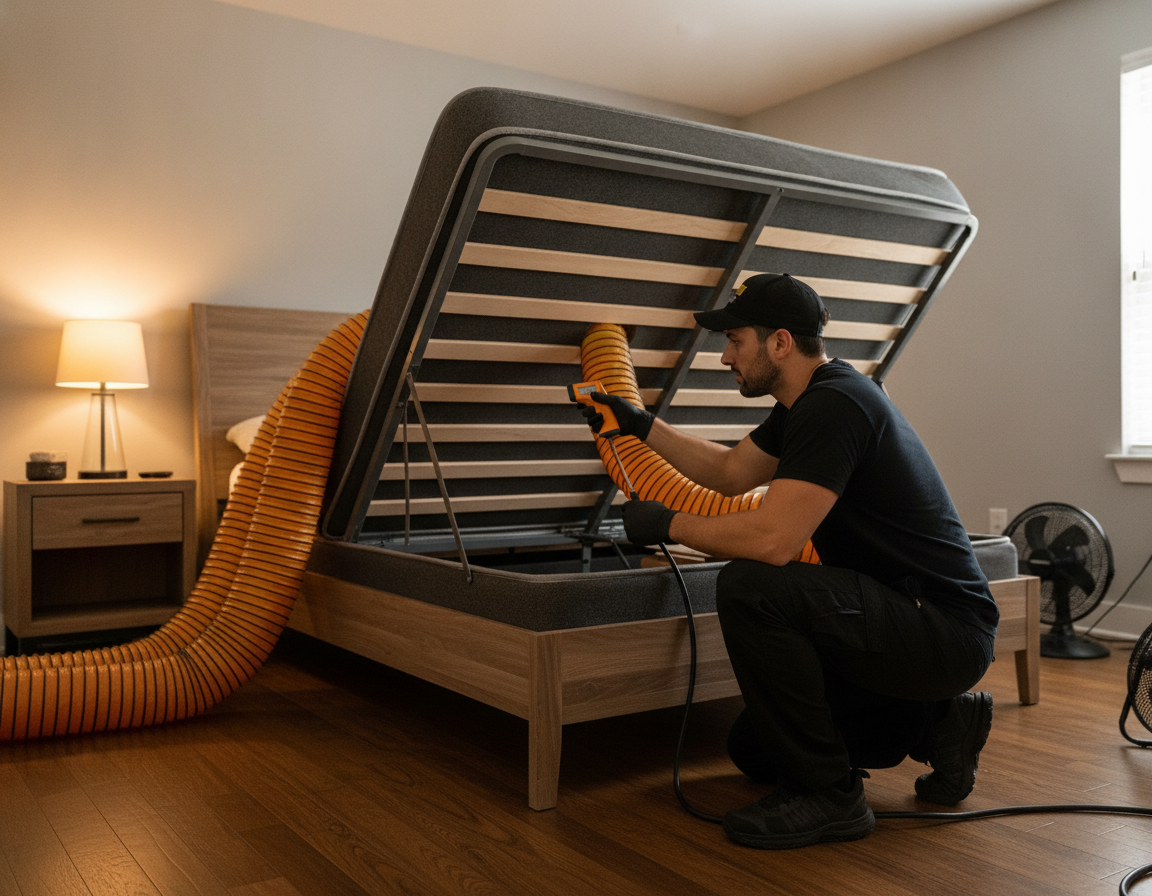
Bed bug heat treatment vs chemical compares whole-home thermal remediation to professional insecticide programs. Heat eliminates all life stages in one service when contents reach lethal temperatures. Chemical treatments build residual protection over weeks with inspections and follow-ups. For Oshawa homes and apartments, the right choice depends on spread, access, and reintroduction risk.
By Bugman Plus • Last updated: 2026-07-12
Quick answer: Choose heat for heavy, room-wide bed bug activity when you need a fast reset in a single day. Choose a professional chemical program to create long-lasting protection in multi-unit buildings where reintroductions are common. Many Oshawa cases use both: heat to knock down, chemicals to prevent bounce-back.| Service area | Oshawa (residential bed bug extermination) |
|---|---|
| Warranty | 3‑month warranty on interior treatment programs |
| Hours | Open 24/7 |
| Average rating | 5.0 (recent Google reviews) |
| Get help | Request a bed bug quote |
Local tip for Oshawa residents
In Oshawa’s older brick walk-ups and dense condo towers, logistics decide speed. Book elevator time early, clear airflow around beds and sofas, and expect management checks. Near Kendalwood Park Plaza or Whitby Mall, plan prep the evening before so a same‑day heat service stays on schedule.
Overview
Heat treatment raises room contents to lethal temperatures in one visit, while chemical programs use targeted insecticides and dusts with follow-ups for lasting protection. We match methods to infestation size, home type, and reintroduction risk, often combining both for speed plus staying power.
If you’re losing sleep, embarrassed, or worried about bagging every item—take a breath. Our Oshawa team handles the heavy lifting and keeps prep simple.
- Understand how heat and residual insecticides actually work.
- See a head‑to‑head comparison tailored to Oshawa home types.
- Know when we recommend heat, chemicals, or a combined plan.
- Preview our step‑by‑step treatment so you know what to expect.
- Learn who to hire: our top pick plus well‑known alternatives.
Want our background and approach? Meet the team on our About page and browse all Bugman Plus services.
Local considerations for Oshawa
- High‑rises and condos: Management may require multi‑unit coordination and proof of prep; residual treatments are often favored for long‑term protection.
- Older detached homes: Insulation pockets and baseboards can create heat shadows; we add extra sensors and circulation to ensure lethal temperatures.
- Transit and travel: Commuter patterns raise reintroduction risk; pairing heat with residuals and monitors reduces bounce‑back.
Quick Answer: Which Treatment Is Right for You?
Use heat for widespread activity across beds, sofas, and baseboards where you want a one‑day reset. Choose a chemical program for persistent introductions from neighbors or travel, leveraging residual protection. In many Oshawa homes, the best plan is combined: heat to knock down, then targeted residuals.
- Pick heat if bites occur nightly in multiple rooms, you see live bugs or clusters of fecal spots, or furniture has tight seams and tufts.
- Pick chemicals if you’re in a multi‑unit with recurring introductions, limited prep access, or sensitive electronics you prefer not to heat.
- Pick both if you need speed now and staying power for the next 60–90 days.
How Each Method Actually Works
Heat treatment uses industrial heaters and fans to bring room contents above lethal thresholds, monitored by sensors. Chemical treatment applies targeted insecticides and dusts to harborages and travel paths, then follows with inspections to maintain residual protection and interrupt reintroductions.
Numbers matter. The U.S. EPA frames both methods under integrated pest management (IPM).
- Heat (thermal remediation)
- We seal, circulate, and heat rooms; contents are brought into lethal range with multiple sensors for verification.
- One extended service window; reentry after cooling and safety checks.
- Excellent for dense bedroom and sofa harborages where eggs hide in seams.
- Chemical (residual program)
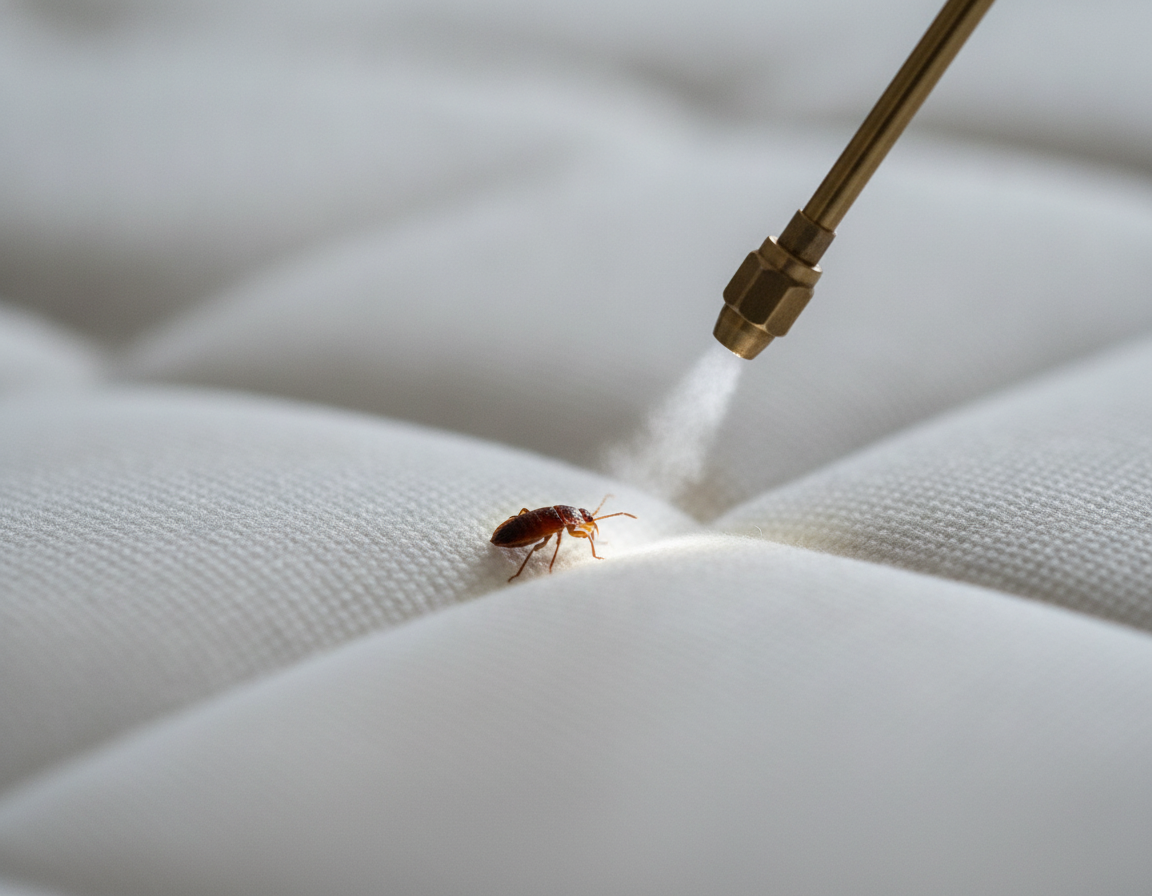
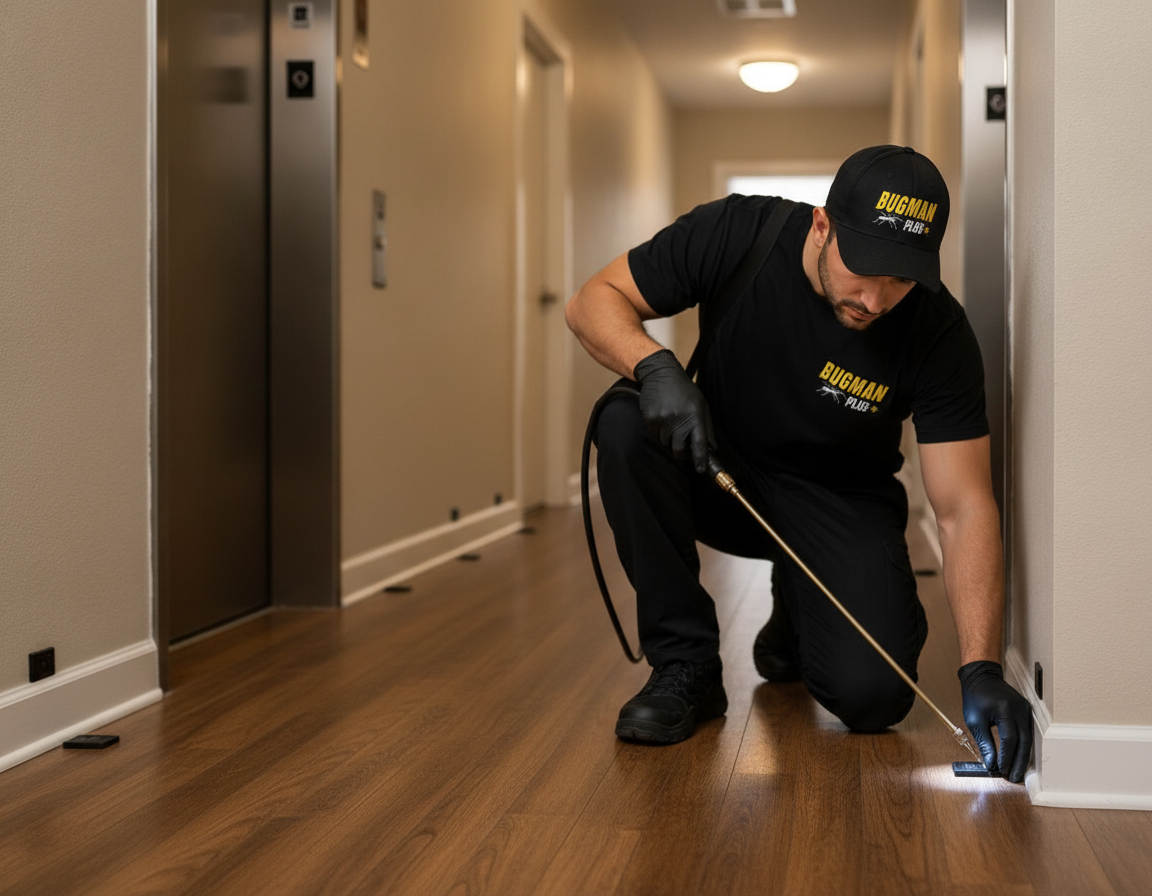
- We inspect, then apply professional residuals and desiccant dusts to seams, baseboards, outlets, and encasements.
- Non‑repellent actives help bugs contact product rather than avoid it—useful in multi‑unit buildings.
- Follow‑ups confirm reduction, retreat hotspots, and extend residual coverage.
| Factor | Heat | Chemical |
|---|---|---|
| Speed | One service for full knockdown | Multiple visits; builds protection over time |
| Eggs | Eliminated when contents reach lethal range | Controlled via follow‑ups and residuals |
| Reintroduction | No residual; pair with monitors/chemicals | Residual barrier reduces bounce‑back |
| Access limits | Needs prep, airflow, and power | Works where heaters aren’t practical |
Head-to-Head Comparison: Heat vs Chemical for Bed Bugs
Heat is best for fast, whole‑room elimination; chemicals excel at long‑term suppression and preventing reintroductions. The strongest results in Oshawa often come from a combined plan: heat first to reset rooms, followed by targeted residual treatments and monitoring to hold gains.
- Effectiveness: Heat reaches eggs and hidden stages in a single window; chemicals interrupt life cycles over several weeks.
- Safety: We follow manufacturer and building guidelines; residents return after safety checks and ventilation.
- Logistics: Heat needs cleared airflow and power; chemicals need reentry intervals and follow‑ups.
- Fit by home type:
- Condos/apartments: Residuals reduce neighbor‑to‑neighbor spread; hallway monitors help early detection.
- Older detached homes: Heat excels if we manage insulation pockets and alcoves with extra circulation.
Large chains such as Orkin Canada and Abell often start with multi‑visit chemical programs—rock‑solid for suppression in multi‑unit settings. We lean heat‑first in detached homes needing a one‑day reset, then layer residuals to deter reintroductions. Either path works when matched to your building and risk.
Authoritative guidance supports both methods under IPM. EPA’s bed bug pages for inspection and follow‑up.
When Bugman Plus Recommends Heat Treatment
We recommend heat when activity spans multiple rooms, furniture shows clustered harborages, and you want a one‑day reset. It’s also our pick when residents need minimal product exposure and fast return to use, provided building logistics allow safe, even heating.
- Best scenarios
- Bedrooms and living rooms with visible fecal spots, cast skins, and live activity.
- Thick, tufted mattresses and sofas where eggs hide deep in seams.
- Single‑family homes where we can optimize airflow and power.
- Our process
- Pre‑inspection and prep briefing; we protect sensitive items and improve airflow.
- Heaters, fans, and multiple sensors to bring contents into lethal range and verify dwell.
- Verification, ventilation, and practical prevention tips before we leave.
When Chemical Treatment Is the Better Call
We favor a chemical program in multi‑unit buildings with recurring introductions, units with limited prep access, or where sensitive electronics make heating impractical. Residual products and dusts continue working between visits, reducing the chance of a rebound.
- Best scenarios
- Condos or rentals with adjacent‑unit pressure and shared walls.
- Limited elevator time or building rules that constrain heater setup.
- After travel seasons when repeated introductions are likely.
- Our process
- Detailed inspection and mapping of harborages and travel paths.
- Targeted applications to seams, baseboards, outlets, and encasements using non‑repellent residuals and desiccant dusts.
- Follow‑up visits to measure reduction and extend residual coverage.
Not sure which path fits your home? We’ll assess your layout, prep constraints, and reintroduction risk, then recommend heat, chemicals, or both. Start with a fast bed bug quote or speak with our team.
Providers Compared: Our Top Pick + Alternatives
Bugman Plus is our top pick for Oshawa homeowners who want a warranty‑backed interior program and a clear decision framework. Large national brands offer scale, while regional specialists add niche options. Compare methods, fit, and support before you book.
| Provider | Methods | Best for | Warranty/Notes |
|---|---|---|---|
| Bugman Plus (Top Pick) | Heat, chemical, combined plans | Oshawa homes and apartments needing local, fast response | 3‑month warranty on interior treatment programs |
| Orkin Canada | Integrated programs | Nationwide coverage and scheduling scale | Policies vary by service |
| Abell Pest Control | Integrated programs | Commercial and residential mix | Policies vary by service |
| Terminix Canada | Integrated programs | Large provider networks | Policies vary by service |
| Truly Nolen Canada | Integrated programs | Multiple pest categories | Policies vary by service |
| Pestend Pest Control | Integrated programs | GTA‑focused service areas | Policies vary by service |
| Gunter Pest & Lawn | Educational comparison content | Understanding pros/cons | Reference material |
| Green Thermal Solutions | Regional heat expertise | Nearby heat‑focused cases | Reference material |
| Convectex | Heat equipment manufacturer | Technical information | Reference material |
Why we’re the top pick for Oshawa: local, fast scheduling; a clear decision framework; and a 3‑month warranty on interior treatment programs. National providers bring scale and coverage, while regional specialists contribute niche tactics. Choose the fit that matches your building logistics and timeline.
See our full menu on the Bugman Plus services page, reach us through the contact page, or request a quote if you need coordination with building management.
What to Expect From a Bugman Plus Bed Bug Treatment
Expect a thorough inspection, a clear prep checklist, and either a one‑day heat reset, a multi‑visit residual program, or both. We document findings, align with building rules, and back interior programs with a 3‑month warranty so results stick.
- Assessment: Interview, inspection, and risk mapping for reintroduction sources.
- Decision: Heat, chemicals, or combined—based on spread, access, and building policies.
- Treatment: Safe, method‑specific setup and verification.
- Follow‑up: Monitoring and targeted retreatment where needed.
- Prevention: Encasements, interceptors, and travel hygiene coaching.
Have other pests too? Our team also handles cockroach, ant, spider/wasp, and rodent control, and we can phase services to avoid cross‑interference. If you’re exploring seasonal invaders or ant control cost considerations, ask during your walkthrough and we’ll point you to the right guidance.
FAQ
Most Oshawa homes choose heat for a fast reset or a combined plan for speed plus residual protection. Chemical‑only programs fit recurring introductions, especially in multi‑unit buildings. Here are direct answers to common questions.
Will heat treatment kill bed bug eggs in one visit?
Yes—when contents are brought into the lethal temperature range and monitored across the room, heat eliminates eggs and active stages in a single service. We place multiple sensors to verify coverage and adjust airflow to remove cool pockets before we finish.
Why would I choose a chemical program instead of heat?
Chemical programs build residual protection that keeps working between visits—useful in multi‑unit buildings or for frequent travelers. They’re also practical where heater placement, power access, or building rules make heating difficult. Non‑repellent residuals help bed bugs contact the product rather than avoid it.
Can I combine heat and chemical treatments?
Yes. Many successful plans start with heat for a rapid reset, then add targeted residual products and monitors. This approach knocks down current activity and reduces the chance of reintroduction from neighboring units or luggage—especially helpful in busy buildings.
How soon can I use rooms after service?
After heat, you can reenter once temperatures normalize and safety checks are complete. After chemical applications, respect labeled reentry intervals. We’ll give you a simple, room‑by‑room reentry guide and what to do if you travel shortly after service.
Methodology
- Fast reset: heat excels for multi‑room activity and egg elimination.
- Staying power: residuals protect between visits—vital in multi‑unit buildings.
- Best of both: heat first, residuals after, plus monitors.
- Ready to move: request your bed bug quote, see our services, or talk with our team.


