
What bed bug heat treatment means and why it matters
Plain definition
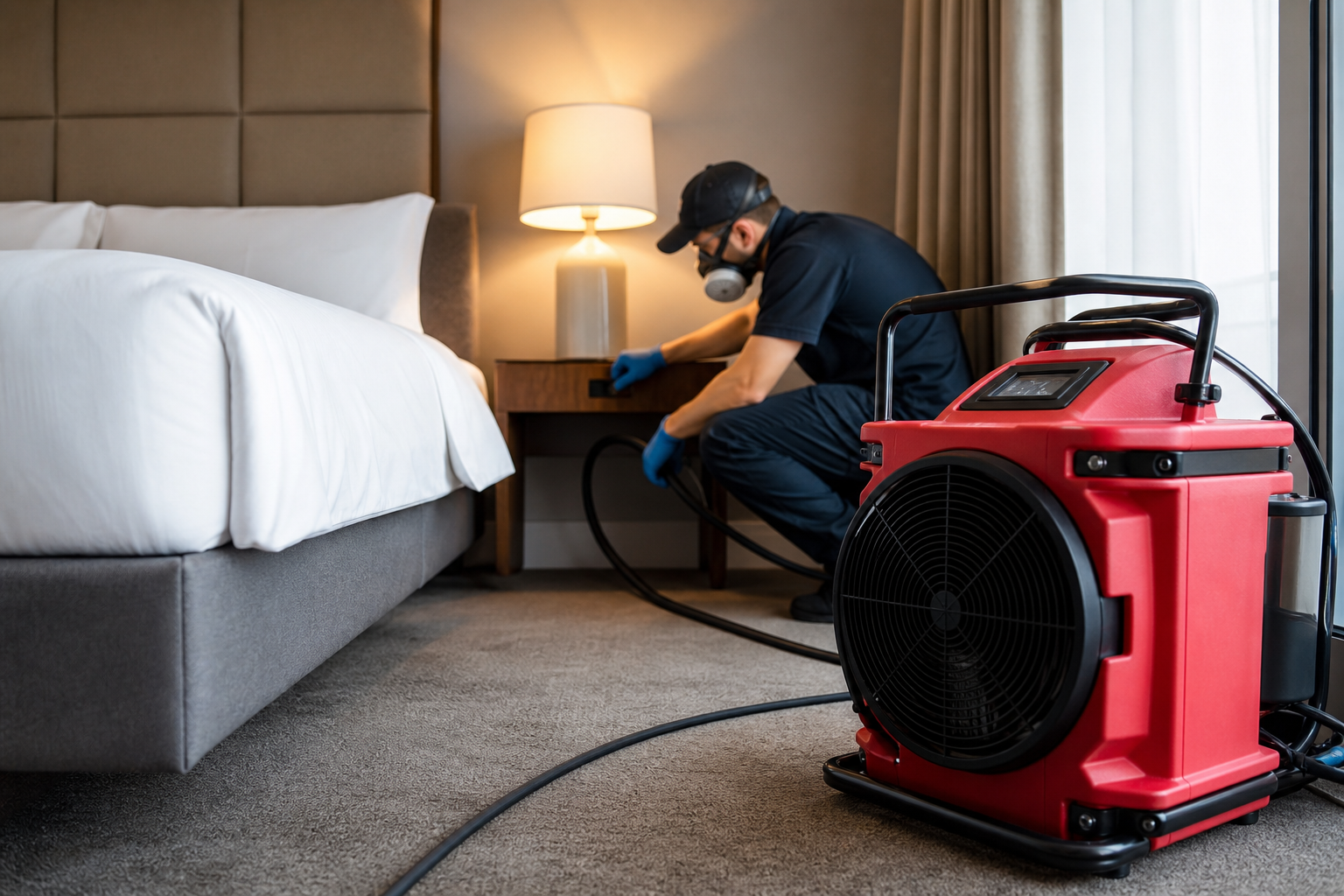
Bed bug heat treatment is a professional pest control method that uses controlled, elevated temperatures to eliminate bed bugs and their eggs in a home or specific areas. Rather than relying on insecticide residues, trained technicians use heaters, fans, and monitoring equipment to raise temperatures in rooms or an entire structure to levels intended to be lethal to bed bugs and their life stages.
Why homeowners choose heat treatment
Homeowners often consider heat treatment for reasons such as speed, reduced use of pesticides, and whole-room or whole-structure treatment capability. Public health guidance notes that heat and steam are among recognized options for bed bug control, and that bed bug infestations are difficult to eliminate without professional help; Health Canada strongly recommends hiring a licensed pest control operator for infestations rather than relying on do-it-yourself attempts (Health Canada guidance).
How heat treatment works at a high level
What professionals do during a heat treatment
Technicians bring specialized heaters, air movers, and temperature sensors into the home. They place equipment to circulate heated air and monitor temperatures at multiple points. The goal is to maintain lethal conditions in typical bed bug hiding places, including inside furniture, behind baseboards, and within wall voids, for a controlled period while ensuring the property and its contents tolerate the process.
Typical treatment scope: whole home versus targeted areas
Heat treatments can be applied to an entire dwelling or focused on a single room or group of rooms. Whole-home heating aims to eradicate bed bugs wherever they occur in the structure. Targeted zone treatments are used when the infestation is limited or when access or budget prevents a full-structure approach. Industry discussion highlights these options and the need for professional assessment to choose the correct scope (industry review of heat treatment).
Effectiveness and important limitations
Where heat is most effective
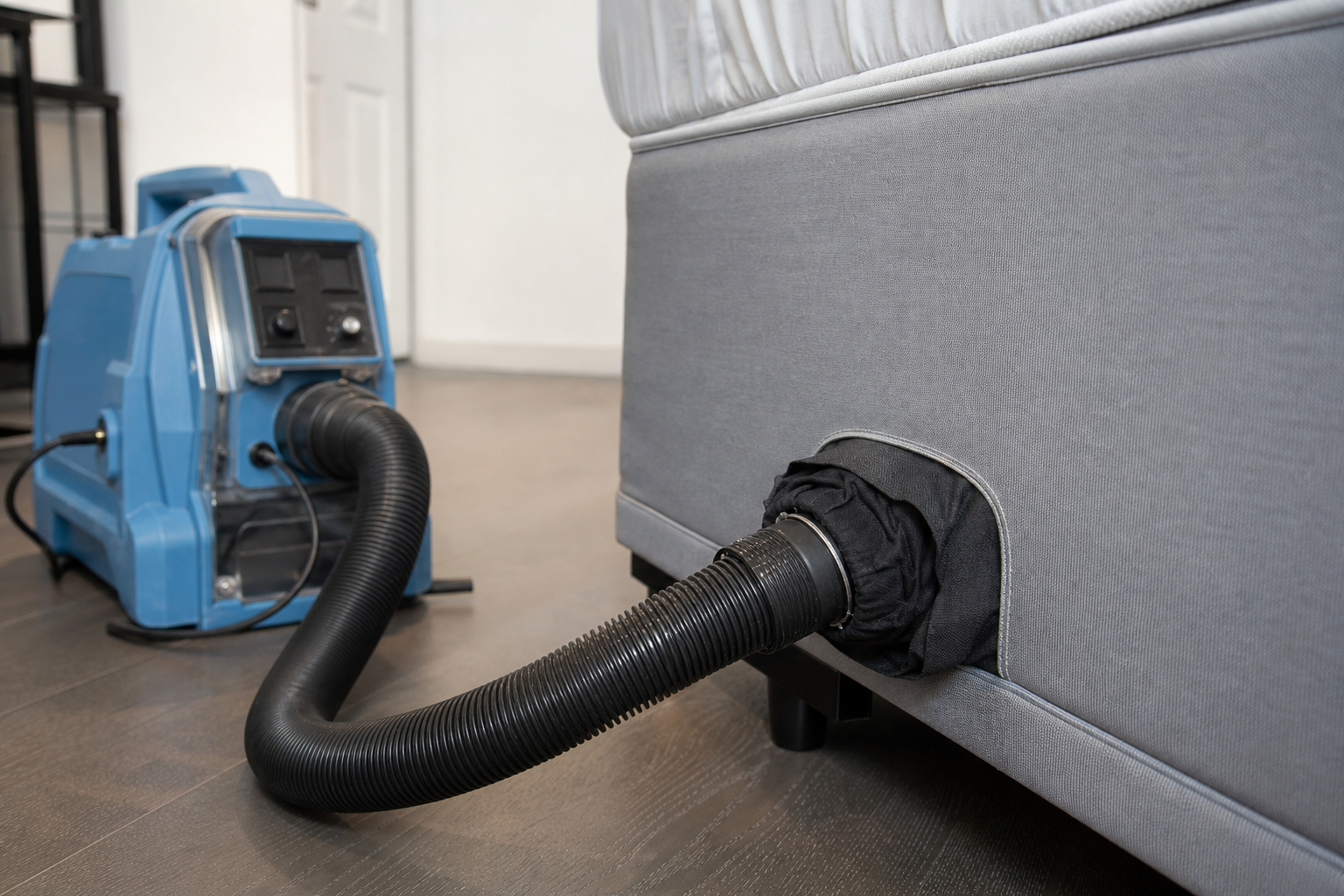
Heat is effective when technicians can achieve and sustain lethal temperatures in the pests' hiding locations. It is particularly useful for treating mattresses, furniture, and areas where insecticide use may be unwanted. Industry sources describe heat as a commonly used professional option that can deliver rapid knockdown when applied correctly (industry review of heat treatment).
Why a single treatment can sometimes fail
Heat treatment effectiveness depends on reaching lethal temperatures in every hiding place. Failure modes include poor heat penetration into wall voids or heavily insulated areas, items that block airflow, or untreated adjacent units that allow reintroduction. Reinvasion is also possible if neighbouring units or visitor vectors remain infested. Health Canada emphasises that bed bugs are hard to eradicate and supports using licensed professionals who combine methods and prevention to improve outcomes (Health Canada guidance).
Heat versus chemical treatments: pros, cons and decision criteria
When to favour heat
- When occupants prefer to limit pesticide residues in living spaces.
- When a rapid, whole-room effect is needed to reduce biting quickly.
- When infested items are difficult to treat with surface sprays, such as deep-seated infestations in upholstered furniture.
When chemicals may be better
- When structural access is limited and heat cannot reach wall voids or deep concealment areas.
- When follow-up residual protection is desirable to reduce reinfestation from adjacent areas.
- When budget constraints favour staged chemical treatments over whole-home heat, although scope and warranty should be compared carefully.
For a local comparison tailored to Oshawa conditions and provider options, see the detailed local comparison on bed bug heat treatment vs chemical options in Oshawa.
Decision checklist for homeowners
- Confirm the infestation extent with a professional inspection.
- Ask if heat will reach obvious hiding places and whether technicians use multiple sensors.
- Compare whether the quote includes follow-up visits and a warranty period.
- Consider occupant sensitivity to pesticides, speed needs, and possible reintroduction sources.
Safety, home preparation, and what to expect during service
Common prep steps technicians ask for
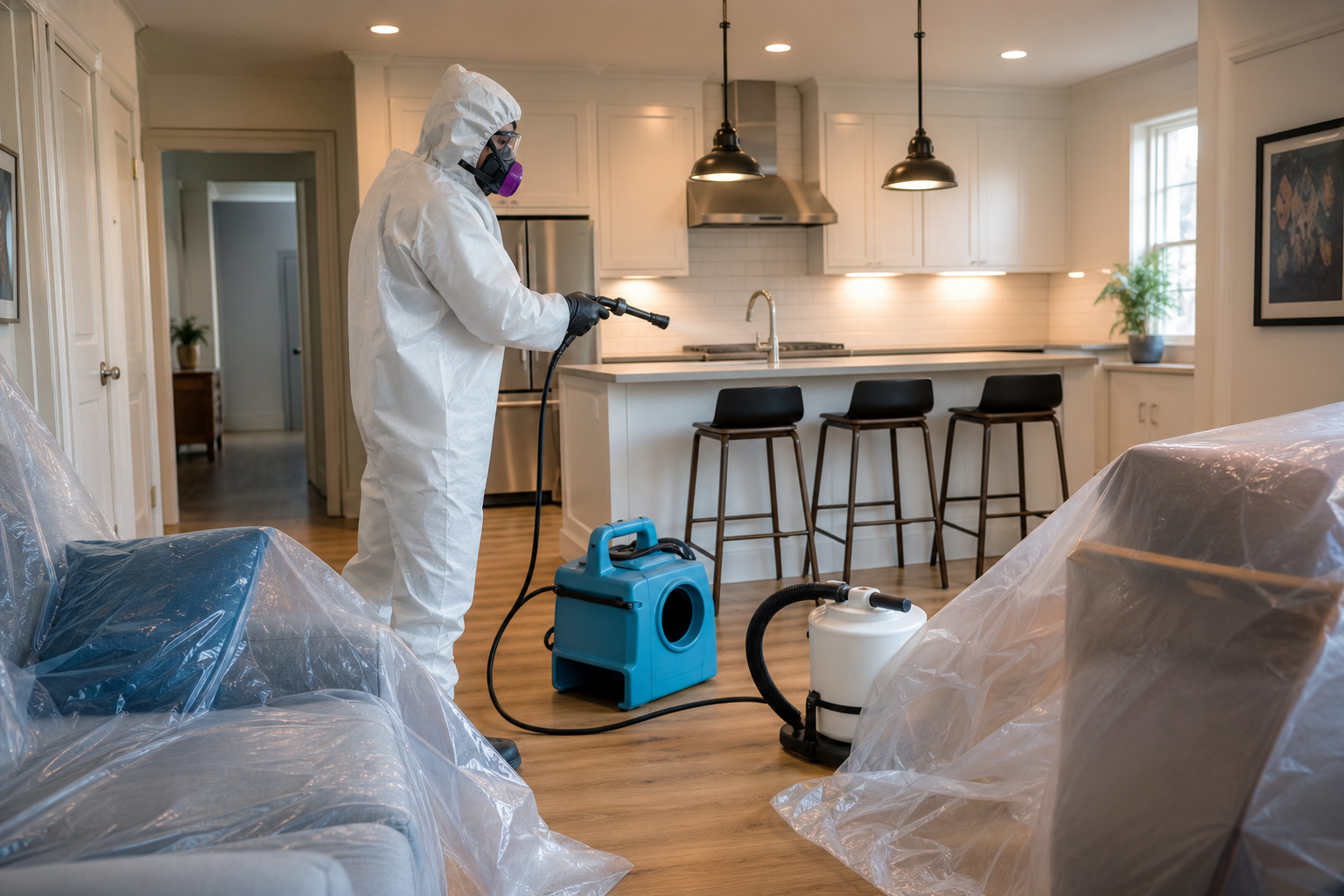
- Declutter floors and open furniture drawers to allow air circulation.
- Bag or isolate items that could melt or be damaged by heat, such as heat-sensitive plastics and certain electronics, following the technician's guidance.
- Provide access to all rooms and spaces included in the treatment.
- Document infestation signs, take photos for the technician, and note bed locations and travel history to help plan treatment.
Items often excluded from heat treatment or requiring special handling
Some items may be removed, treated separately, or require packaging to avoid heat damage. Technicians will identify these during inspection. Do not assume a single universal preparation list applies; follow the provider's written checklist and safety instructions.
Local availability, guarantees, and warranty considerations in Oshawa
Bed bug control is a standard service offered by local pest companies. When comparing quotes in Oshawa, confirm licensing, treatment scope, and warranty terms. Bugman Plus lists bed bug control among its core services and offers a three month warranty on interior treatment programs; verify the exact scope and any conditions for follow-up in writing before you hire (Bugman Plus service information).
Questions to ask about warranty and follow up
- What does the warranty cover and for how long?
- Does the warranty require scheduled follow-up visits or customer reporting of new activity?
- Who pays for follow-up treatments if re-infestation occurs and what actions are excluded?
- Is the warranty transferable if you move or rent the property?
Common objections homeowners raise and how to evaluate them
Below are frequent concerns and practical responses to help you choose a credible provider.
Cost concerns
Heat can be more expensive than spot chemical treatments because of equipment and setup. Compare written quotes that list scope, the number of technicians, follow-up visits, and any warranties to judge value rather than price alone.
Fear of damage to belongings
A reputable operator will identify heat-sensitive items during inspection and advise on removal or special handling. Ask for a written plan that lists excluded items and protective steps.
Worry about safety for children and pets
Licensed professionals will explain safety steps and whether temporary relocation is recommended. Follow the technician's instructions and ask how they monitor temperatures and protect sensitive items.
Is heat treatment worth it for my home?
If you want fast action with limited pesticide use and the infestation is accessible to heaters, heat can be an effective component of a treatment plan. If concealment areas are extreme or residual protection is a priority, a combined or chemical-centric approach may be preferable. Always base the decision on an on-site inspection and clear written estimates.
Next steps: how to get a local inspection or quote
To move from research to action in Oshawa, follow this checklist:
- Look for visible signs: live bugs, shed skins, small blood spots on bedding, and dark fecal spots on mattress seams.
- Take clear photos and notes about where you see signs and any travel or secondhand furniture history.
- Request an on-site inspection from a licensed company and ask for a written treatment plan, scope, and warranty.
- Compare at least two written quotes using the decision checklist above and check for red flags: no licence, no inspection, vague warranty, or pressure to accept immediate payment without documentation.
- If you prefer local expertise backed by a warranty, contact a trusted local provider to request an inspection or quote. Bugman Plus lists bed bug control among its services and provides a three month warranty on interior treatment programs; confirm details and exclusions during the quote process (Bugman Plus).
Frequently asked questions
Does heat treatment kill bed bug eggs as well as adult bugs?
When the correct temperatures are reached and sustained in hiding places, heat can kill eggs as well as adults. Effectiveness depends on achieving lethal conditions where eggs are deposited, so professional monitoring and experience matter. Industry reviews discuss heat as a recognized method but underscore the need for professional application (industry review of heat treatment).
Will heat treatment damage my belongings or electronics?
Some items are heat sensitive. Professionals will identify electronics, plastics, and delicate items that need removal or special handling. Do not assume nothing will be affected; plan with the technician before treatment.
Do I need to leave my home during a professional heat treatment?
Requirements vary. Technicians will advise based on the planned scope and safety considerations. Follow the provider's instructions and the written preparation checklist they supply.
How long does it take to know if a heat treatment worked?
Technicians can often confirm that target temperatures were achieved immediately. However, monitoring for residual activity and scheduling follow-up inspections is common practice because reinfestation or missed pockets can appear later. Health Canada recommends licensed professionals and follow-up planning for troublesome infestations (Health Canada guidance).
How should I compare quotes from Oshawa pest control companies for bed bug work?
Compare scope, whether the quote is for whole-structure or targeted treatment, the number of technicians, monitoring and temperature-sensing methods for heat, any chemical products named, follow-up visits included, warranty length and terms, proof of licence, and written safety instructions. Use those criteria to judge value rather than price alone.
To arrange a local inspection or get a written quote, contact Bugman Plus for details, confirmation of warranty terms, and a professional assessment of whether heat, chemicals, or a combined approach best fits your situation. Request an inspection or quote from Bugman Plus.


