
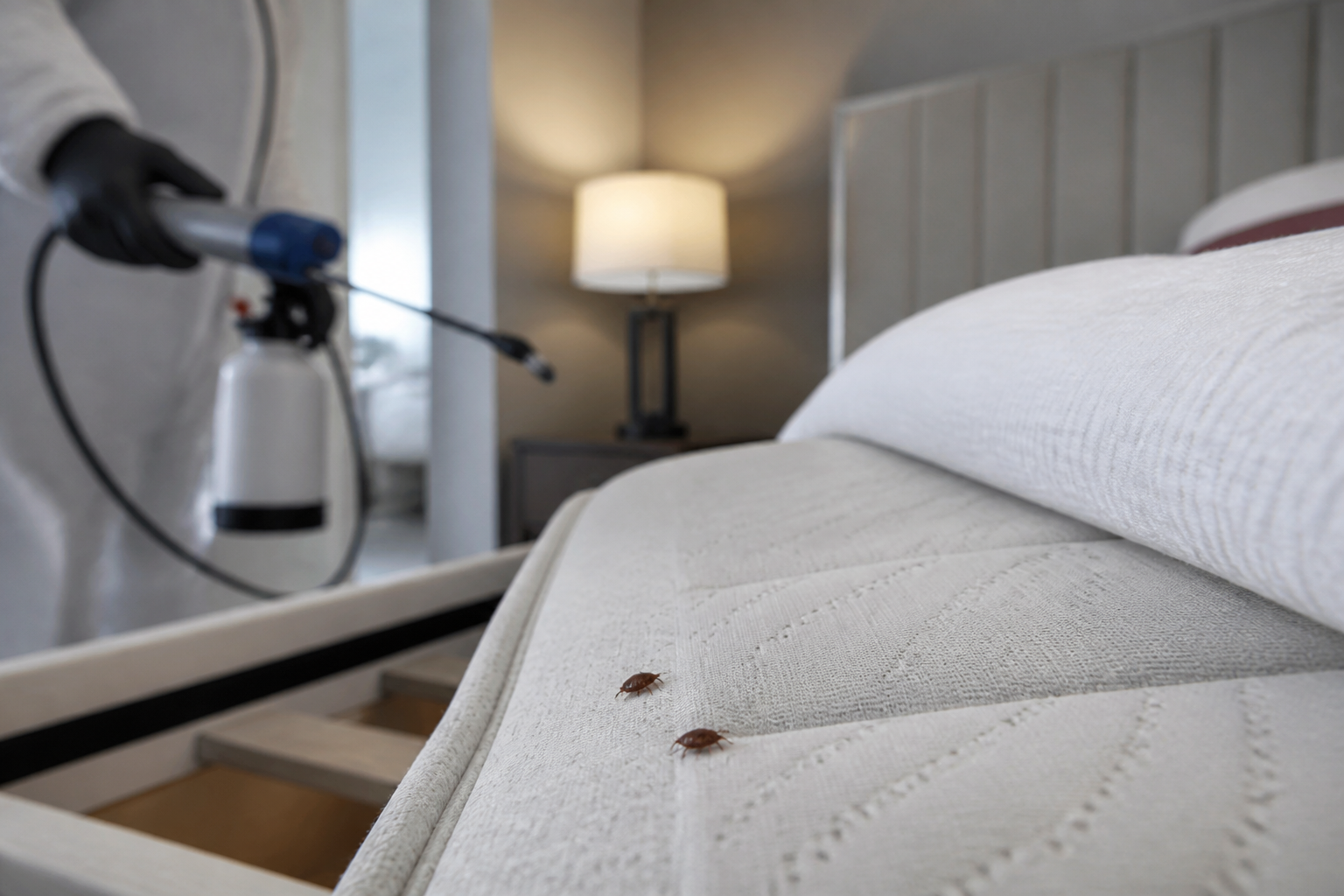
When you’re dealing with bed bugs, clear questions and documented answers help you choose the right professional and avoid surprises. This guide offers practical, plain‑language questions you can use on calls, estimates, and service days—plus checklists you can save. The goal is simple: confirm the problem, understand the plan, and know how success will be measured.
How to use this guide
Pick the sections that match where you are in the process. On your first call, use the “essential questions.” During estimates or the first visit, lean on the inspection and treatment sections. Before service day, review scheduling, preparation, and safety. After treatment, use the follow‑up and monitoring questions to track progress.
- Keep notes for each provider you speak with; use the same questions so comparisons are fair.
- Request written estimates that list services, timelines, and what’s included.
- Ask for plain‑English explanations; if something isn’t clear, request an example or photo.
Essential bed bug exterminator questions
Start every conversation with these foundation questions to quickly judge fit and clarity.
- Experience and focus: “How often do you handle bed bug jobs, and what percentage of your work is bed bugs?”
- Identification: “How will you confirm that the issue is truly bed bugs and not another insect?”
- Treatment approach: “What primary treatment methods do you use for bed bugs, and why?”
- Number of visits: “How many visits are typically needed, and at what intervals?”
- Preparation: “What preparation do you require from me before the first treatment?”
- Safety: “What should people and pets do before, during, and after treatment?”
- Scope: “Which rooms and belongings are covered, and what’s specifically excluded?”
- Documentation: “Will you provide a written plan that outlines methods, products, and timelines?”
- Point of contact: “Who do I contact if I see activity between visits?”
Questions about inspection and confirmation
Good decisions start with correct identification and a thorough inspection. These questions help you understand how your home will be assessed and how findings will be documented for you.
- Inspection detail: “What areas will you inspect (beds, sofas, baseboards, outlets, closets, luggage, adjoining rooms)?”
- Evidence standards: “What specific signs are you looking for (live insects, cast skins, fecal spotting, eggs), and will you show me examples?”
- Tools: “What tools might you use to aid inspection (flashlights, crevice tools, monitors)?”
- Units and neighbours: “If I live in a multi‑unit building, how do you approach adjacent units and shared spaces?”
- Documentation: “Will you provide photos or written notes that summarize findings and recommended next steps?”
- Extent of activity: “Based on what you see, how widespread is the issue, and what areas are priority one?”
Treatment methods to ask about
Different methods can be used alone or in combination. Ask providers to explain their approach in everyday terms so you know how it works, what prep is needed, and how success will be measured.
- Method overview: “Which methods do you recommend for my situation, and why that sequence?”
- Integrated approach: “Do you combine multiple methods (for example, targeted applications plus mechanical measures like encasements and interceptors)?”
- Access: “How will you treat hard‑to‑reach harbourages such as bed frames, headboards, baseboards, and furniture joints?”
- Personal items: “How are clothing, linens, and soft goods handled?”
- Electronics and delicate items: “What is the plan for items that can’t be laundered or heated?”
- Measured success: “What does ‘successful treatment’ look like at 2 weeks, 4 weeks, and beyond?”
Scheduling, prep, and access
Bed bug work often requires preparation and access to multiple rooms. Clarify timelines and expectations so treatment day runs smoothly and follow‑ups stay on track.
- Timeline: “When can you start, and what is the schedule of visits?”
- Entry: “Do you require someone to be home, or can arrangements be made for access?”
- Preparation list: “Will you provide a written prep checklist, and how far in advance should I begin?”
- Clutter and storage: “How should I handle bagging, sealing, and staging items to avoid spreading bugs within the home?”
- Furniture movement: “Which items must be moved, disassembled, or left in place?”
- Laundry logistics: “What should be laundered, at what temperatures, and how should cleaned items be stored?”
- Re‑entry: “How long after treatment before people and pets can return to treated rooms?”
Safety and home care
Ask for clear instructions designed for your household’s needs. Safety questions should cover people, pets, fish tanks, plants, and sensitive materials. If you have health concerns, consult an appropriate professional for guidance.
- People and pets: “What precautions apply to children, pregnant individuals, elderly residents, pets, and aquariums?”
- Ventilation: “Do windows need to be opened, and for how long?”
- Surfaces and cleaning: “When can I vacuum, mop, or wipe treated areas without reducing effectiveness?”
- Food areas: “How are kitchens and dining areas protected during treatment?”
- Follow‑up cleaning: “What cleaning steps are recommended between visits?”
- Contact info: “Whom do I call if someone feels unwell after service?”
Pricing, scope, and what is included
Transparent scope prevents misunderstandings. Request a written estimate that itemizes areas covered, number of visits, and any add‑ons. Avoid vague language; specifics help you compare offers fairly.
- Inclusions: “Which rooms and furniture are included? Are closets, sofas, and storage areas part of the base scope?”
- Exclusions: “What is not included, and why?”
- Add‑ons: “Are mattress/box spring encasements, interceptors, or monitors available, and how are they priced?”
- Re‑treatments: “If activity persists, how are additional visits handled?”
- Changes in scope: “If the infestation is more extensive than expected, how will that affect cost and timeline?”
- Payment terms: “When is payment due and what forms are accepted?”
- Written estimate: “Can you send an itemized, written estimate before I book?”
Aftercare, monitoring, and warranty questions
Eliminating bed bugs is a process. Monitoring and communication after treatment help verify progress and prevent re‑introduction.
- Activity log: “What should I track (bites, sightings, photos) and how should I share updates?”
- Between visits: “What’s normal to see after treatment, and what should trigger a call?”
- Re‑introduction risks: “What daily habits help reduce the chance of bringing bed bugs back?”
- Documentation: “Will you provide post‑service instructions in writing?”
- Service terms: “What are the terms for follow‑up visits or any service assurances, and how are they documented?”
Red flags and ways to compare pros
Use these signs to spot weak proposals and strengthen your decision.
- No inspection: They recommend treatment without inspecting or reviewing credible evidence.
- Unclear prep: You do not receive written preparation instructions tailored to your space.
- One‑and‑done promises: Bed bug work commonly involves multiple steps; be cautious of oversimplified timelines.
- No documentation: Refusal to provide written estimates, visit summaries, or timelines.
- Poor communication: Slow or incomplete answers to basic safety, scope, or scheduling questions.
Quick checklist you can save
Copy, print, or screenshot this list to use on calls and site visits.
- Inspection: Which areas will you inspect? How will you confirm identification?
- Method: Which treatment methods will you use and in what order?
- Visits: How many visits and at what intervals?
- Prep: What exactly must I do before each visit?
- Safety: What are the re‑entry times and precautions for people and pets?
- Scope: Which rooms and items are included or excluded?
- Proof: Will I receive a written plan, estimate, and post‑visit notes?
- Costs: How are add‑ons or additional visits handled?
- Contact: Who is my single point of contact for scheduling and questions?
FAQs: bed bug exterminator questions
How do I know if I’m asking the right questions on the first call?
What should a written estimate for bed bug work include?
Look for the service areas covered (rooms and furniture), the number and timing of visits, the treatment methods proposed, preparation requirements, what’s excluded, and how follow‑ups are handled. Itemization helps you compare multiple quotes fairly and avoid scope creep.
How long should I wait after treatment before normal cleaning?
Ask your provider for written instructions that match their methods. In general, vacuuming is often encouraged on a schedule that won’t interfere with the treatment’s effectiveness, while mopping or wet cleaning treated baseboards may need to be delayed. When in doubt, follow the specific guidance you receive for your home.
What if I still see activity after the first visit?
Bed bug programs commonly involve multiple visits. Keep a simple activity log with dates, locations, and photos where possible. Share this with your provider before the next visit so they can adjust the plan or focus attention on hotspots.
How can I reduce the chance of bringing bed bugs back after service?
Simple habits help: minimise clutter near sleeping areas, inspect luggage and soft goods after travel, use bed encasements if recommended, and position beds slightly away from walls so monitors or interceptors can work effectively. If visitors or used furniture are common in your space, add a quick visual check routine.
A practical next step
To discuss the options that apply to your situation, contact Bugman Plus and request the relevant details before moving forward.


