
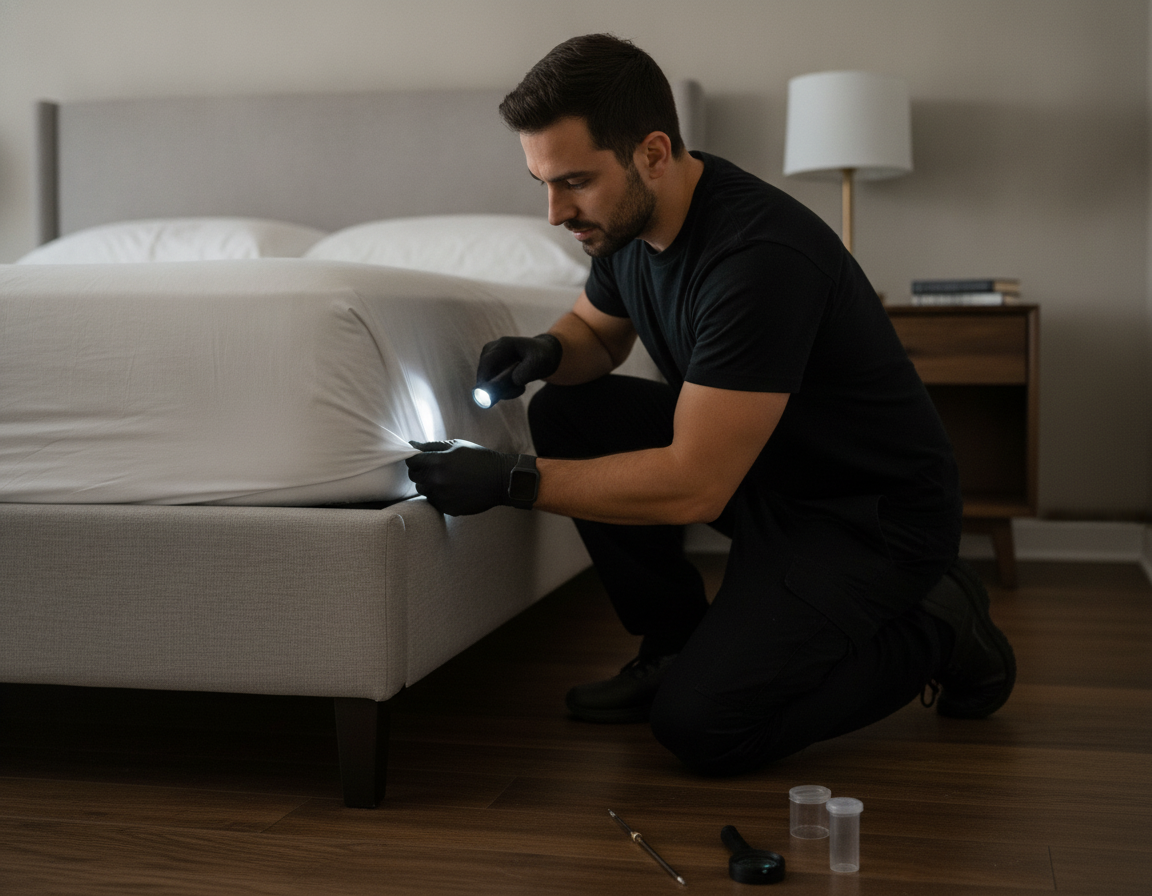
Bed bug extermination process refers to a structured, multi-step program designed to locate, eliminate, and prevent bed bugs across all life stages. It starts with inspection, adds thorough preparation, applies targeted treatments, and ends with follow-ups that confirm success. For Oshawa homes, a disciplined process delivers reliable results and helps you sleep bite-free again.
By Krunal Agarwal — Bugman Plus
Last updated: 2026-07-03
Overview
This guide explains the full bed bug removal workflow—from confirming activity and prepping rooms to heat, chemical, steam, and dust applications, then follow-up verification. It’s built for Oshawa homeowners and reflects Bugman Plus’s warranty-backed, research-driven approach to winning the war on pests.
In this complete, practical guide you’ll find:
- Clear definition of the bed bug extermination process and why it matters
- A step-by-step walkthrough of professional treatment
- Heat vs. insecticide vs. steam vs. dust comparison
- Preparation checklists and post-treatment best practices
- Tools pros use and when to call in help
- Real-world Oshawa examples and an FAQ you can act on
- What Is the Bed Bug Extermination Process?
- Why a Proven Process Matters for Oshawa Homes
- How Professional Bed Bug Treatment Works (Step-by-Step)
- Treatment Types and Methods Compared
- Best Practices Before, During, and After Treatment
- Tools and Resources Used by Pros
- Case Studies and Real-World Examples
- Frequently Asked Questions
- Key Takeaways
- Conclusion and Next Steps
What Is the Bed Bug Extermination Process?
The bed bug extermination process is a systematic program that confirms activity, prepares living areas, applies targeted treatments, and verifies elimination with follow-up inspections. It addresses all life stages—eggs, nymphs, and adults—to break the reproductive cycle and prevent re-infestation.
When people say “bed bug removal,” they often picture one service visit. In reality, it’s a measured sequence that finds where bugs hide, eliminates them safely, and proves they’re gone. That sequence protects your sleep and reduces the chance of bed bugs returning.
Bed bugs progress through five nymphal stages before adulthood. At common indoor temperatures, eggs often hatch in about 6–10 days, and nymphs typically feed every 5–10 days. This timing explains why follow-up inspections are scheduled—so any newly emerged nymphs cannot mature and re-seed the population.
Effective programs combine multiple tactics. For example, heat can raise ambient temperatures above 122°F (50°C), which is widely known to be lethal to eggs and bugs when properly sustained. Insecticide formulations target cracks and voids, while vacuuming and steam knock down exposed insects quickly.
At Bugman Plus, we align each step with our on-the-ground experience in Oshawa homes. We pair precise application with a 3-month warranty on all interior treatment programs, then return for verification. That warranty-backed cadence supports your peace of mind long after the first visit.
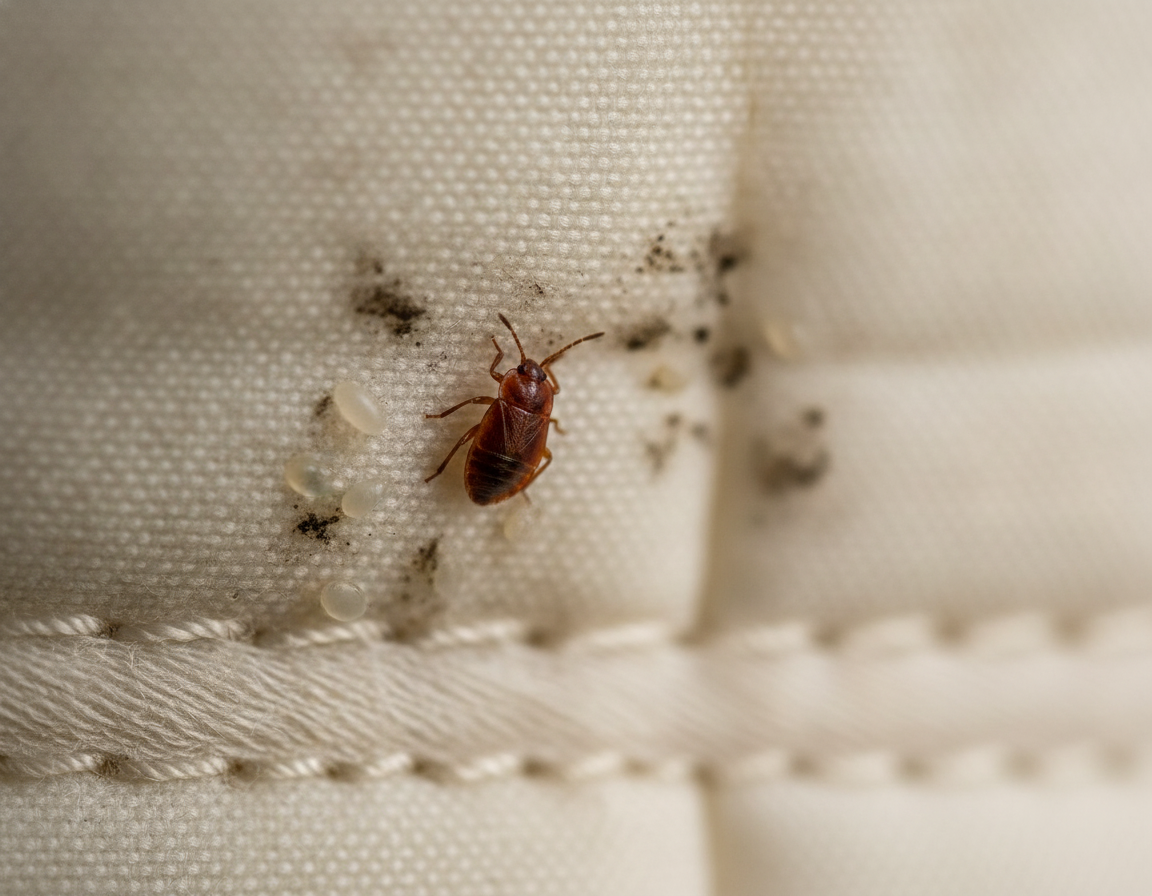
Key elements of a complete program
- Inspection-driven decisions: Map out harborage zones—mattress seams, box springs, bed frames, baseboards, outlets, and furniture joints.
- Preparation with purpose: Launder and bag linens on high heat; reduce clutter to expose edges and seams.
- Integrated treatments: Use heat, residual insecticides, steam, and dusts in the right order for coverage and longevity.
- Measured verification: Schedule follow-ups in roughly 10–14 days to intercept any late hatchers.
- Warranty-supported closure: Use service documentation and a defined monitoring period to confirm results.
In short, the process is about timing, precision, and proof. It’s not just what you apply—it’s when and where you apply it, then how you confirm the outcome.
Why a Proven Process Matters for Oshawa Homes
A proven process reduces re-infestation risk, speeds relief, and protects your investment. In Oshawa, structured programs with preparation, integrated treatments, and scheduled follow-ups outperform one-and-done approaches, especially when backed by a clear warranty and service documentation.
Here’s the thing: bed bug control is a race against a life cycle. Eggs can survive what adults cannot, and a single pregnant female can restart a population. That’s why a timeline-based plan in Oshawa homes—inspection, prep, treatment, monitoring—tends to outperform ad hoc efforts.
We’ve found that clear homeowner prep increases treatment efficacy measurably. For example, laundering bedding on high heat and reducing clutter improves heat penetration and surface access. When preparation is thorough, service times are more productive, and follow-up inspections are cleaner and faster.
Documentation also matters. Service maps, room notes, and post-visit guidelines help everyone track what’s been done. With Bugman Plus’s 3-month warranty on interior treatment programs, that documentation becomes your assurance: if activity reappears within the warranty window, we stand behind the work.
Local considerations for Oshawa
- Travel increases risk. If you commute near busy hubs such as Dundas St. @ Thickson Rd., inspect luggage seams and launder travel clothes on high heat the same day you return.
- Seasonal timing matters. Summer moves and dorm turnovers mean more secondhand items; isolate and inspect used furniture outside or in a garage before bringing it in.
- Apartment living nuances. In multi-unit buildings around areas like Prince of Wales Park, share observations with property management early so inspections can expand if needed.
Want a walkthrough of how our local team structures service? See the high-level approach on our services page, or reach out for tailored guidance via our request a quote form.
How Professional Bed Bug Treatment Works (Step-by-Step)
Professional bed bug treatment follows a strict sequence: confirm activity, prepare spaces, apply integrated treatments, then verify elimination with follow-ups. Timing targets egg hatch cycles (often 6–10 days) and uses both immediate knockdown and long-lasting residual protection.
Step-by-step workflow you can trust
- Confirmation and mapping (60–90 minutes): Inspect mattresses, box springs, headboards, baseboards, furniture joints, and outlet covers. Note fecal spotting, cast skins, and eggs. Document room-by-room.
- Preparation (variable, often same-day): Bag and launder bedding and clothing on high heat; declutter; lift bed skirts; isolate items in sealed bags. Target dryer cycles of at least 30 minutes on high heat for fabrics.
- Initial service visit (2–4 hours for a typical home): Combine methods: HEPA vacuuming of seams, directed steam at likely harborages, insecticide placements in cracks and voids, and strategic dust in outlets and wall voids where appropriate.
- Monitoring period (10–14 days): Use interceptors and visual checks. Avoid using household foggers—they disperse bugs rather than eliminate them and can reduce treatment efficacy.
- Follow-up service (30–90 minutes): Re-inspect and re-treat any hotspots. Focus on newly hatched nymphs. Tighten encasements and re-apply dusts only where label-permitted.
- Verification and warranty support (up to 3 months): Maintain encasements, keep clutter low, and log any activity. Warranty-backed interior programs provide defined support if activity resurfaces.
| Phase | Primary Goal | Typical Timing | Key Actions |
|---|---|---|---|
| Inspection | Confirm activity and map harborages | 60–90 minutes | Visual checks, mattress seams, baseboards, outlet covers |
| Preparation | Expose edges, remove heat-sensitive clutter | Same-day | Launder/bag linens, reduce clutter, lift bed skirts |
| Initial Treatment | Knock down and establish residual control | 2–4 hours | Vacuum, steam, residuals, dusts where permitted |
| Monitoring | Catch late hatchers and confirm trend | 10–14 days | Interceptors, visual checks, avoid DIY foggers |
| Follow-up | Eliminate remaining pockets | 30–90 minutes | Targeted re-treatments and re-inspection |
| Verification | Confirm elimination and close the loop | Up to 3 months | Encasements, documentation, warranty support |
Need help in Oshawa? Our team at Bugman Plus pairs research-driven methods with a 3-month interior warranty. Start with a quick note on our Get a Quote page or message us through Contact.
Treatment Types and Methods Compared
Heat, insecticides, steam, and dust each play a role. Heat reaches lethal temperatures quickly; residual insecticides protect gaps and cracks; steam delivers contact kill; dusts add long-term protection in voids. The best programs combine methods for coverage and durability.
Not every home needs the same mix. Infestation severity, room count, and furniture types all shape the treatment plan. The right combination improves speed and durability while minimizing disruption to your schedule.
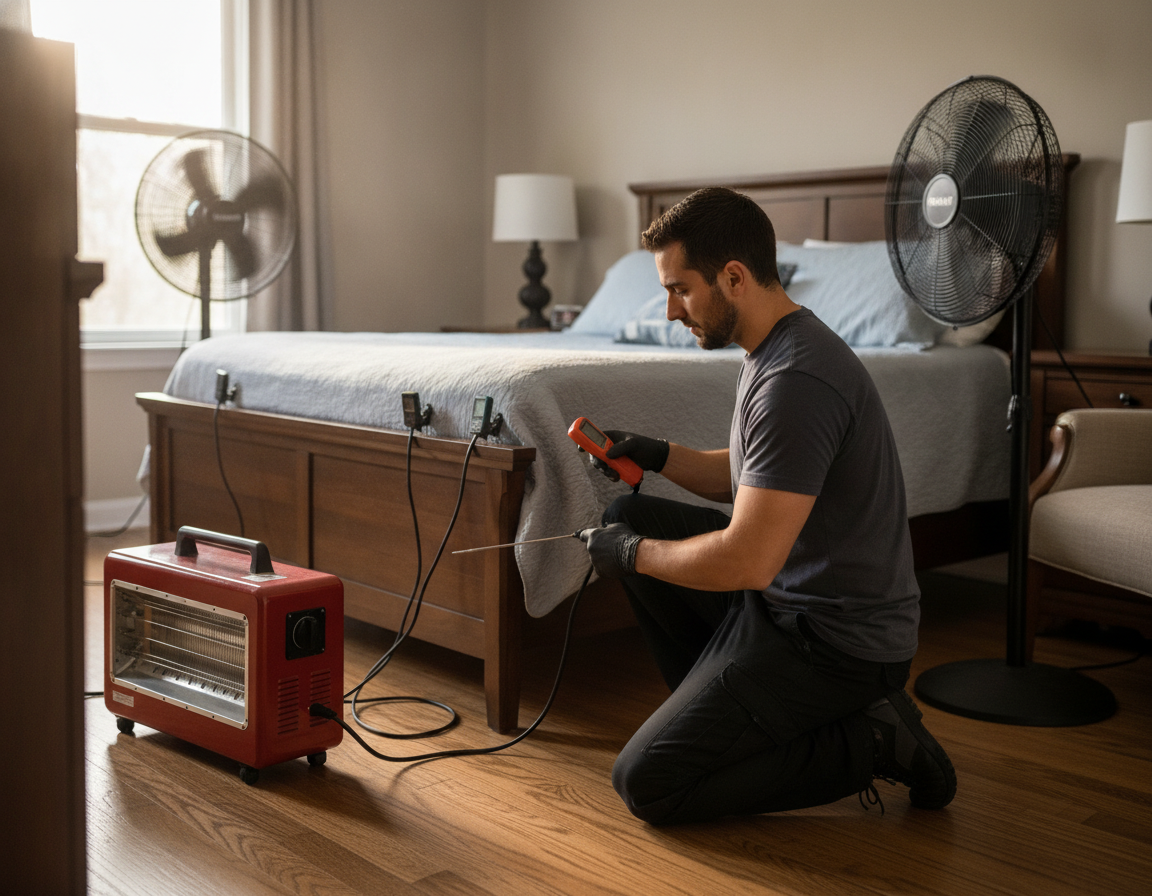
Quick comparison
| Method | How it works | Strengths | Considerations | Best use |
|---|---|---|---|---|
| Heat | Raises ambient temps above ~122°F | Reaches eggs and adults; fast turnaround | Requires controlled setup; protect heat-sensitive items | Whole-room or home-level treatments |
| Residual Insecticides | Targets cracks, seams, and voids | Longer protection in harborages | Must follow all label directions and safety guidance | Spot treatments, frames, baseboards, outlets |
| Steam | High-temperature vapor for contact kill | Immediate knockdown; great for fabrics and seams | Contact-only; requires slow, close passes | Mattress seams, upholstery, box springs |
| Dusts | Desiccants in voids and hidden pathways | Long residual in protected spaces | Apply sparingly; avoid air currents and overuse | Outlets, wall voids, hollow furniture legs |
Whichever methods are chosen, make sure you receive room-by-room notes and post-visit guidelines. Those details allow you to maintain encasements, check interceptors, and keep the environment bed bug–unfriendly.
Best Practices Before, During, and After Treatment
Best practices include thorough laundry prep, strategic decluttering, careful bagging, encasements for beds, and consistent monitoring for 10–14 days. Avoid over-the-counter foggers and don’t move untreated items between rooms during the program.
Before your first visit
- Launder on high heat: Bedsheets, pillowcases, blankets, and frequently used clothing. Dry for at least 30 minutes on high heat.
- Bag and label: Use sealable bags and label “clean” vs. “to wash.” Keep clean items sealed until after service.
- Declutter intelligently: Expose baseboards, outlet covers, bed frames, and furniture seams so the technician can access edges.
- Protect valuables: Remove heat-sensitive items or place them in a cool, isolated area per your technician’s guidance.
During treatment
- Stay out as directed: Follow re-entry times based on the label and method selected for your home.
- Keep rooms staged: Don’t re-dress beds or re-stack items until given the go-ahead.
- Limit movement: Avoid carrying potentially infested items across rooms or units.
After treatment
- Use encasements: Mattress and box spring encasements reduce hiding sites and make inspections faster.
- Monitor 10–14 days: Check interceptors and seams weekly; log any bites or sightings with dates and locations.
- Keep heat on target: For heat programs, maintain recommended ventilation and room layout until your technician completes verification.
- Follow-up access: Leave interceptors and encasements in place for the warranty period to support verification.
If you want a tailored checklist for your specific layout, message our team through Contact. You can also review our service categories on the services page to see how we approach other pests while maintaining sanitation and access principles.
Tools and Resources Used by Pros
Pros rely on HEPA vacuums, thermal equipment, precision applicators, steamers, desiccant dusts, interceptors, and mattress encasements. The mix ensures immediate knockdown, durable residual control, and objective verification during follow-up visits.
Professional equipment closes gaps that DIY approaches leave open. For example, targeted steam requires controlled speed and proximity to seams—roughly one inch from the surface at a slow pass—to ensure lethal contact without moisture damage. Likewise, dusts in wall voids work best when applied sparingly with proper flow restrictors.
- Inspection toolkit: Flashlight with high CRI, crevice tools, and screwdrivers to lift outlet covers safely.
- Vacuum + steam: HEPA-rated vacuums for seams and tufts; steamers capable of sustained high temperatures with narrow nozzles.
- Applicators: Precision wands and tips for crack-and-crevice work; dusters with control valves for voids.
- Thermal gear: For heat treatments, calibrated sensors and high-temperature fans to achieve consistent distribution.
- Monitors: Pitfall-style interceptors placed under bed and sofa legs to passively capture movement.
- Encasements: Zippered mattress and box spring covers with tight tooth counts to prevent escape.
Curious how this pairs with other pest categories? Our services overview explains how we apply research, method, and time across spiders/wasps, cockroaches, ants, and rodents. If ants are your next priority, weigh treatment logistics alongside the broader topic of ant control cost as you evaluate program options.
Case Studies and Real-World Examples
Real homes show how process beats guesswork. These Oshawa snapshots illustrate inspection-driven plans, integrated methods, and verification within a defined warranty window—so relief is achieved and maintained.
Case 1: Primary bedroom hotspot
An Oshawa homeowner noticed bites concentrated after overnight rest. We documented fecal spotting along a wooden headboard and live activity in box spring seams. Within a 2–4 hour visit, we vacuumed, steamed seams, applied residuals to cracks, and dusted select outlets. Nymph activity dropped to zero on interceptors within 10 days, verified at a 14-day follow-up.
Case 2: Multi-room spread via a sofa
A sectional in a den became a secondary hub. We encased bedroom sets, staged the den, and delivered targeted steam plus residual placements at furniture joints and baseboards. Interceptors under sofa legs caught late-stage nymphs on day 7; a 12-day follow-up cleared them. The 3-month interior warranty window closed with no further notes.
Case 3: Apartment adjacency awareness
In a multi-unit near Prince of Wales Park, activity appeared in a corner unit with shared wall voids. We coordinated with management to expand inspections, dusted select outlets along common walls, and staged encasements. A 10-day recheck showed no nymphs; a 21-day visit confirmed zero captures in interceptors.
Case 4: Post-travel introduction
After a family returned from a trip with soft-sided luggage, interceptors recorded early movement near a guest bed. We treated seams and baseboards, isolated luggage to a garage, and ran high-heat cycles on suspect garments for 30 minutes. No additional captures appeared across 14 days; the case closed with clean monitors.
Frequently Asked Questions
Common questions focus on preparation, timing, safety, and how to keep bugs from returning. The quick answers below reflect field-tested steps that work for Oshawa homes and align with a warranty-backed, inspection-first approach.
How long does a professional bed bug treatment take?
Most single-visit treatments run 2–4 hours for a typical home, followed by a 10–14 day monitoring window and a brief follow-up. Timelines vary with room count, clutter levels, and whether heat, residuals, steam, or a combination is used.
Do I need to throw away my mattress?
Usually no. Proper treatment plus quality encasements often saves mattresses and box springs. Your technician will advise based on seam activity, frame design, and the condition of the bedding after vacuuming, steam, and residual applications.
Will one service visit solve my issue?
A single visit may dramatically reduce activity, but follow-up is crucial because eggs can hatch in about 6–10 days. The program’s strength comes from inspection, integrated methods, and scheduled rechecks—then verifying results within a defined warranty window.
What should I avoid during treatment?
Avoid over-the-counter foggers, moving untreated items between rooms, or breaking encasement seals early. These actions scatter bugs or re-seed rooms. Instead, follow your prep sheet closely and keep interceptors in place until your provider confirms elimination.
Key Takeaways
Bed bug elimination is a process, not a one-off visit. Inspection, preparation, integrated methods, and follow-ups—plus a warranty-backed verification—deliver the durable, bite-free results Oshawa homeowners want.
- Inspection drives decisions; mapping harborages improves precision.
- Preparation enables access and accelerates results—launder and bag items on high heat.
- Integrated approaches (heat, residuals, steam, dust) outperform single-method attempts.
- Follow-ups target hatch cycles, commonly at 10–14 days.
- Warranty-backed interior programs add peace of mind and support documentation.
Conclusion and Next Steps
Winning the war on bed bugs requires a disciplined sequence with built-in verification. If you need help in Oshawa, choose a team that pairs research, method, and time—and backs service with a clear warranty.
Here’s the reality: success comes from a repeatable process that respects biology and your routine. Confirm activity, prep with purpose, treat with a smart mix of methods, and verify until you can confidently say the infestation is gone. Keep interceptors and encasements in place through the recommended window.
When you’re ready for professional support, start on our Get a Quote page or send a note via Contact. You can also explore our services overview to understand how we approach spiders/wasps, cockroaches, ants, rodents, and more. For business background and our quality commitments, visit the About page or our homepage.
For a general overview of bed bug biology and common signs, see this plain-language bed bug explainer. For a local home-care angle, this Oshawa-focused home article shows how seasonal maintenance thinking improves outcomes across household issues. You can also browse a vendor directory profile such as this pest control listing page to understand how different providers present service scope.


