
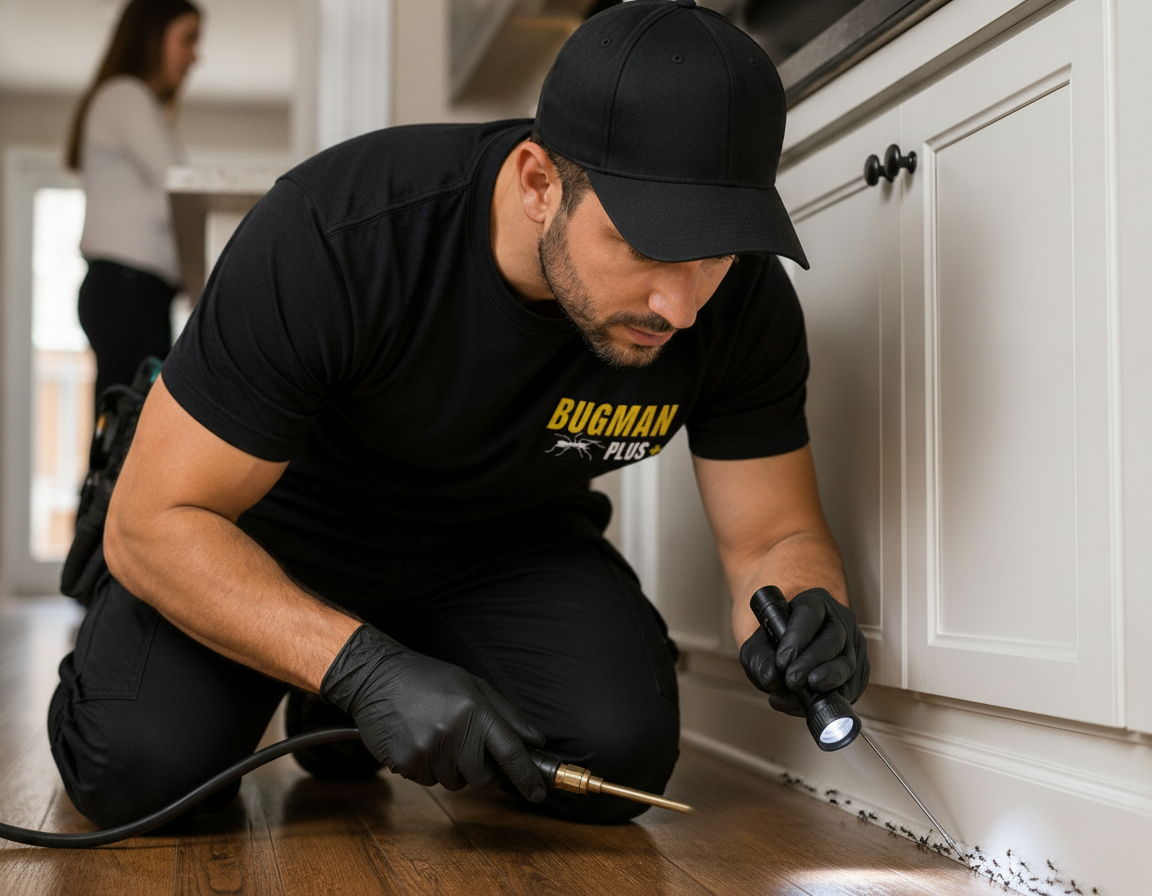
Ant control cost is the total investment of inspection, treatment, and prevention needed to eliminate ants and stop them from returning. In Oshawa, cost drivers include species, infestation scope, access, property type, and preventive work. Choosing an Integrated Pest Management (IPM) plan reduces repeat callbacks and long-term spend while protecting your home’s health.
By Krunal Agarwal · Bugman Plus
Last updated: 2026-07-02
At a Glance: Oshawa Ant Control Cost Factors
Ant control cost is shaped by species, infestation size, home access, sanitation, and prevention steps. Professional IPM blends inspection, baits, non-repellent treatments, exclusion, and follow-up. Oshawa homes see seasonal spikes in spring and late summer; acting early typically reduces total visits and disruption.
Homeowners ask us two things first: what drives the price and what they can do to keep it down. You’ll find both answers here, grounded in how Bugman Plus treats ants in Oshawa homes and backed by our interior-treatment warranty.
Overview
- Core drivers: species ID, colony size, entry points, food/water sources, and structural access.
- Service scope: inspection thoroughness, targeted interior treatments, exterior perimeter work, and exclusion.
- Timing: spring-to-summer upticks; early intervention avoids entrenched trails and satellite colonies.
- Value signals: IPM approach, documented findings, and a real warranty that covers re-service if activity persists.
- DIY vs pro: light surface sprays rarely reach queens; targeted baits and non-repellents deliver durable control.
We’ll unpack each factor and show how to protect your budget without cutting corners that lead to repeat problems.
What Is Ant Control Cost?
Ant control cost refers to the combined effort to diagnose species, disrupt colonies, and prevent re-entry. It includes time on site, professional-grade products, monitoring, and follow-up. The aim is durable relief, not a momentary knockdown—so inspection and prevention are as critical as treatment.
In practice, it’s the set of steps needed to identify the ant, locate nests and satellite colonies, target the source, and close entry paths. For Oshawa homeowners, the most predictable way to manage spend is to invest in a methodical IPM plan that solves today’s issue and cuts off tomorrow’s recurrence.
Key cost inputs
- Species and biology: Pavement ants behave differently than odorous house ants; carpenter ants signal structural considerations.
- Infestation depth: Multiple trails, grease or sweets preference, and presence of winged reproductives change the plan.
- Access: Finished basements, tight crawlspaces, or cluttered kitchens can add time to achieve coverage.
- Prevention work: Sealing gaps, trimming back shrubs, and moisture control reduce follow-ups.
Self-contained answer: Ant control cost is best understood as the level of professional effort needed to stop current activity and prevent re-infestation. When inspection, baits, non-repellents, and exclusion work together, outcomes last longer and the total service footprint is smaller.
Why Ant Control Cost Matters
Managing ant control cost matters because the cheapest quick spray often leads to repeat activity. Investing in inspection-led IPM reduces re-treatments, protects food areas, and limits disruption. The right sequence—identify, target, exclude, verify—keeps solutions durable and budget steady.
We see this locally: a light repellent spray might scatter foragers in the short term, yet trails often reappear within days when baits and exclusion are skipped. In our experience with Oshawa kitchens and basements, lasting results come from precise baits and follow-up verifications that confirm trails are gone at the source.
What homeowners actually want
- Fewer callbacks: A plan that ends the cycle of “it’s back again.”
- Clean kitchens: No more sugar-seeking lines across counters and backsplashes.
- Quiet timelines: Treatments that work over 1–3 weeks without heavy disruption to home routines.
- Proof of progress: Monitors and photos that show reduced activity at known hot spots.
Self-contained answer: Ant control cost is about the overall pathway to stable results, not a one-time spray. Plans that focus on colony elimination and prevention protect your time, food areas, and peace of mind.
How Professional Ant Control Works
Professional ant control follows IPM: inspect, identify species, place targeted baits, apply non-repellent treatments, seal entry points, and verify elimination. Each step is documented, and follow-ups confirm the colony has collapsed rather than scattered.
Here’s how our team at Bugman Plus executes a typical service sequence in Oshawa homes. The order matters—start with identification and finish with prevention, so you solve for both today and next season.
- Inspection and mapping: We track trails to food, moisture, and harborage. We note 3–6 key points: entry gaps, plumbing penetrations, and exterior foundations.
- Species confirmation: Pavement, odorous house, and carpenter ants drive different tactics. We match bait matrices to preference (sweet, protein, grease).
- Targeted baiting: Small, discreet placements near trails and along baseboards feed the colony. Bait transfer reaches queens for long-term collapse.
- Non-repellent applications: Where structural voids or wall junctions need coverage, non-repellents allow for undetected pickup and spread.
- Exclusion: Seal utility penetrations, door sweeps, and small cracks. Minor moisture fixes (e.g., under-sink drips) help a lot.
- Monitoring: Place and check interceptor monitors; compare activity at 7–14 day intervals.
- Verification: Follow-up confirms trail extinction and closes the loop with photos or notes.
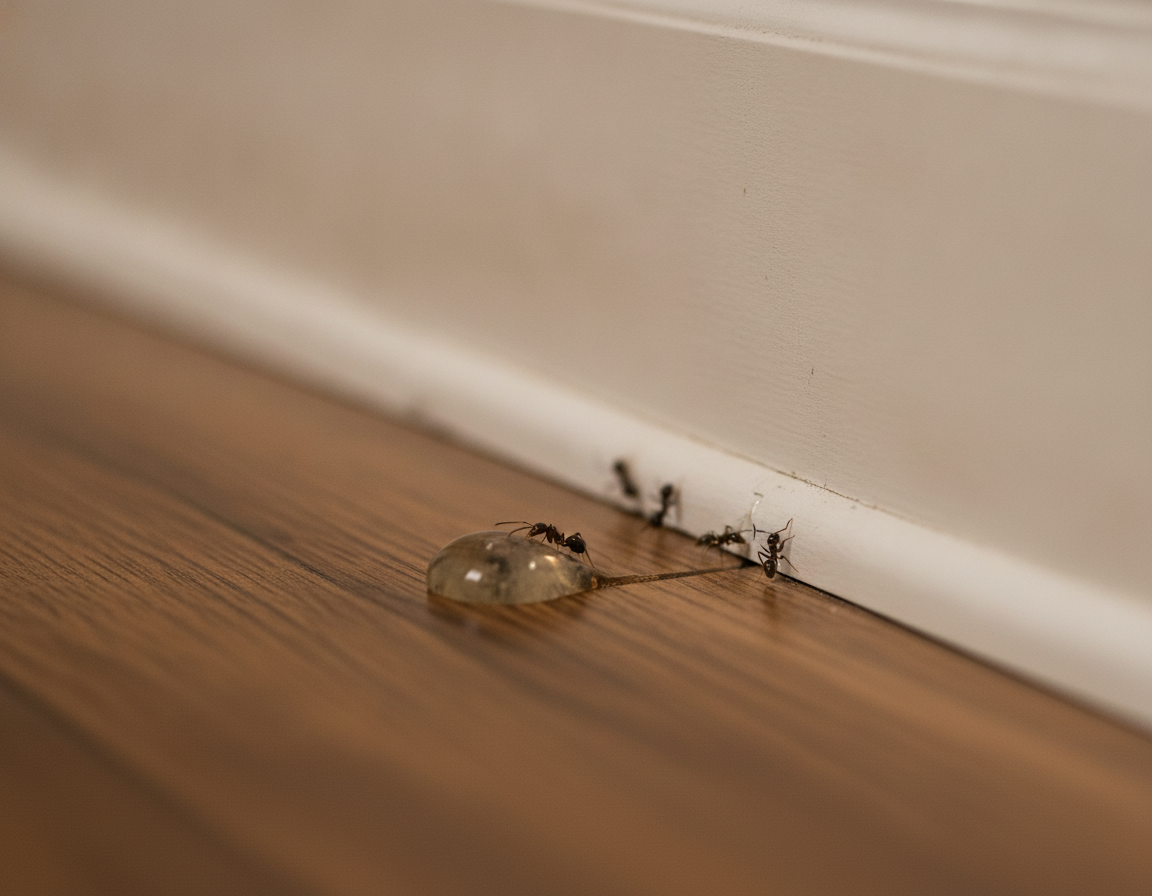
Self-contained answer: Pro ant control works by feeding the colony (not chasing it), using non-repellents to spread active ingredients, and physically blocking re-entry. Documentation and follow-up show the plan is working—not just that a product was applied.
Types and Methods: Choosing the Right Approach
The right ant control method depends on species and where the colony lives. Baits excel for foragers; non-repellents treat hidden routes; dusts and IGRs disrupt growth; exclusion blocks access. Combining two to three methods delivers durable, lower-maintenance results.
Below is a quick comparison of the most common approaches we use and when each shines. The goal is to choose the least intrusive set that still dismantles the colony and protects food areas and family rooms.
| Method | Best for | How it works | Pros | Limitations | Expected longevity |
|---|---|---|---|---|---|
| Gel/Granular Baits | Active trails, kitchen hotspots | Foragers carry food-grade actives to queens | Targets colony, discreet, kitchen-friendly | Slow-acting; requires sanitation support | Weeks to months with good prevention |
| Non-Repellent Sprays | Wall voids, structural junctions | Undetected transfer spreads active ingredient | Excellent spread; minimal disruption | Professional-only; label adherence critical | Months with periodic inspection |
| Insect Growth Regulators (IGRs) | Population suppression | Disrupts molting or reproduction | Reduces rebound risk | Slower impact; used with baits | Months when paired properly |
| Dusts (voids) | Dry voids, outlets, sill plates | Abrasive or desiccant action in voids | Long residual in protected spaces | Placement skill required | Months to seasons |
| Exclusion | Entry gaps, utility lines | Seal, weatherstrip, and block access | Prevents re-entry; safety-first | Needs maintenance after weather cycles | Seasonal to multi-year |
Self-contained answer: Matching methods to the species and structure is how you keep ant control cost predictable. Baits plus non-repellents eliminate the source; exclusion makes sure the problem doesn’t resume next month.
Best Practices to Reduce Total Cost
Lower your ant control cost by pairing professional baiting with strong sanitation and exclusion. Store sugars and oils sealed, fix moisture issues, trim vegetation, and block utility penetrations. Early calls and consistent monitoring reduce repeat visits.
Here are the practices we recommend most for Oshawa homeowners based on repeatable field wins. None require special tools—only consistency and a clear plan.
Sanitation and food-source control
- Wipe counters nightly; pay attention to the 2–3 corners where crumbs accumulate.
- Seal sweets, pet food, and cooking oils; store fruit in the fridge where practical.
- Empty kitchen and bathroom trash frequently; bag and close tightly.
Moisture and access
- Repair under-sink drips and slow leaks; dry basements with dehumidifiers in humid months.
- Install door sweeps and weatherstripping; screen utility vents and soffit gaps.
- Keep mulch a few inches from the foundation; trim shrubs back to reduce bridging trails.
Monitoring and follow-up
- Use small interceptors under appliances to track trails. Replace every few weeks during peak season.
- Photograph hot spots before and after service; look for a steady decline over 1–3 weeks.
- Schedule verification checks so that any rebound is caught early and addressed quickly.
Local considerations for Oshawa
- High-traffic shopping areas like Whitby Mall increase food waste around exteriors; keep lids tight and exterior bins clean to avoid foraging pressure.
- After spring rains and park picnics near Prince of Wales Park, expect new trails toward kitchens; reinforce bait placements and wipe spills the same day.
- Seasonal humidity spikes can drive ants into basements; run dehumidifiers consistently and recheck utility penetrations after storms.
Self-contained answer: The best path to a lower ant control cost is cooperation between your home routines and a professional IPM plan. When food cues, moisture, and entry points are managed, professional treatments work faster and last longer.
Tools and Resources (Homeowner vs. Pro)
Homeowners can reduce activity with sanitation, basic monitors, and non-chemical exclusion. Professionals add species ID, pro-grade baits, non-repellents, dusts, and structured follow-ups. Combining both sides delivers faster elimination and fewer interruptions.
Think of this as a toolkit you build over time. You’ll handle routine prevention; we’ll handle species-specific elimination and verification.
Homeowner toolkit
- Sealable containers for sweets, grains, and pet food; microfiber towels for nightly wipe-downs.
- Small interceptors and sticky monitors for under-sink areas and behind appliances.
- Weatherstripping, silicone/caulk for gaps, and door sweeps for exterior doors.
Professional toolkit
- Species identification guides and field microscopes for accurate targeting.
- Multiple bait matrices (sweet, protein, oil) and non-repellent formulations matched to the structure.
- Void-dusting equipment, IGRs, and documentation templates for follow-up cadence.
To understand product stewardship and safety considerations at a high level, see this third‑party pesticide testing lab overview. For industry presence context, review a pest control case portfolio and a national brand listing. These are general references; your home’s plan should be customized by a licensed pro.
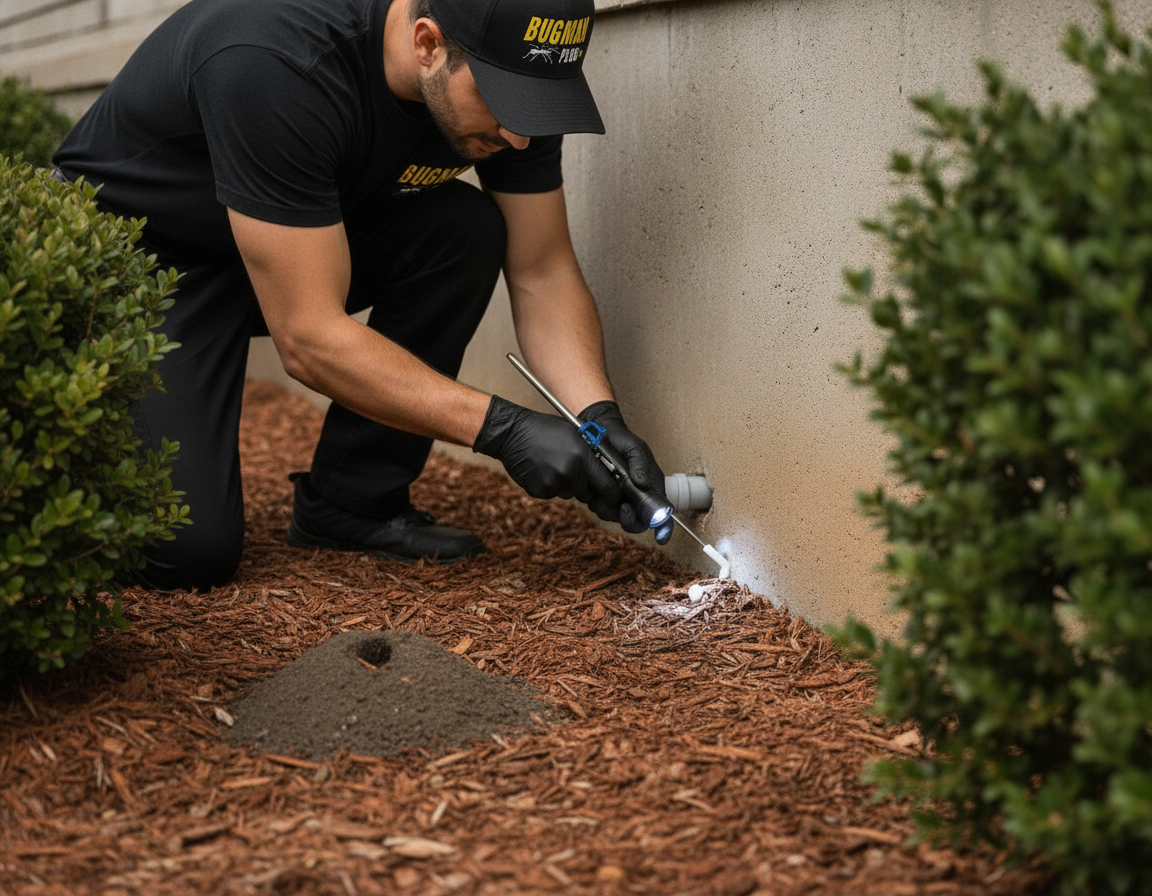
Self-contained answer: Use homeowner tools to prevent and track, and use professional tools to eliminate and verify. That combined stack shortens the road to a clean kitchen and a stable, predictable service plan.
Pricing Without Numbers: How Pros Estimate Responsibly
Responsible estimates weigh species, severity, access, and prevention work. Pros scope inspection time, bait and non-repellent needs, exclusion tasks, and follow-ups. The goal is alignment on outcomes and warranty terms—not a race to the lowest quick spray.
Even though we won’t quote prices here, we can explain how estimates are built so you can compare bids apples-to-apples. When you request a quote from our Bugman Plus team, we map the home and explain which actions are included, how we’ll verify results, and what the interior treatment warranty covers.
What your estimate should include
- Inspection detail: Notes on trails, entry points, conducive conditions, and suspected nest zones.
- Method plan: Baits, non-repellents, void dust, IGRs, and exclusion steps relevant to your home.
- Follow-up cadence: Typical 7–14 day checks until activity is resolved.
- Warranty clarity: What re-service covers and how to reach support if trails return inside the coverage window.
Self-contained answer: A high-quality estimate defines the work, timeline, and warranty so you can judge value. It should make clear how the plan reduces repeat visits—the single biggest driver of long-term ant control cost.
Case Studies: Oshawa Homes and Results
Real Oshawa examples show how inspection-led IPM stabilizes homes fast. In kitchens, precise baits end sugar trails; in basements, non-repellents and exclusion close utility gaps. Follow-ups confirm colony collapse and keep future activity low.
We’ve condensed a few anonymized scenarios from our service routes. Each highlights how choices early in the process influence total effort.
Kitchen sugar trail in a semi-detached
- Issue: Odorous house ants trailing to a fruit bowl; activity at backsplash seams.
- Plan: Sweet-matrix gels placed along foraging lines; quick moisture fix under sink; food sealed.
- Result: Visible decline within one week; no activity at 14-day verification; prevention tips adopted.
Basement utility penetration near a park
- Issue: Pavement ants entering via a cable line; homeowners reported activity after weekend picnics near Prince of Wales Park.
- Plan: Non-repellent perimeter treatment; exclusion around utility entry; monitors placed by stairs.
- Result: Trails dropped to zero by second check; exterior mulch pulled back to improve airflow and reduce bridging.
Townhome cluster near shopping traffic
- Issue: Recurrent kitchen trails in a townhome block near Whitby Mall; exterior bins showed food residue.
- Plan: Combined baiting and exterior exclusion with scheduled bin cleaning guidance for the HOA.
- Result: Measurable, steady decline across 3 adjacent units; no re-service needed in the next seasonal window.
Self-contained answer: These Oshawa cases all improved rapidly once plans paired baits with non-repellents and basic exclusion. The colony is the target, not just the visible trail—and light sanitation changes protect the results.
FAQ: Ant Control Cost, Process, and Prevention
Homeowners ask how to prepare, how long results take, and what keeps ants from returning. Preparation focuses on access and sanitation; results often build over 1–3 weeks; durable prevention combines exclusion, food control, and scheduled checks.
How should I prepare my home before professional ant service?
Clear access to baseboards, sinks, and utility areas. Wipe counters and store sweets, oils, and pet food in sealed containers. Note where you’ve seen trails or winged ants and share photos if possible. This helps your technician place targeted baits and document hot spots.
How long until ant activity stops after treatment?
Many homes see a clear decline in 7–10 days, with sustained relief by the second follow-up. Baits need time to circulate to queens. Non-repellents and exclusion accelerate stability. Your technician will verify with monitors and photos so results aren’t just “looks better,” they’re measured.
Can I do ant control myself instead of hiring a pro?
You can reduce pressure with sanitation, sealed storage, and exterior exclusion. The challenge is species ID and reaching the colony. Pros use matched bait matrices, non-repellents, and void tools that homeowners don’t typically keep on hand, which is why pro IPM tends to be more durable.
What’s included in a professional ant control plan?
A thorough plan includes inspection, targeted baits, non-repellent applications for hidden routes, exclusion of entry gaps, monitors to track progress, and scheduled follow-ups. You should also receive documentation of findings and prevention tips tailored to your home.
How do warranties work with interior ant treatments?
Warranties cover re-service if ant activity returns within the coverage window. At Bugman Plus, interior treatment programs are backed by a 3‑month warranty. If trails reappear during that period, we return to address them and verify resolution.
Key Takeaways
To keep ant control cost predictable, pair professional IPM with daily sanitation and exclusion. Early calls, documented follow-ups, and a real warranty stabilize results. The colony is the target—choose methods that reach queens and block re-entry.
- “Feed the colony” with matched baits; don’t just chase foragers.
- Use non-repellents for hidden routes; confirm with monitors.
- Seal utility penetrations and maintain weatherstripping.
- Act early in spring and late summer to prevent satellite colonies.
- Choose a provider that documents findings and backs work with a warranty.
Conclusion & Next Steps
Ant control cost is best managed through inspection-led IPM, targeted treatments, and exclusion. You’ll spend less time fighting re-infestations when you combine home routines with a documented, warranty-backed plan from a qualified local team.
Bugman Plus is an Oshawa-based provider focused on “winning the war on pests” with advanced tools, careful application, and a 3‑month warranty on interior treatment programs. If you’re seeing trails in your kitchen or basement, let’s design a plan that fixes today’s issue and keeps it from boomeranging.
Ready to stabilize your home? Explore our pest control services, get a quote, or contact our team. Want to know more about our approach? Learn about Bugman Plus or start at the homepage. We’re local to Oshawa and back our interior ant programs with a real warranty.


